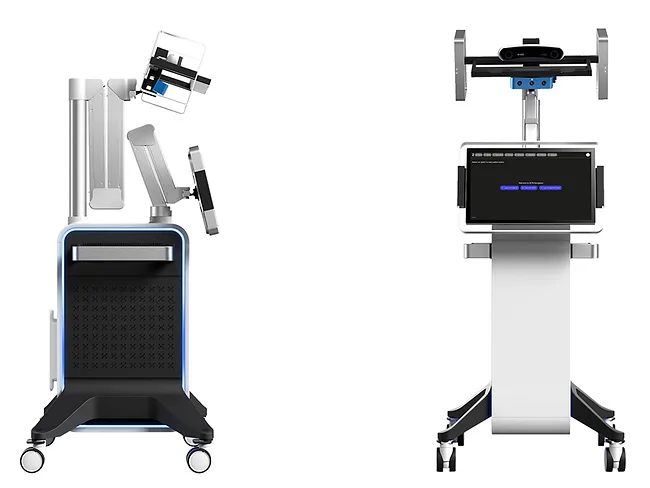
Zeta Surgical Inc. received U.S. FDA 510(k) clearance for its transcranial magnetic stimulation (TMS) robotic system which is designed to support precise and repeatable TMS therapy for patients with treatment-resistant depression.
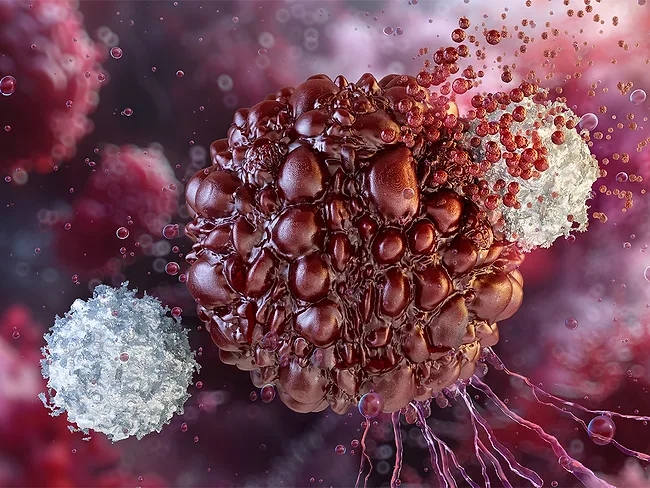
SL Science Holding Ltd. has submitted an orphan drug designation request to the FDA for its γδ T-cell therapy product, Vδ2+ γδ T cells, for the treatment of glioblastoma multiforme.
The U.S. SEC reached a settlement with Weiguo Zhai resolving insider trading charges related to Astrazeneca plc’s $1.1 billion acquisition of Icosavax Inc. in 2023.
Alongside its duties in evaluating safety and effectiveness of drugs and their postmarketing monitoring, the U.K. Medicines and Healthcare products Agency (MHRA) has now been handed a further brief to support economic growth.
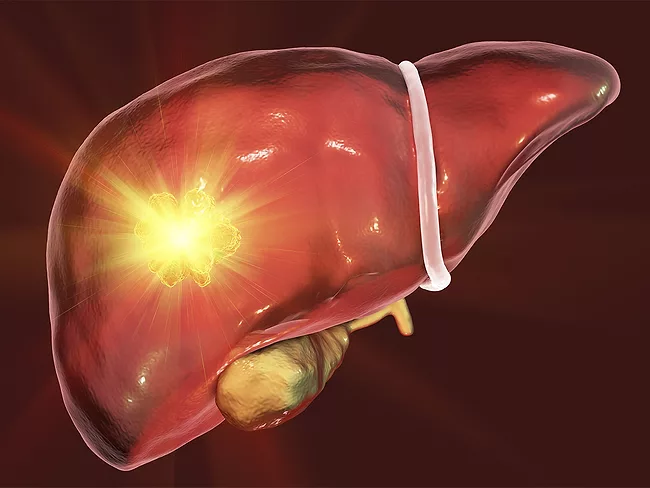
The U.S. FDA declined to approve, for a third time, an investigational liver cancer drug regimen comprising HLB Co. Ltd.’s rivoceranib and Jiangsu Hengrui Pharmaceutical Co. Ltd.’s camrelizumab, reportedly citing issues from a drug manufacturing facility inspection.
Fate Therapeutics Inc. has obtained IND clearance from the FDA for FT-839, the company’s next-generation, off-the-shelf CAR T-cell product candidate targeting CD19 and CD38 for autoimmune diseases.
What appears to be a routine item on a routine list of the U.S. Department of Health and Human Services’ (HHS) proposed rulemakings for the next fiscal year is being seen as anything but routine, given HHS Secretary Robert Kennedy’s stance on vaccines and several commonly used drugs.
Urogen Pharma Ltd. has obtained IND approval from the FDA for UGN-501, a next-generation investigational oncolytic virus. A phase I study evaluating intravesical administration of UGN-501 in patients with non-muscle invasive bladder cancer (NMIBC) is expected to begin in the fourth quarter.
Of all the U.S. SEC’s recent proposed rules to make going, and staying, public more attractive, perhaps the most beneficial for biopharma and med-tech startups is the amendment that would give public companies the flexibility to file semi-annual rather than quarterly reports, Ben Bradford, head of external affairs at Massbio, told BioWorld.
 RSS
RSS