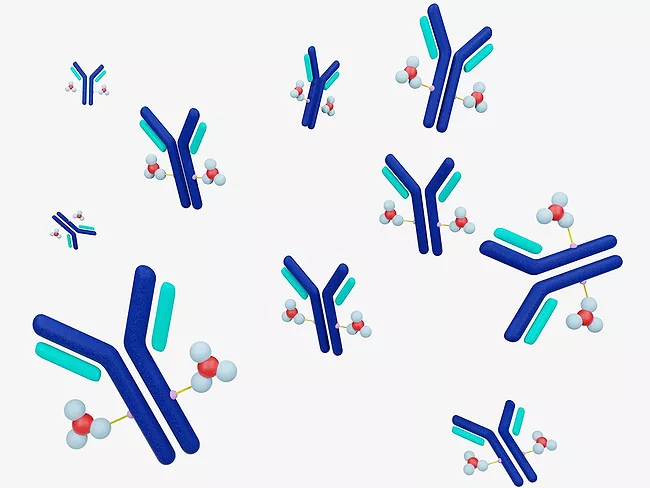
Mabwell (Shanghai) Bioscience Co. Ltd.’s has announced IND acceptance by China’s National Medical Products Administration (NMPA) for the company’s LILRB4/CD3 T-cell engager bispecific antibody 6MW5311. The drug candidate is being developed for hematologic malignancies, specifically acute myeloid leukemia (AML), chronic myelomonocytic leukemia and multiple myeloma.
Despite key vacancies, ongoing staffing challenges and policy issues at the U.S. CDC, FDA and NIH, some of the regulatory churn that roiled those agencies in the first year of the second Trump administration is settling a bit, at least in terms of the number of executive orders (EOs) coming out of the Oval Office.
A pricing standoff between Pfizer Inc. and the Australian government has left women with advanced breast cancer facing tens of thousands of dollars in out-of-pocket costs, underscoring a growing global trend in which access to life-extending drugs is increasingly being shaped by pricing negotiations rather than clinical merit.
Alivecor Inc. has secured CE marking for its Kardia 12L electrocardiogram (ECG) system, which is powered by its KAI 12L AI technology and can detect life-threatening cardiac conditions. Kardia 12L is a portable, AI-guided, 12-lead ECG solution that delivers measurements and interpretations similar to standard 12-lead ECG solutions, right at the point of care. The company said the simplified design will enable faster acquisition of complete ECG data while leading to better patient outcomes.
The U.S. FDA’s latest draft guidance on gene therapies focuses on nonclinical studies using next-generation sequencing-based methods and bioinformatics to evaluate safety risks associated with off-target editing and loss of genome integrity in human gene-edited products.
Mabwell (Shanghai) Bioscience Co. Ltd. has announced that SST-001 (18F-FD4), an α-synuclein-targeted PET tracer developed by Mabwell’s incubated company Synusight Biotech, has received clinical trial clearance from China’s National Medical Products Administration (NMPA). The planned phase I trial will enroll healthy volunteers, patients with multiple system atrophy (MSA), and patients with Parkinson’s disease.
Glyconex Inc. has received approval from Japan’s Pharmaceuticals and Medical Devices Agency (PMDA) for the initiation of a first-in-human phase I trial of GNX-1021, the company’s lead antibody-drug conjugate (ADC) candidate, in patients with advanced gastrointestinal (GI) cancers.
The U.S. FDA’s latest draft guidance on gene therapies focuses on nonclinical studies using next-generation sequencing-based methods and bioinformatics to evaluate safety risks associated with off-target editing and loss of genome integrity in human gene-edited products.
Everest Medicines Ltd. has agreed to acquire a Singapore-based commercial unit of Hasten Biopharmaceuticals (Asia) Ltd. for $150 million up front, gaining market authorization holder rights to 14 marketed products originally developed by Takeda Pharmaceutical Co. Ltd.
If a recent warning letter is anything to go by, the U.S. FDA could be using the 2013 Drug Supply Chain Security Act as another enforcement tool to shut down unauthorized suppliers by clamping down on the dispensers that purchase their unapproved drug products.
 RSS
RSS