With the U.S. FDA’s approval of GSK plc’s ileal bile acid transporter (IBAT) inhibitor, Lynavoy (linerixibat), patients with primary biliary cholangitis no longer need off-label treatments for a debilitating internal itch symptom called cholestatic pruritus.
In what the U.S. FDA has dubbed a milestone move toward fewer animal studies in drug development, the agency published a draft guidance to help sponsors validate new approach methodologies that can bring safe, effective drugs to market sooner based on human-centric data rather than starting off with nonclinical animal pharmacology and toxicology data.
Ovid Therapeutics Inc. has announced plans to initiate a phase I study of OV-4071, an oral, direct activator of potassium-chloride cotransporter 2 (KCC2), having received Australian Human Research Ethics Committee (HREC) approval and clinical trial notification (CTN) acknowledgement from Australia’s TGA.
Even though case law has established that 340B-covered providers can’t sue drug companies for overcharging on the steeply discounted drugs, the Adventist Health System of West tried a new door into court – as a whistleblower under the False Claims Act.
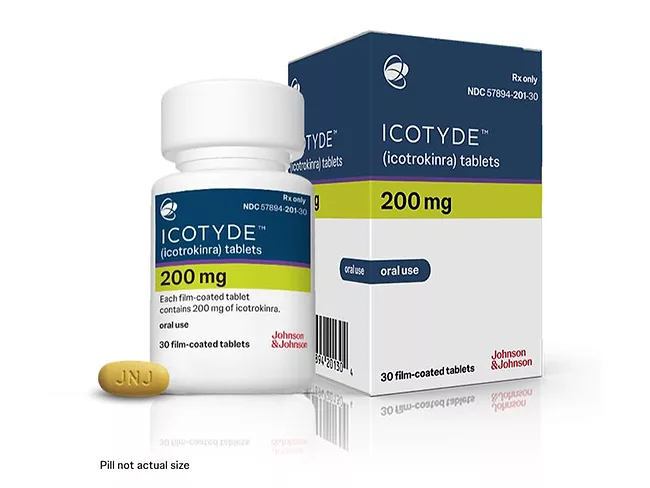
Awaiting the potential U.S. FDA approval of a second product this year, Protagonist Therapeutics Inc. with partner Johnson & Johnson won the go-ahead for oral peptide Icotyde (icotrokinra), an IL-23 receptor antagonist, to treat moderate to severe plaque psoriasis in adults and pediatric patients 12 and older who weigh at least 40 kg and who are candidates for systemic therapy or phototherapy.
Innorna Co. Ltd. has obtained IND clearance from the FDA for IN-026, enabling the company to initiate a phase I study of this mRNA-based therapy for refractory gout.
It’s déjà vu all over again for Aldeyra Therapeutics Inc., which disclosed its third complete response letter (CRL) for dry eye disease candidate reproxalap, with the U.S. FDA citing a lack of substantial and consistent evidence of efficacy.
Roche Holding AG received CE Mark approval for its Elecsys Apolipoprotein E4 (ApoE4) biomarker test, an in vitro diagnostic immunoassay to identify the ApoE4 gene variant from a blood sample. With APOE4 considered as the strongest genetic risk factor for developing Alzheimer’s disease, the test provides a fast, reliable way to determine whether an individual carries the genetic variant without the need for DNA‑based genotyping.
In one fell swoop March 16, a U.S. federal judge stayed the CDC’s January memo revising the childhood vaccine schedule and the Advisory Committee on Immunization Practices (ACIP) as reconstituted by Health and Human Services Secretary Robert Kennedy, along with everything that committee has done since early June.
Qyuns Therapeutics Co. Ltd. has moved closer to its first commercial product after China’s National Medical Products Administration (NMPA) accepted its NDA for IL-17 antibody crusekitug (QX-002N) for treating ankylosing spondylitis (AS), a chronic inflammatory disease that affects the spine and sacroiliac joints.
 RSS
RSS






-biomarker-test.webp?height=488&t=1773783523&width=650 "Elecsys Apolipoprotein E4 (ApoE4) biomarker test")