Taiwan plans to invest NT$24 billion (US$752 million) over four years to bolster national biosecurity, expand domestic pharmaceutical production and safeguard against global supply chain volatility.
The regulatory clouds that have been darkening the U.S. FDA landscape of late for Uniqure NV’s gene therapy AMT-130 in Huntington’s disease may be parting a bit with the announced departure of Vinay Prasad as director of the agency’s CBER at the end of April.
Harbour Biomed Ltd. and Sichuan Kelun-Biotech Biopharmaceutical Co. Ltd. have announced IND approval by China’s National Medical Products Administration (NMPA) for HBM-7575 (SKB-575) for the treatment of atopic dermatitis.
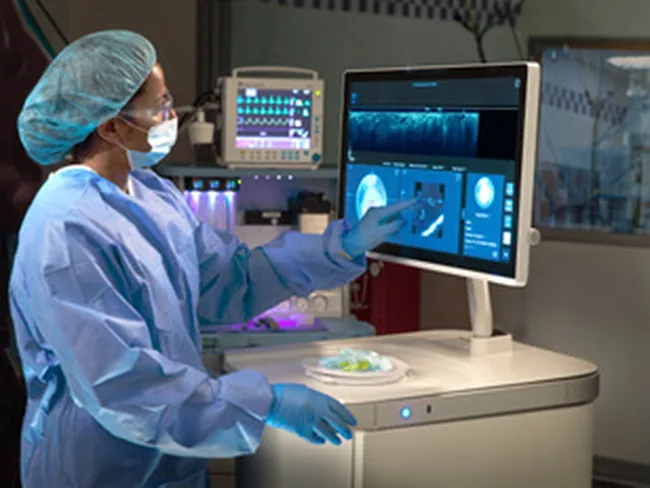
Perimeter Medical Imaging AI Inc. secured FDA premarket approval for Claire, its AI-powered imaging device which detects difficult-to-see cancer during breast-conserving surgery. Claire combines AI with wide-field optical coherence tomography to provide surgeons with high-resolution, real-time views of excised tumor margins, to reduce the need for re-operations.
Japan has approved the world’s first therapies derived from induced pluripotent stem cells (iPSCs), marking a major milestone for regenerative medicine and, potentially, a turning point in treating Parkinson’s disease.
The K-health MIRAE Initiative, also known as Korean ARPA-H, announced plans to allocate about ₩162 billion (US$110 million) in nine new projects over the next five years, with a focus on strengthening national health security.
China Medical System Holdings Ltd. has received clinical trial approval from China’s National Medical Products Administration (NMPA) for CMS-D008 injection for overweight or obese individuals.
Great Novel Therapeutics Biotech & Medicals Corp.’s epigenetic immunoactivator, GNTbm-38, has received IND clearance from the FDA, enabling initiation of a phase I trial in the U.S.
Kestrel Therapeutics Inc. has obtained IND approval from the FDA for KST-6051, an oral, small-molecule pan-KRAS inhibitor being developed for the treatment of KRAS-driven cancers.
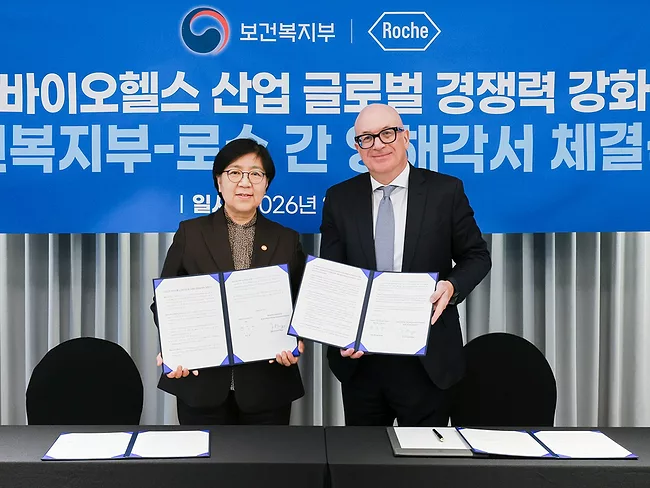
Roche Holding AG pledged to invest ₩710 billion (US$484.6 million) in South Korea over the next five years, positioning the country as a major global hub for clinical trials. The near $500 million agreement inked with the Korean government will bring Roche’s clinical trials for common or incurable diseases and innovative biopharmaceutical products to the country.
 RSS
RSS