China’s National Medical Products Administration has accepted for review Jiuyuan Genetic Biopharmaceutical Co. Ltd.’s drug application for Jikeqin, a biosimilar product to Novo Nordisk A/S’s Wegovy (semaglutide) for obesity.
Vanda Pharmaceuticals Inc. will get to take its argument for twice-rejected jet lag disorder drug Hetlioz (tasimelteon) before the U.S. FDA in a formal evidentiary public hearing, a rare move by the agency that the firm claims underscores the “gravity of the legal and scientific issues” it has raised.
A lot of distance lies between talking regulatory flexibility and actually being flexible. That message was driven home again after Uniqure NV disclosed in its latest earnings report March 2 that the U.S. FDA wants a sham-controlled study before it will consider approval of the company’s gene therapy AMT-130 in Huntington’s, a rare disease currently affecting about 41,000 people in the U.S.
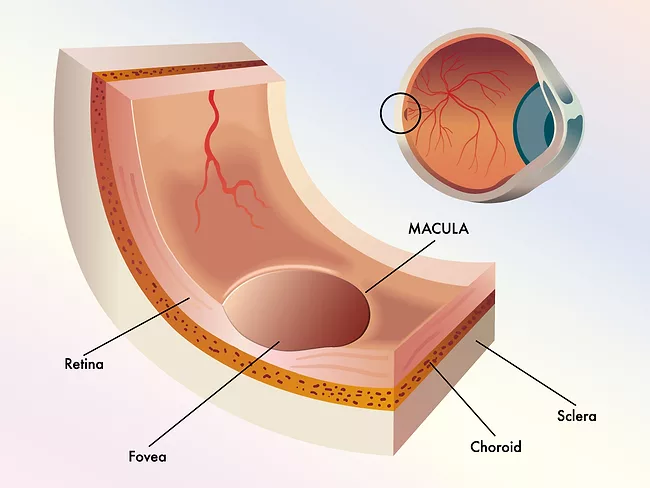
Sanaregen Vision Therapeutics Inc. has received FDA clearance to conduct a phase I/II trial of SVT-001, an investigational cell therapy for individuals with familial drusen.
The U.S. FDA clearance Feb. 20 of East Windsor, N.J.-based Acrotech Biopharma Inc.’s PDE4 inhibitor Adquey (difamilast ointment 1%) for mild to moderate atopic dermatitis brought renewed focus on the mechanism, where other drugs are already approved and more are stocking developers’ pipelines across indications.
The U.S. CDC’s Advisory Committee on Immunization Practices (ACIP) has two new members, bringing its total membership to 15. As he has done since dismissing the entire ACIP panel last June, Health and Human Services Secretary Robert Kennedy named the new members, Angelina Farella and Sean Downing, barely two weeks before the next ACIP meeting, March 18-19.
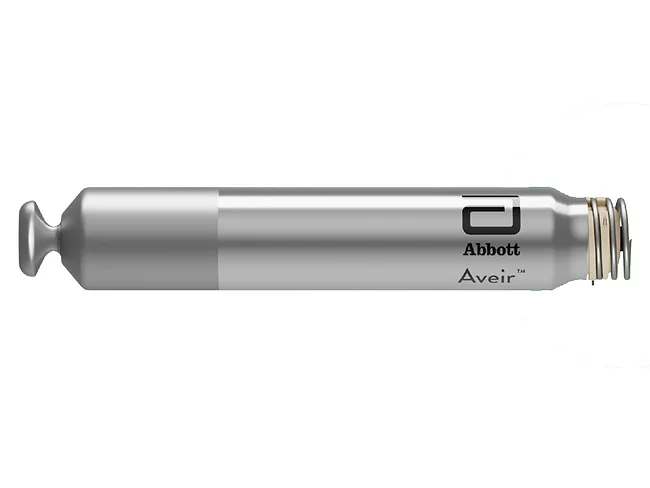
The U.K.’s National Institute for Health and Care Excellence (NICE) recommendation that leadless cardiac pacemakers be used as the standard of care for people with slow heart rhythms (bradyarrhythmias) is a boon for more than 2 million individuals living with the condition. The use of the technology will transform patients’ quality of life, reduce rates of infections and lower costs for the health care system.
The U.S. FDA’s expectations that its new default position of basing marketing authorization of novel drugs on one adequate, well-controlled trial may be overstated. In explaining the policy in a recent article in TheNew England Journal of Medicine, FDA Commissioner Marty Makary and CBER Director Vinay Prasad said they expect the initiative will create a “surge in drug development,” substantially reduce development costs and will speed drugs to market. While the initiative could reduce the time to the U.S. market, those expectations don’t take into consideration global norms and payer expectations.
Gubra A/S has announced the submission in Germany of a clinical trial application (CTA) for a first-in-human study of GUB-UCN2, the company’s lead asset for weight loss. The planned phase I/IIa trial will enroll both healthy volunteers and individuals with obesity, with and without related co-morbidities. GUB-UCN2 is expected to enter clinical development in the first half of this year.
U.S. scrutiny of China’s trade practices, especially in the biotech sector, continues to escalate as the U.S. International Trade Commission launches two factfinding investigations Congress mandated in the fiscal 2026 appropriations.

 RSS
RSS