Capsida Biotherapeutics Inc. has gained IND clearance from the FDA for CAP-002, its first-in-class, intravenously administered gene therapy for syntaxin-binding protein 1 developmental and epileptic encephalopathy (STXBP1-DEE). Dosing in the phase I/IIa SYNRGY trial will begin in the third quarter of this year.
After a week of hype, the most-favored nation (MFN) drug pricing executive order (EO) U.S. President Donald Trump signed May 12 has a lot of bark but little bite, as one analyst put it. Brian Abrahams, head of global healthcare research at RBC Capital Markets LLC, said the EO is unlikely to rattle the biopharma sector, even though it lacked the certainty to completely remove the MFN overhang. “We see reason for relief and, alongside improving FDA clarity and limited tariff risk, expect biopharma to be viewed as increasingly investable,” Abrahams said.
Device makers may find it difficult to avoid running afoul of the Anti-Kickback Statute, but a recent case in the U.S. Court of Appeals for the Seventh Circuit suggests that the statutory definition of a referral is not set in stone.
The U.K. National Institute for Health and Care Excellence (NICE) endorsed the use of the Orbit system by Mindtech Ltd. as a treatment for tics and Tourette syndrome.
The U.K. became the first country to reach agreement with the U.S. over threatened tariffs in an “economic prosperity deal” that leaves the pharma industry hanging on for the outcome of the U.S. section 232 probe into the implications of pharmaceutical imports for America’s national security.
The U.S. FDA typically announces its inspections at facilities located outside the U.S. – a courtesy not extended to domestic manufacturing sites. This is about to change per an agency press release quoting commissioner Marty Makary as describing the disparate treatment as a double standard.
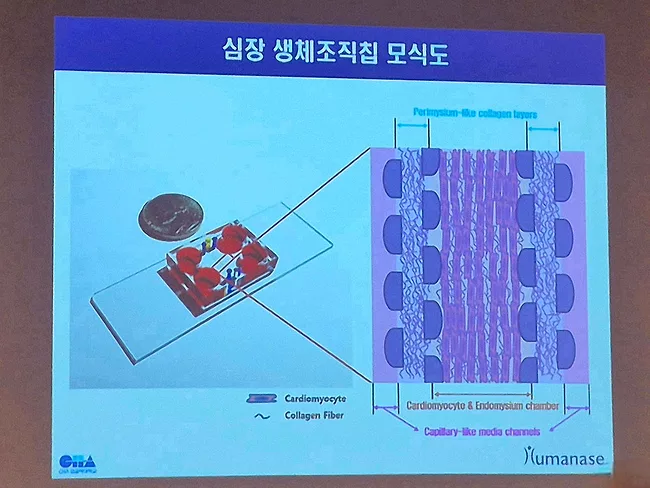
The U.S. FDA’s decision to phase out animal testing for INDs is driving a new market of alternative, nonanimal testing technologies like organoids and organs-on-a-chip, speakers at Bio Korea 2025 said.
Planting seed money and “wishing” is not enough to claim “irreparable harm” to secure a preliminary injunction or to establish the standing required to appeal a patent board decision, the U.S. Court of Appeals for the Federal Circuit ruled May 7 in two decisions involving Incyte Corp. and Sun Pharmaceutical Industries Ltd.
Verastem Oncology Inc. CEO Dan Paterson said he is “not expecting a huge bolus [of ovarian cancer patients] at the beginning” of Avmapki/Fakzynja’s launch, but momentum will build over time. “Based on our market research, this [drug] is the most likely thing for them to go on next,” he added, noting that patients tend to be on the drug for an average of 18 months.
Finding that a lower court went too far with an injunction that ignores the Hatch-Waxman safe harbor protections for drug development, the U.S. Court of Appeals for the Federal Circuit handed Avadel CNS Pharmaceuticals LLC a win of sorts.
 RSS
RSS