Sun Pharma Advanced Research Co. Ltd. has filed an IND application with the FDA for SBO-154 for the treatment of solid tumors. A global phase I study is planned in advanced solid tumors.
In a move that undoubtedly has the unspoken support of the medical device industry, the U.S. Environmental Protection Agency (EPA) reported it will revisit several rules governing emissions that affect a broad swath of industries.
Australia’s top universities are looking more to Asia for research collaborations following threats from the Trump administration to stop funding research at institutions that don’t comply with U.S. narratives.
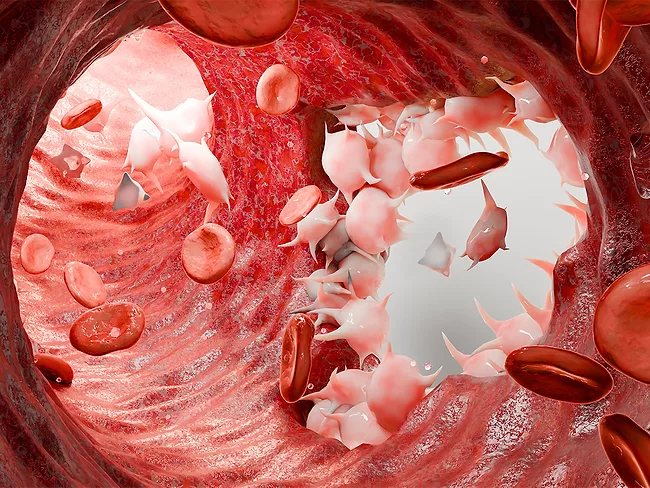
Sanofi SA gained U.S. FDA approval for fitusiran as a first-in-class siRNA therapy for hemophilia. Branded Qfitlia, the antithrombin-lowering therapy is indicated for use as a prophylactic treatment to prevent or reduce bleeding episodes in people with hemophilia A or B, with or without inhibitors, and joins the small but growing group of non-factor therapy options, with the advantage of a broad label and a convenient dosing regimen.
Milestone Pharmaceuticals Inc.’s heart rhythm-restoring calcium channel blocker for paroxysmal supraventricular tachycardia (PSVT) has yet another obstacle in its way.
The EMA has rejected the Alzheimer’s disease therapy Kisunla (donanemab) from Eli Lilly and Co., saying the benefits of the anti-amyloid antibody do not outweigh the risks of edema and hemorrhage in the brain, known as amyloid-related imaging abnormalities (ARIA).
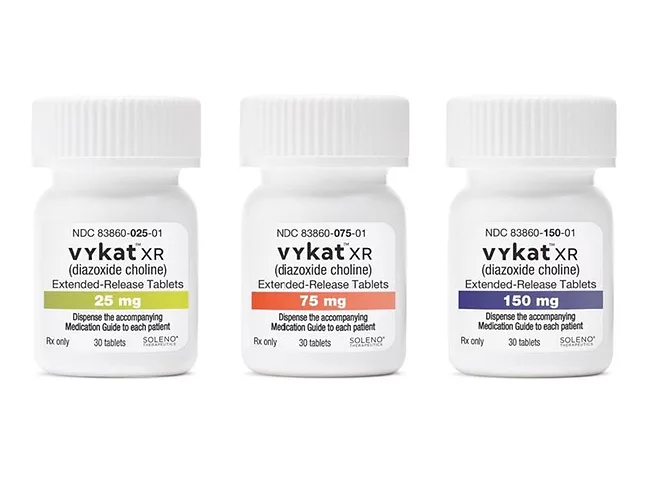
Becoming the first treatment for rare genetic disorder Prader-Willi syndrome, breakthrough therapy drug DCCR (diazoxide choline) gained U.S. FDA approval as Vykat XR the evening before its March 27 PDUFA date, sending shares of developer Soleno Therapeutics Inc. up 38%.
Abbott Laboratories snagged a CE mark for its Volt pulsed field ablation catheter for atrial fibrillation several months earlier than the mid-year approval expected. The Abbott Park, Ill.-based company has begun Volt’s commercial launch with the physicians who participated in its European clinical trials and plans to expand to other users on the continent in the second half of 2025.
The U.S. Department of Health and Human Services HHS reported a plan to reduce staffing by 10,000 in an immediate reduction, which when paired with retirement initiatives will drop staffing by as many as 20,000.
The U.S. FDA gave the green light to Nanosonics Ltd.’s Coris system via de novo clearance for reducing infection risk by delivering improved cleaning outcomes for flexible endoscopes, especially the complex channels of endoscopes that are prone to biofilm build up.
 RSS
RSS