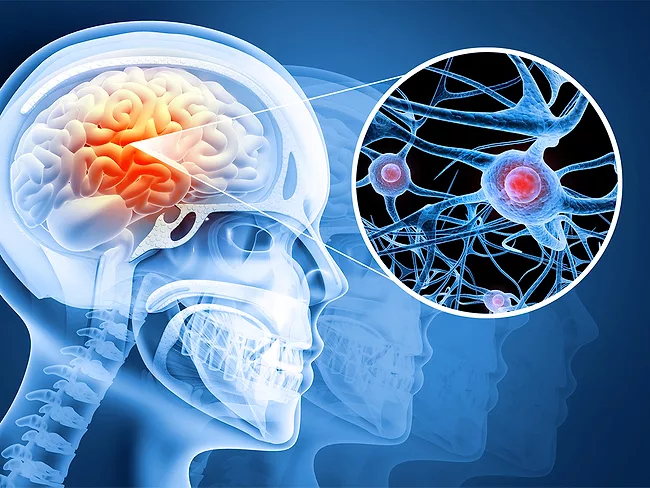
For individuals with major depressive disorder (MDD) that does not respond to pharmacotherapy, recent decisions by the U.S. FDA enabling at-home use of neuromodulation devices may provide a bright spot in dark days. Neurolief Ltd. received FDA premarket approval for Proliv Rx, a physician-directed, brain neuromodulation therapy indicated for use as an at-home adjunctive treatment for adults with MDD who failed to respond adequately to at least one previous antidepressant on Jan. 7. That decision follows the December 510(k) clearance for at-home use of the Flow brain-stimulation device by Flow Neuroscience AB as either a monotherapy or as an adjunctive treatment.
The U.K. Medicines and Health Care Products Regulatory Agency provided an update of its guidance for clinical investigations for medical devices and is offering a temporary waiver of the fees for registration of clinical studies to small manufacturers.
The COVID-19 pandemic amplified concerns over medical device shortages, prompting the U.S. FDA to develop guidance on the topic in November 2023. Australia’s Therapeutic Goods Administration is eyeing a guidance to address the very same problem, although the agency seems wary of whether to formally develop a guidance on device shortages.
The U.S. FDA has cleared Tessera Therapeutics Inc.’s IND application for TSRA-196, its lead in vivo gene editing therapy for α-1 antitrypsin deficiency (AATD). The Australian Human Research Ethics Committee (HREC) has also granted approval for the company to begin the phase I/II clinical study.
And another firm has reached a most-favored nation (MFN) pricing deal with the White House. Johnson & Johnson announced Jan. 8 a voluntary agreement with the Trump administration aimed at improving access and lowering prices for medications in the U.S., in exchange for exempting the pharma firm’s products from tariffs.
Generative AI has largely escaped the U.S. FDA’s regulatory purview up to now, but OpenAI seems poised to create a new source of regulatory angst for the agency. The company unveiled its ChatGPT Health Jan. 7, a large language model that when used professionally could land the company in the FDA’s regulatory crosshairs.
Beginning Jan. 1, 2026, China will apply provisional import tariff rates lower than the most-favored-nation rates on 935 items, the State Council announced. The move aims to boost collaboration between domestic and international sectors, and to leverage resources of both to expand the supply of high-quality goods.
Askbio Inc., a subsidiary of Bayer AG, has received IND clearance from the FDA for AB-1009, an AAV gene therapy being developed for the treatment of late-onset Pompe disease.
A2 Biotherapeutics Inc. has gained IND clearance from the FDA for A2B-543 for the treatment of germline heterozygous HLA-A*02 adults with recurrent unresectable, locally advanced or metastatic solid tumors.
 RSS
RSS