With more than five dozen generics already tentatively approved for 10 of the drugs selected for the next round of the Medicare Price Negotiation Program, the impact of the negotiations won’t be limited to just the brand drugs.
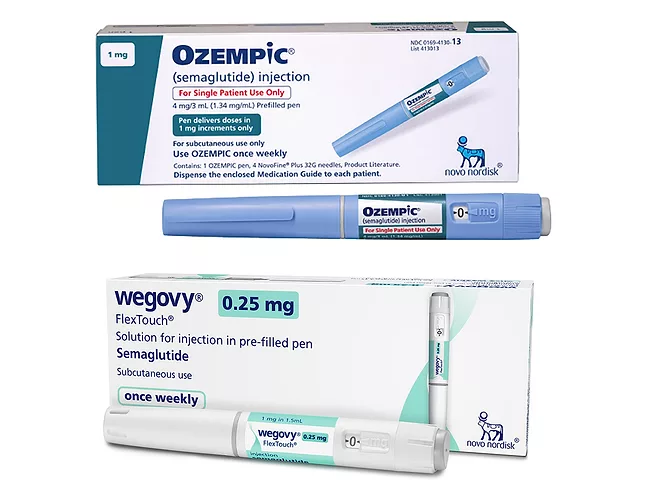
In the final days of the Biden administration, the U.S. Department of Health and Human Services’ Centers for Medicare and Medicaid Services (CMS) laid out the latest 15 drugs that are subject to negotiated prices, with Novo Nordisk A/S’ GLP-1 drug Ozempic for type 2 diabetes topping the list, bringing Rybelsus and Wegovy along for the ride because they share the same active ingredient, semaglutide.
It’s taken nearly a decade for the U.S. FDA to go from zero to 60 in approving biosimilars. Currently, 63 biosimilars have been approved in the U.S., thanks to 18 new approvals in 2024 that stretched the number of biologics referenced by biosimilars from 14 to 17. That’s an all-time record, CDER Director Patrizia Cavazzoni said, as she released the drug center’s annual approval report for 2024.
As investors and industry alike try to read the tea leaves of what the upcoming change in administrations holds for the U.S., speculation abounds about what Trump 2.0 will mean for the biopharma and med-tech spaces.
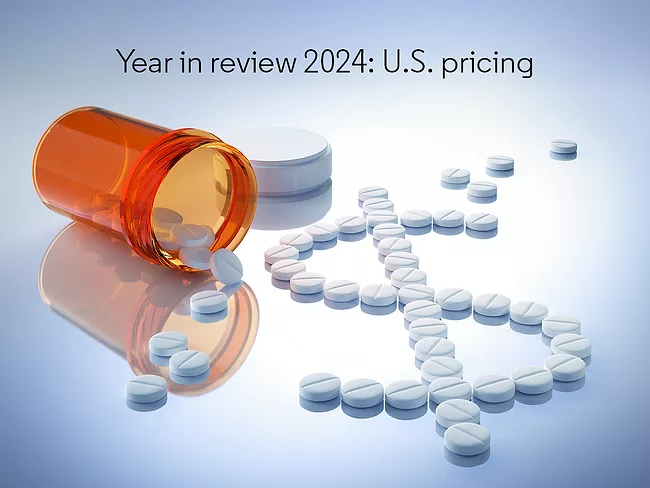
The first round of the U.S.’ Medicare negotiations accounted for a lot of digital ink and headlines in 2024. Next year is sure to bring more of the same as Medicare is to announce up to 15 Part D drugs to be negotiated in the second round by Feb. 1, even as several constitutional challenges to the process continue in federal appeals courts across the country.
The U.S. CMS has negotiated outcomes-based agreements with Bluebird Bio Inc. and Vertex Pharmaceuticals Inc. to make their costly sickle cell gene therapies the first treatments to become available through the voluntary Medicaid Cell and Gene Therapy Access Model.
When U.S. CMS Administrator Chiquita Brooks-LaSure announced Nov. 26 that the agency is “reinterpreting” the law in proposing a rule allowing Medicare and Medicaid to cover obesity drugs beginning in 2026, she called it a “historic step.” The rule, if finalized, could make obesity drugs like Novo Nordisk A/S’ Wegovy (semaglutide) and Eli Lilly and Co.’s Zepbound (tirzepatide) available to millions more Americans and further invigorate development of other obesity drugs. But given the lateness of the day in the Biden administration, the proposal may be more symbolic than historic.
If the maximum fair prices the U.S. CMS announced after the first round of drug price negotiations are any indication, advocates of the government price setting may be settling for short-term wins at the cost of long-term, more sustainable price reductions driven by competition.
Round 2 of the U.S. Medicare price negotiations officially began late Oct. 2 with CMS’ release of its final playbook and timeline, which build on lessons learned from the first round and comments on a draft negotiations guidance that was published in May. In response to the feedback CMS received, the second round will allow for more patient-focused sessions and offer increased engagement with the makers of the drugs selected for negotiations.
Given the demand for Ozempic and Wegovy and the revenue the GLP-1 drugs are generating for Novo Nordisk A/S in the U.S., a lot of generic companies are clamoring to cash in on the drugs’ current popularity. And there are some U.S. lawmakers more than willing to oblige.
 RSS
RSS