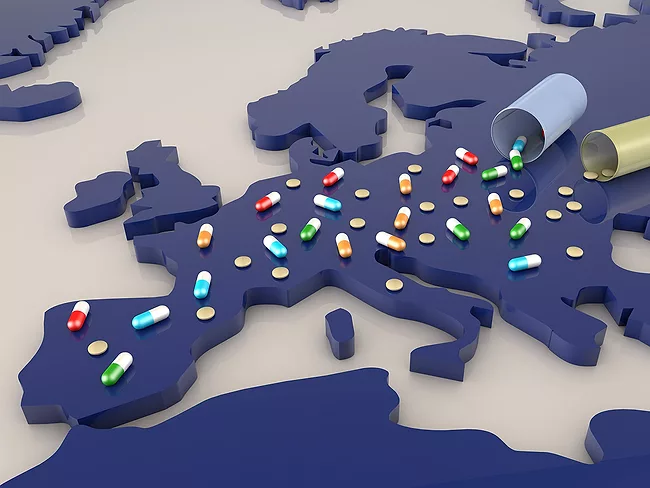
The EU’s still-new regulations for medical devices and in vitro diagnostics are often seen as drivers of current or impending shortages of these products, but Oliver Eikenberg of regulatory consultancy Pure Global is unimpressed by such claims. Eikenberg said much of the drag on the EU system is engendered by device makers that are failing to get their regulatory affairs in order – a problem neither Brussels nor the notified bodies can fix.
The European Medicines Agency advised its member state regulatory partners to closely track how they use LLMs in making regulatory decisions – a clear signal that some regulatory decisions may be inappropriately torqued by their well-known shortcomings.
The European Medicines Agency seems focused on pharmaceuticals to the near exclusion of medical technology, but the agency recently reported the launch of a pilot program for orphan medical devices.
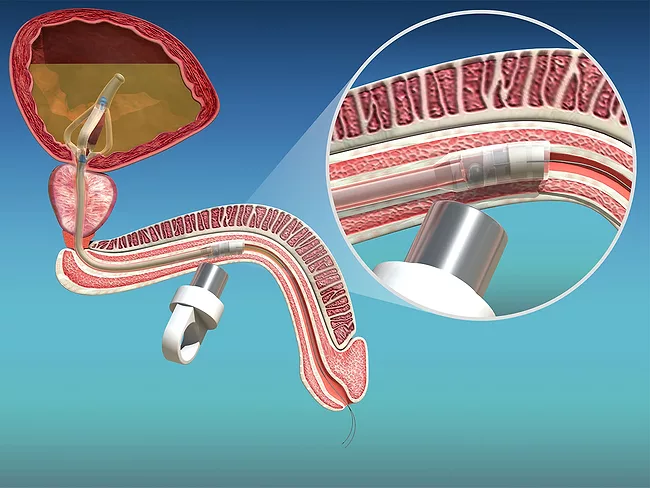
Ingenion Medical Ltd. received a CE mark for its Cymactive 2.0R urinary catheter, a device to treat men suffering from chronic, non-neurogenic urinary retention. The technology, designed to mimic natural urination, will “transform” the lives of men currently struggling with the challenges of using Foley-type catheters, Edward Cappabianca, CEO of Ingenion Medical told BioWorld.
Europe may still await its first disease-modifying Alzheimer’s drug after the EMA postponed its decision on Leqembi (lecanemab, Biogen Inc./Eisai Co. Ltd) on March 22, but leading members of the World Dementia Council were in an optimistic mood when they convened in London four days later.
Regulatory harmonization and reliance are the orders of the day at this year’s meeting of the International Medical Device Regulators Forum (IMDRF), but that does not mean individual regulators are waiting for IMDRF to act on their own imperatives.
Recognizing that academic sponsors and nonprofits are major contributors to the development of advanced therapy medical products (ATMPs) and diagnostic and delivery devices, the EMA is launching a pilot program to help them navigate the challenging regulatory requirements in the space.
With the Russian invasion of Ukraine continuing to disrupt thousands of clinical trials throughout the region, the European Commission, the EMA and the Heads of Medicines Agencies are developing advice to help sponsors mitigate the issues. For now, sponsors should apply the approaches and flexibilities used during the COVID-19 pandemic to the current situation, the groups said March 30.
Chinese company Seekin Inc. is preparing to launch its cancer detection technology in Europe after securing CE marking for the Seekincare pan-cancer test. The artificial intelligence, blood-based platform uses insights from public and private data to identify cancer DNA and protein signals in the blood. The test has been available in Chinese labs since 2018.
The European Council adopted a regulation Jan. 25 giving the EMA a stronger role in crisis preparedness and the management of drugs and medical devices during a crisis.
 RSS
RSS