As expected, the EMA is recommending withdrawal of the mpox indication for Siga Technologies Inc.’s tecovirimat, whilst maintaining its approval as a treatment for smallpox, cowpox and adverse reactions to vaccinia vaccines.
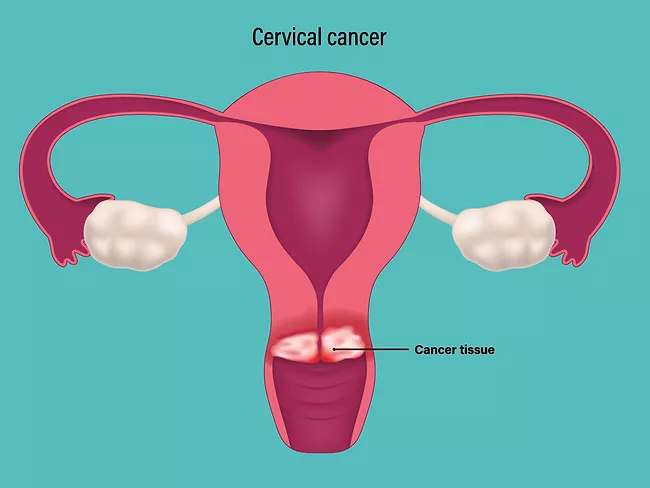
Cbio A/S has received European regulatory clearance to begin a first-in-human trial of novoleucel, the company’s next-generation T-cell therapy, in late-stage cervical cancer. The phase I/IIa study will enroll patients with persistent or recurrent cervical cancer at Karolinska University Hospital.
The EMA’s Committee for Medicinal Products for Human Use recommended approval of Moderna Inc.’s Mcombriax (mRNA-1083), positioning it to potentially become the world’s first combination vaccine for both seasonal influenza and COVID-19.
The pressure to replace animal testing with human-relevant assays that are more predictive of human-drug responses has now reached a tipping point, and there is a movement toward greater acceptance of these potentially more translatable tests.
The EMA has started a review of Amgen Inc.’s Tavneos (avacopan) after questions were raised about the integrity of the data in the Advocate study that the agency assessed when granting approval of the vasculitis treatment in January 2022.
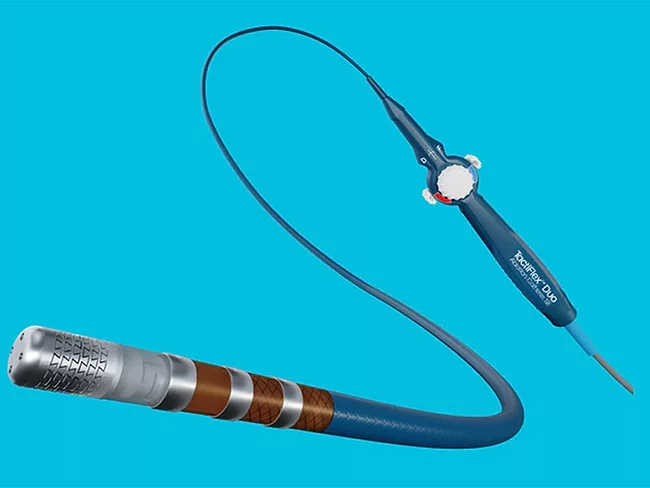
Abbott Laboratories received CE mark in Europe for the Tactiflex Duo ablation catheter to treat patients with atrial fibrillation. The first commercial cases using Tactiflex Duo, a dual energy device, were completed in the EU this week.
The EMA had its second busiest year ever in 2025, approving 104 drugs, of which 38 had a new active substance. Sixteen of these are for treating rare diseases, and four are advanced therapy medicinal products.
After welcoming the political agreement on the EU pharmaceutical legislation in December 2025, the EMA says it will be devoting 2026 to “intense preparation” for its implementation.
Daiichi Sankyo Inc. told BioWorld it voluntarily placed a partial hold in recruitment and enrollment in the phase III IDeate-Lung02 study of antibody-drug conjugate ifinatamab deruxtecan because of a higher than anticipated incidence of grade 5 interstitial lung disease events. The company did not say how many deaths there had been.
 RSS
RSS