Several South Korean biotech and biopharmaceutical companies completed IND submissions or won nods to start clinical trials in either the U.S. or South Korea, including SK Bioscience Co. Ltd., Genosco Inc., Pimedbio Inc., Sillajen Inc. and Ami Pharm Co. Ltd.
The vaccine dominoes continue to fall in the U.S. This time one fell on the FDA’s Vaccines and Related Biological Products Advisory Committee, as one of Health and Human Services Secretary Robert Kennedy’s most outspoken critics was removed from the panel nearly a year and a half before his term was to expire.
South Korea’s Ministry of Food and Drug Safety approved Moderna Inc.’s Spikevax LP.8.1 vaccine as an updated shot for COVID-19 targeting the LP.8.1 variant, according to Moderna Korea’s announcement Sept. 1. The regulatory clearance comes days after the U.S. FDA accepted, on Aug. 27, Moderna’s supplemental BLAs for two of its COVID-19 vaccines, Spikevax and Mnexspike.
The U.S. Department of Health and Human Services reported Aug. 27 that Susan Monarez no longer occupies the post of director for the CDC, a development that arose within hours of the FDA’s approval of two COVID-19 vaccines with historically restrictive labeled indications.
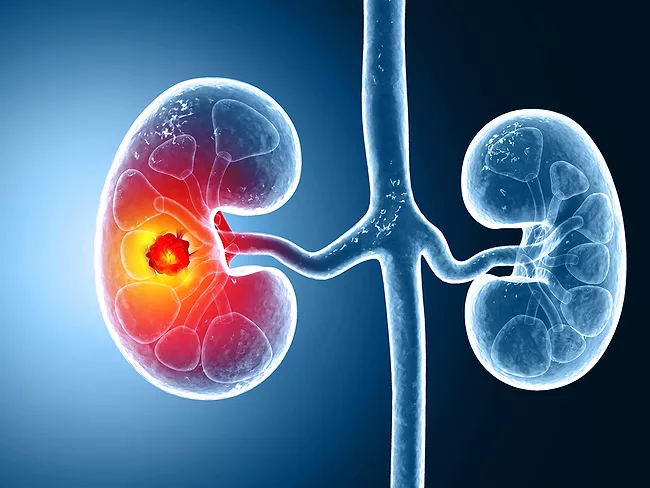
Telix Pharmaceuticals Ltd. received an FDA complete response letter (CRL) a day after the Aug. 27 PDUFA date for its BLA for radiopharmaceutical renal cancer imaging agent, Zircaix (TLX250-CDx, 89Zr-DFO-girentuximab).
After Outlook Therapeutics Inc. took receipt of another complete response letter (CRL), Wall Street focused on the odds that the U.S. FDA will demand a new study with ONS-5010, or Lytenava (bevacizumab-vikg) against wet age-related macular degeneration (AMD).
A few years after it was founded with the aim of taking RNA therapies to the next level, Arnatar Therapeutics Inc. emerged from stealth, disclosing a $52 million series A round raised in 2024 as well as U.S. FDA orphan and rare pediatric disease designations for ART-4, an antisense oligonucleotide candidate targeting the root cause of Alagille syndrome.
Worrisome new signals caused the U.S. FDA – which earlier this month OK’d revised labeling for Valneva SE’s chikungunya virus vaccine Ixchiq – to suspend the product’s license altogether. Regulators pointed to four added reports of serious adverse events consistent with chikungunya-like illness, and told Valneva, of Saint Herblain, France, that the company must stop U.S. shipping and sales of the product. Shares (NASDAQ:VALN) closed Aug. 25 at $9.43, down $2.21, or 19%.
The U.S. FDA approved 17 drugs in July, down from 23 in June, bringing the year-to-date total to 125. Through July, 2025 remains the third-highest count in BioWorld’s records, trailing 135 approvals in 2024 and 126 in 2020.
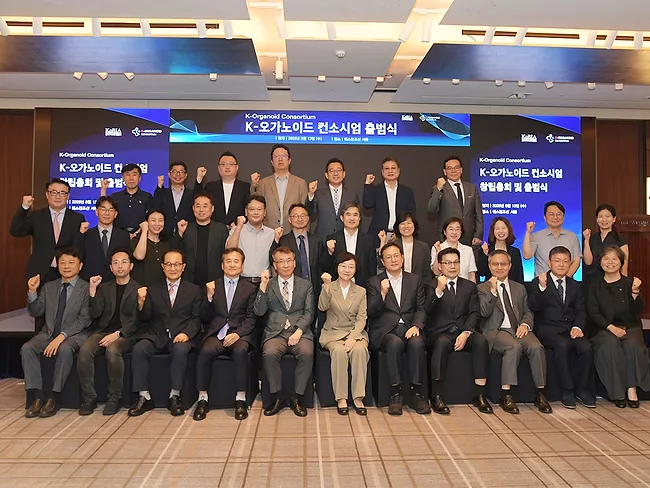
South Korea’s Ministry of Food and Drug Safety (MFDS) launched a new industry-academia-research consortium to support the nation’s organoid industry, expected to grow in light of the U.S. FDA’s shift away from animal testing in the development of novel drugs.
 RSS
RSS