Aimmune Therapeutics Inc. wasted no time moving ahead after last week’s FDA approval of Palforzia for peanut allergy as the Brisbane, Calif.-based company obtained an exclusive worldwide license to develop and commercialize Xencor Inc.’s humanized monoclonal antibody, XmAb-7195, for treating allergic asthma.
The FDA has issued two new approvals, one for a cell-based pandemic influenza A (H5N1) vaccine and the other is the first approval for treating peanut allergy.
With four gene therapies already approved and more than 900 in development, the FDA has finalized six guidances and issued a draft guidance to clarify the rules of the road for developing and manufacturing the treatments.
Matthew Ros, chief strategy and business officer for Epizyme Inc., said the company is “not providing specific guidance at the moment” about the sales force that will be deployed to market Tazverik (tazemetostat) in follicular lymphoma (FL), an indication for which U.S. regulators are considering the oral, first-in-class EZH2 inhibitor. “But I can assure you we’ve planned very thoughtfully” about the effort, he said. “That's always been a part of why we thought epithelioid sarcoma [ES] was such a strategically important component of the overall business strategy to get on-the-ground experience.” The sales force numbers 19 for now.
Four new U.S. drug approvals, one accelerated for need, have handed a string of year-end victories to five drugmakers, marking an unusually active start to a week full of global holiday celebrations. Daiichi Sankyo Co. Ltd., Astrazeneca plc, Eisai Inc., Intra-Cellular Therapies Inc. and Allergan plc all secured new approvals from the agency. Daiichi's Enhertu (trastuzumab deruxtecan), the subject of a $6.9 billion deal with Astrazeneca, won accelerated approval for the third-line treatment of adults with unresectable or metastatic HER2-positive breast cancer. Eisai's Dayvigo (lemborexant) was approved to treat insomnia. Intra-Cellular's Caplyta (lumateperone) was approved to treat schizophrenia. Allergan’s Ubrelvy (ubrogepant) became the first of a relatively new class of drugs to be approved for the acute treatment of migraine.
A mere 26 months after the first patient was enrolled in its pivotal phase II study and about three months ahead of its PDUFA date, the FDA granted accelerated approval for Padcev (enfortumab vedotin-ejfv) to treat adults with locally advanced or metastatic urothelial cancer who have previously received a PD-1/L1 inhibitor and a platinum-containing chemotherapy before (neoadjuvant) or after (adjuvant) surgery or in a locally advanced or metastatic setting.
The FDA took concrete steps Wednesday in mapping out import routes for prescription drugs by issuing a notice of proposed rulemaking and a draft guidance. If finalized, the proposed rule, for the first time, would implement a 20-year-old provision of the Federal Food, Drug and Cosmetics Act that gives the Health and Human Services (HHS) secretary the authority to authorize the import of certain small molecule drugs from Canada. However, the proposal is getting pushback from Canada.
The FDA’s proposed rule would, for the first time, implement Section 804 of the Federal Food, Drug and Cosmetics Act (FDCA), which allows certain small-molecule drugs approved in Canada to enter the U.S. market – if the Health and Human Services secretary certifies that the drugs would pose no additional risk to public health and safety and that they would result in a significant reduction in cost.
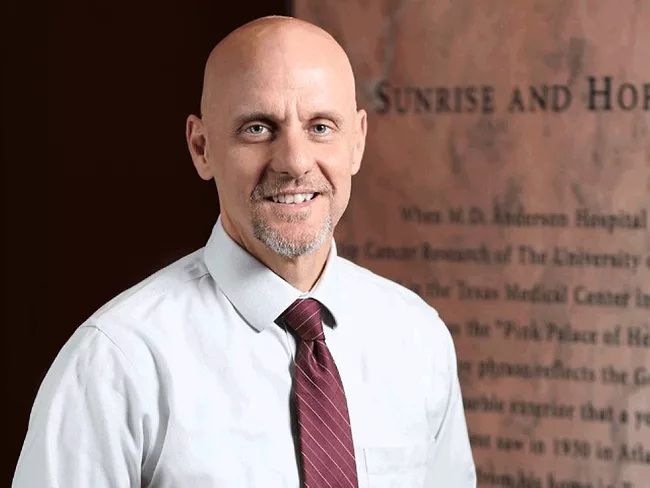
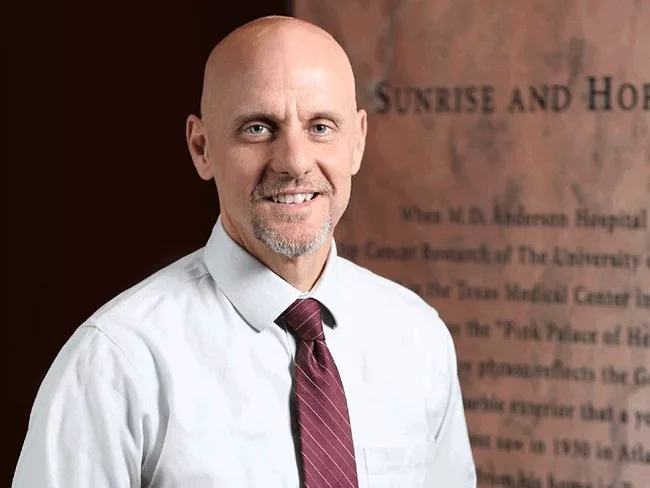
The U.S. Senate voted 72-18 to confirm Stephen Hahn as the commissioner of the FDA, providing the agency with another commissioner with a deep background in oncology. Hahn succeeds Scott Gottlieb, who stepped down from the post in April and returned to the American Enterprise Institute.
With today’s 18-5 vote in the Senate Health, Education, Labor and Pensions Committee (HELP) to send Stephen Hahn’s nomination to the full U.S. Senate, the oncologist who currently serves as chief medical officer at the MD Anderson Cancer Center is just a step away from being confirmed as the next FDA commissioner.
 RSS
RSS