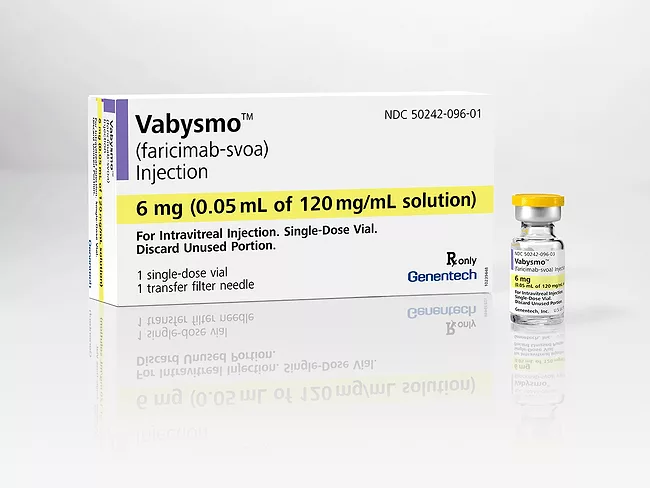
After showing power in its frequency of dosing and efficacy, Vabysmo (faricimab) has been approved by the FDA for treating wet, or neovascular, age-related macular degeneration and diabetic macular edema. The bispecific monoclonal antibody was developed by Roche Holding AG units, Chugai Pharmaceutical Co. Ltd. and Genentech Inc.
Mighty Libtayo has stumbled. Because Regeneron Pharmaceuticals Inc. and Sanofi SA couldn’t find common ground with the FDA on postmarketing studies, the two are voluntarily withdrawing the sBLA for Libtayo (cemiplimab-rwlc) as a second-line treatment for advanced cervical cancer. Discussion about the matter continues outside the U.S., the companies said.
Shares of TG Therapeutics Inc. fell 40% Jan. 27 after the firm disclosed in a U.S. SEC filing that the FDA had put a partial clinical hold on certain studies testing Ukoniq (umbralisib) and ublituximab, or the combination, for chronic lymphocytic leukemia and non-Hodgkin lymphoma.
In keeping with its Drug Competition Action Plan released in 2017, the U.S. FDA finalized two guidances this week focused on the submission and review of generic drugs.
With COVID-19 taking a toll on the U.S. FDA’s inspection program, warning letters stemming from drug facility inspections have been few and far between for the past two years. Aurobindo Pharmaceutical Ltd., of Hyderabad, India, was one of the exceptions.
Nearly two years after Gilead Sciences Inc. spent $4.9 billion to buy Forty Seven Inc. and its lead candidate, magrolimab, the FDA clamped a partial clinical hold on five of Gilead’s clinical trials combining the therapy with azacitidine. The cause, according to Gilead’s management, is “an apparent imbalance in investigator-reported suspected unexpected serious adverse reactions between study arms.” The company said it has not identified a clear trend in the adverse reactions or new safety signals.
Touting a series of firsts and a premium price tag to match, Immunocore Holdings plc is poised to launch the uveal melanoma drug tebentafusp in the U.S. following FDA approval for the medicine. The regulatory nod makes the drug, branded Kimmtrak, the first T-cell receptor-based therapy to reach the market, the first approval for a drug targeting gp100, and the first drug approved in 40 years for the cancer, which is the most common eye cancer in adults, though still rare.
More than three years after tossing a controversial proposal to allow manufacturers of generic drugs to update their labeling independent of the reference list drug (RLD) and promises that it would take a more proactive role in identifying and facilitating labeling updates, the U.S. FDA issued a draft guidance Jan. 25 intended to help holders of abbreviated new drug applications (ANDAs) keep their labels up to date with that of the RLD.
Eli Lilly and Co. has the dubious distinction of receiving the first untitled letter in 2022 from the FDA’s Office of Prescription Drug Promotion. The letter, sent Jan. 19 and posted this week, takes the Indianapolis-based company to task for an Instagram ad promoting Lilly’s diabetes drug Trulicity (dulaglutide).
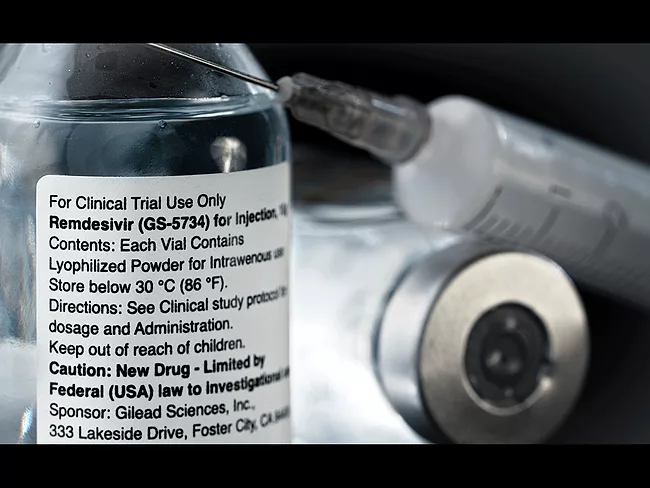
Once again, the U.S. FDA giveth and it taketh away. Just a few days after expanding its approval for Gilead Sciences Inc.’s Veklury (remdesivir) to provide access to more people infected with COVID-19, the FDA essentially shut down the use of two monoclonal antibody (mAb) treatments Jan. 24 that had been authorized to treat mild-to-moderate COVID-19 infections – Regeneron Inc.’s Regen-Cov (Ronapreve in Europe), an antibody cocktail of casirivimab and imdevimab, and Eli Lilly and Co.’s bamlanivimab and etesevimab that are administered together.
 RSS
RSS