Acepodia Inc.’s antibody cell conjugation platform could change the way CAR T-cell therapies are manufactured, clearing the way for an off-the-shelf model to treat numerous cancers that is safer and cheaper than current CAR Ts, Acepodia CEO Sonny Hsiao told BioWorld.
Ipsen SA picked up U.S. FDA accelerated approval for its Genfit SA-licensed elafibranor, making it the first new drug in eight years for treating primary biliary cholangitis, though a potential competitor lurks just around the corner.
Dublin-based Medtronic plc. has issued an urgent device correction letter to customers using the company’s Stealthstation robotic surgical system due to a software error that may provide inaccurate information about the location of the system’s surgical tip in the cranial anatomy.
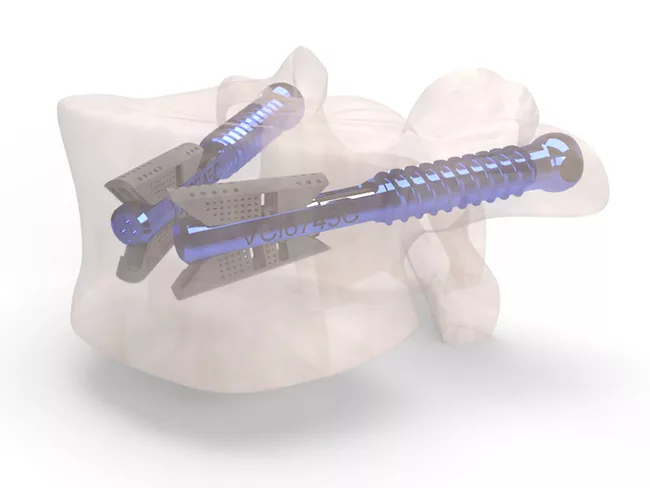
Amber Implants BV reported promising results from the first-in-human trial of patients fitted with its Vcfix spinal system which treats vertebral compression fractures. Data showed that patients experienced significant pain relief and regained the ability to walk without discomfort.
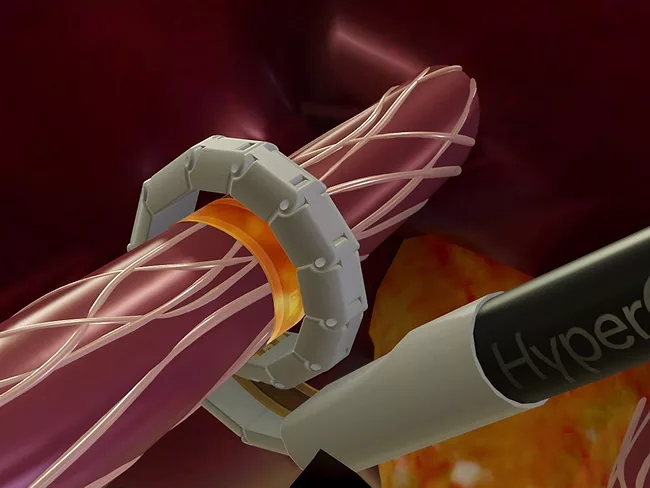
As renal denervation (RDN) makes a comeback for treatment-resistant hypertension, Deepqure Inc. is advancing its RDN medical device dubbed Hyperqure with the U.S. FDA granting clearance for a U.S.-based study.
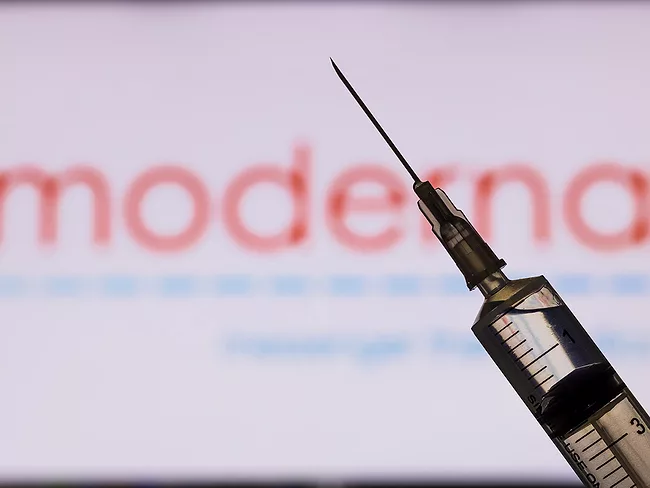
Moderna Inc. is gearing up to meet with regulators on the next steps for mRNA-1083, the first combination vaccine for influenza and COVID-19 to succeed in phase III testing, not only demonstrating noninferiority to individually licensed competitor vaccines but also eliciting statistically significant higher immune responses.
For the U.S. FDA’s Peripheral and Central Nervous System Drugs Advisory Committee, the medical need and the effectiveness of Eli Lilly and Co.’s Alzheimer’s candidate, donanemab, outweighs the safety concerns and lack of data for underrepresented groups and special needs patients. The panel voted unanimously, 11-0, June 10 that the available data show donanemab is effective in treating Alzheimer’s in the population enrolled in Lilly’s clinical trials and that the benefits of the amyloid-targeting monoclonal antibody outweigh the risks in the study population of patients with mild cognitive impairment and mild dementia.
Abbott Laboratories received U.S. FDA clearance for its Lingo and Libre Rio over-the-counter continuous glucose monitoring systems, enabling it to challenge Dexcom Inc. in this rapidly growing market. Dexcom received FDA clearance for its OTC Stela continuous glucose monitor in March.
Geron Corp., a company founded more than three decades ago, is finally celebrating its first U.S. FDA approval. The agency cleared imetelstat, branded Rytelo, for use in transfusion-dependent anemia in adults with low- to intermediate-risk myelodysplastic syndromes, specifically those requiring four or more red blood cell units over eight weeks who have failed or no longer respond to erythropoiesis-stimulating agents (ESA) or who are not eligible for ESA treatment.
The U.S. FDA clamped a full clinical hold Biomea Fusion Inc.‘s phase I/II study of BMF-219 for treating type 1 diabetes and type 2 diabetes. The hold sank the stock on June 7 as the company looked to find answers so it could sit down with the agency to discuss next steps.

 RSS
RSS