South Korean medical software firm Coreline Soft Co. Ltd. said it gained U.S. FDA 510(k) clearance for its artificial intelligence-based coronary artery calcification assessing solution, Aview CAC, while raising ₩18 billion (US$13.33 million) in a private placement.
Artificial intelligence (AI) is steadily making inroads into the world of health care, and San Francisco-based Eko Health Inc. has taken up the AI call with a stethoscope developed in conjunction with the Mayo Clinic that can detect low ejection fraction of the heart.
Beijing- and Shanghai-based Sperogenix Therapeutics Ltd. said that China’s regulatory agency accepted the NDA filing and granted priority review of Agamree (vamorolone) for Duchenne muscular dystrophy on March 26.
Trouble continues to dog Verve Therapeutics Inc.’s base editor of the PCSK9 gene, VERVE-101, so the company paused enrollment in a phase Ib study in cholesterol lowering to focus on the similarly designed VERVE-102.
Abbott Laboratories reported the U.S. FDA approval of a new device specifically designed for the repair of leaky tricuspid heart valves. The Triclip was granted a PMA for the treatment of tricuspid regurgitation following the recent recommendation of the Circulatory System Devices Panel of the Medical Devices Advisory Committee for the FDA, whose vote confirmed 13 to 1, with 0 abstention that the benefits of Triclip outweighed the risks.
Context Therapeutics Inc. has submitted an IND application to the FDA to begin a first-in-human phase I study of CTIM-76 in patients with claudin 6 (CLDN6)-positive gynecologic and testicular cancers.
Beijing- and Shanghai-based Sperogenix Therapeutics Ltd. said that China’s regulatory agency accepted the NDA filing and granted priority review of Agamree (vamorolone) for Duchenne muscular dystrophy on March 26.
The U.S. FDA issued a draft guidance for premarket applications for class II bone grafting devices, a policy that would supplement a guidance issued nearly two decades ago.
It’s game time for Abbott Laboratories’ 15-minute concussion test now that FDA clearance is in hand. The I-Stat traumatic brain injury cartridge uses whole blood, allowing bedside assessment of patients without lab processing.
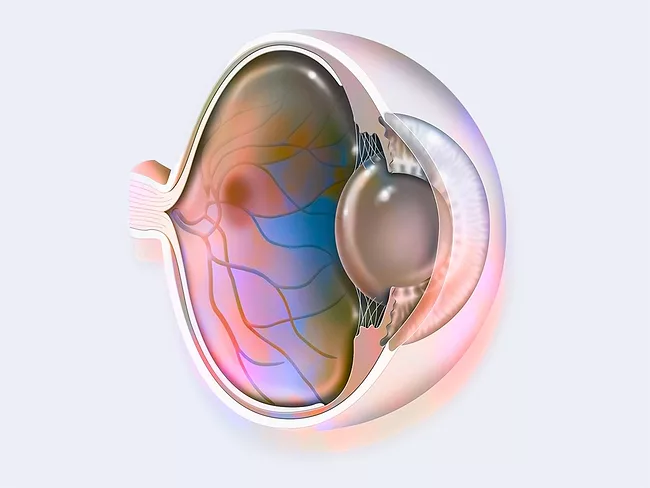
The notion of using vacuum pressure on the anterior portion of the human eye as a treatment for open-angle glaucoma might be a clinical novelty, but Balance Ophthalmics Inc. is poised to change that. The company recently won a favorable outcome at a U.S. FDA advisory panel for its Fsyx negative pressure pump for ocular use, although the company is likely to have to drum up a large body of data in post-approval studies, assuming the FDA gives the Fsyx the nod.
 RSS
RSS