Five months after the first anti-CD20xCD3 T-cell engaging bispecific antibody, Roche Holding AG’s Lunsumio (mosunetuzumab), cleared U.S. FDA approval for follicular lymphoma, partners Genmab A/S and Abbvie Inc. won the agency’s approval for epcoritamab as the first subcutaneous CD20xCD3 bispecific antibody for treating diffuse large B-cell lymphoma.
Efficacy data for Pfizer Inc.’s respiratory syncytial virus (RSV) vaccine proved convincing for members of the U.S. FDA’s Vaccines and Related Biological Products Advisory Committee, which voted 14-0 May 18 in favor of Abrysvo’s effectiveness when administered during the second or third trimester of pregnancy to protect infants from birth to 6 months, with the adcom endorsing safety data in a 10-4 vote.
Trouble presaged by U.S. FDA concerns over potential drug-induced liver injury (DILI) caused by obeticholic acid (OCA) 25 mg came to pass during the Gastrointestinal Drugs Advisory Committee meeting May 19 on Intercept Pharmaceuticals Inc.’s accelerated approval effort with the compound.
Right on schedule the U.S. FDA gave its blessing for Krystal Biotech Inc.’s topical gene therapy, Vyjuvek (beremagene geperpavec, or B-VEC), an orphan drug, to become the first approved treatment for the rare skin condition dystrophic epidermolysis bullosa (DEB).
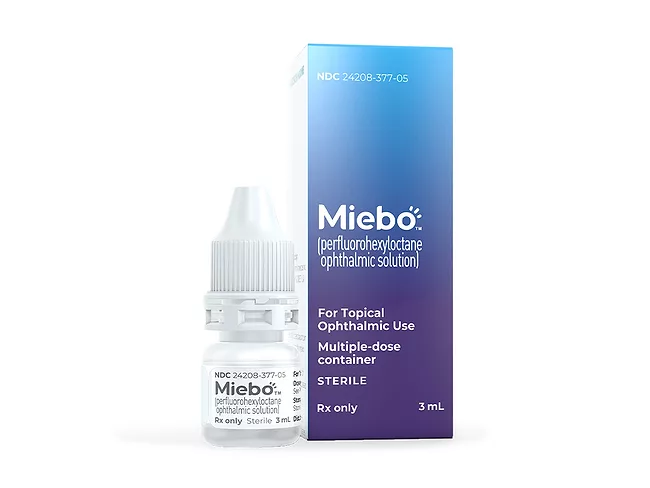
Less than a year after submitting their NDA and several weeks before the June 28 PFUFA date, Bausch + Lomb Corp. and partner Novaliq GmbH have been awarded U.S. FDA approval for Miebo, their perfluorohexyloctane eye drop formulation designed to treat the signs and symptoms of dry eye disease associated with meibomian gland dysfunction.
Indapta Therapeutics Inc. has gained IND clearance from the FDA to commence a first-in-human phase I trial of IDP-023, an allogeneic natural killer (NK) cell therapy, in patients with relapsed or refractory multiple myeloma and lymphoma, anticipated to begin in the second half of this year. The study will explore three different dose levels of Indapta’s G-NK cells alone and in combination with IL-2 and the monoclonal antibodies rituximab and daratumumab.
The U.S. FDA’s release of its briefing document for the upcoming advisory committee meeting on obeticholic acid 25 mg as a fatty liver disease treatment sent Intercept Pharmaceuticals Inc. on a downwards spiral May 17. Soon after the document was released, Intercept stock (NASDAQ:ICPT) dropped as low as $11.41 – down almost 30% from its May 16 close of $16.21. As the day wore on, it regained some of that lost value in heated trading that was more than eight times the company’s average daily volume of 782,285. The rebound helped Intercept close the day at $13.83, down about 15%.
 RSS
RSS