After a nearly year-long delay pegged to COVID-19 travel restrictions, the U.S. FDA has approved Amicus Therapeutics Inc.’s Pompe disease drug, introducing competition for Sanofi SA’s standard-of-care treatment and anticipating blockbuster sales. The combination of Pombiliti (cipaglucosidase alfa-atga) and Opfolda (miglustat) 65-mg capsules was approved for adults with late-onset Pompe disease, who weigh at least 40 kg and who are not improving on their current enzyme replacement therapy.
The U.S. FDA may be the most prominent agency in the federal government when it comes to the use of real-world data (RWD), but the National Institutes of Health is keen to immerse itself in this trove of information. The agency has made a request for public comment on how NIH centers can best leverage RWD for biomedical and behavioral research, although some ethical and practical considerations may have to be overcome.
Baudax Bio Inc.’s lead clinical candidate, TI-168, has been awarded U.S. orphan drug designation by the FDA for the treatment of hemophilia A with inhibitors. TI-168 is a next-generation, factor VIII (FVIII)-specific regulatory T-cell (Treg) therapy designed to address hemophilia A in patients with FVIII inhibitors.
It has been a long time coming, but Fabre-Kramer Pharmaceuticals Inc. finally received U.S. FDA approval for its major depressive disorder candidate, Exxua (gepirone hydrochloride extended-release tablets). The approval comes three months after the June 23 PDUFA date (as a result of amendments filed by the company in April and May), but 24 years after the original NDA was filed in 1999.
Brainstorm Cell Therapeutics Inc. said it’s exploring all its options in the wake of a Sept. 27 U.S. FDA advisory committee vote, in which the committee overwhelmingly disagreed with the company that the data it presented supported the effectiveness of Nurown (debamestrocel) for the treatment of mild to moderate amyotrophic lateral sclerosis.
Brainstorm Cell Therapeutics Inc.’s Nurown got a thumbs down from the U.S. FDA’s Cellular, Tissue and Gene Therapies Advisory Committee Sept. 27, as the committee voted 1-17, with one abstention, that the data presented demonstrated substantial evidence of effectiveness for treatment of mild to moderate amyotrophic lateral sclerosis.
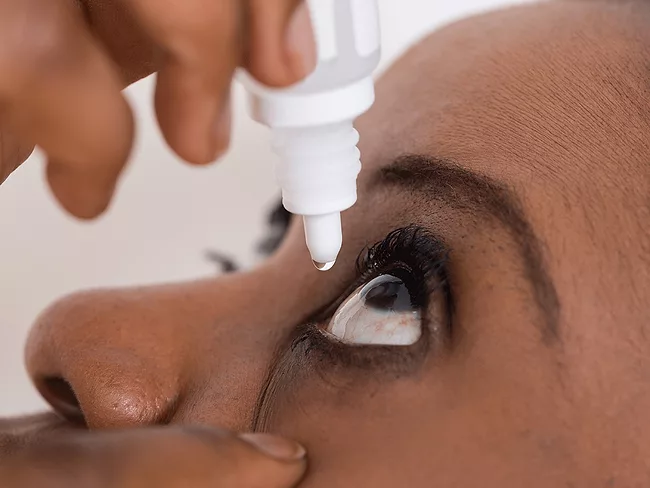
The NDA for the formerly named Nyxol is now an open and shut case for Ocuphire Pharma Inc. and Viatris Inc. The U.S. FDA has approved Ryzumvi (phentolamine ophthalmic solution) for treating pharmacologically induced mydriasis, better known as dilating the pupil. Ryzumvi, a small-molecule eye drop, reduces the pupil’s diameter after it is dilated with adrenergic agonists such as phenylephrine or parasympatholytic agents such as tropicamide. The treatment reduces pupil size by acting on the iris dilator muscle.
The U.S. FDA recently convened an advisory hearing to discuss whether three in vitro diagnostics should be reclassified from class III to class II, including tests for the pathogens responsible for Hepatitis B and tuberculosis. The panel agreed that all three of the test types should be reshuffled to the lower-risk class II category, suggesting that test developers now have an opportunity to jump into a market with lower-cost tests that won’t need expensive and drawn-out clinical studies to obtain the FDA’s seal of approval.
Femasys Inc. received U.S. FDA 510(k) clearance for Femaseed, an infertility treatment that delivers sperm directly to the fallopian tubes. Less invasive and more straightforward than in vitro fertilization, the procedure offers what the company said is a new and more affordable alternative to family building for couples encountering fertility issues.
The Consolidated Appropriations Act of 2023 covered a lot of budget terrain for the U.S. federal government, but Section 3305 was unusual for this type of bill in that it called on the FDA to require cybersecurity features as a part of the Quality System Regulation (QSR).

 RSS
RSS