The U.S. FDA is going straight to final guidance with its “Considerations for the conduct of clinical trials of medical products during major disruptions due to disasters and public health emergencies [PHEs].”
Shares of ARS Pharmaceuticals Inc. (NASDAQ:SPRY) plummeted 55.8% Sept. 20 on word that the U.S. FDA issued a complete response letter (CRL) for Neffy, despite receiving a recommendation for approval in May from the agency’s advisory committee (adcom) and following a three-month delay in action.
The U.S. FDA is still sorting through the feedback for its proposal to modestly align the Quality System Regulation with ISO 13485, but the agency has posted a draft four-year plan for regulatory harmonization that is substantially broader in scope than just quality management system considerations. While this proposal addresses a significant need for device makers working in multiple markets, the objectives include an assessment of at least nine non-FDA harmonization proposals by the end of fiscal year 2025, a clear indicator that harmonization will continue to be every bit the slog it has proven to be in recent years.
A Sept. 21 U.S. FDA advisory committee meeting will either be a “Hail Mary” or a last gasp of life for ITCA-650, a twice-yearly implantable exenatide-device combination product intended to improve glycemic control in adults with type 2 diabetes.
Developers of combination products face an unusual dilemma in their interactions with the U.S. FDA, given that the data for the constituent products reside in multiple product centers. Some of the related clunkiness may soon be a thing of the past thanks to a new four-year proposal to overhaul the FDA’s information technology infrastructure, which among other things will emphasize a more seamless sharing of data across centers, precisely the kind of initiative that would facilitate reviews of combination products.
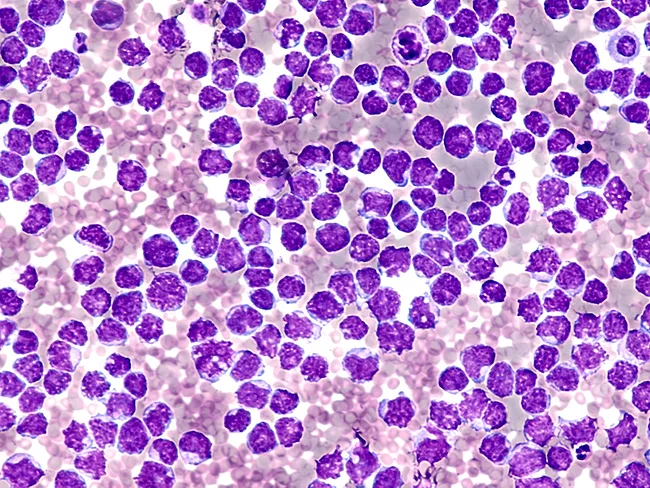
Lantern Pharma Inc. has received FDA clearance of its IND application for LP-284, being developed for the treatment of relapsed or refractory non-Hodgkin lymphoma (NHL), including mantle cell lymphoma, double hit lymphoma and other high-grade B-cell lymphomas. Enrollment in a first-in-human phase I trial is expected to begin during the fourth quarter of this year.
Lapix Therapeutics Inc. has received IND clearance from the FDA to initiate a phase I trial of its first-in-class, immune tolerance restoration small molecule, LPX-TI641, for the treatment of multiple sclerosis (MS).
If the U.S. FDA has its way, biosimilars and interchangeable biosimilars would no longer be a difference with a distinction – at least when it comes to labeling. Instead of distinguishing between the two, the agency is recommending that the labeling for both follow-ons include a “biosimilarity statement.”
Five years after Gilead Sciences Inc. gave up on momelotinib in the wake of two phase III failures in myelofibrosis, the JAK1/2 and ACVR1 inhibitor has found its way to the market in the hands of GSK plc. Branded Ojjaara, the drug gained U.S. FDA approval for use in intermediate- or high-risk myelofibrosis patients with anemia regardless of prior administration with JAK inhibitors such as Jakafi (ruxolitinib, Incyte Corp.).

 RSS
RSS