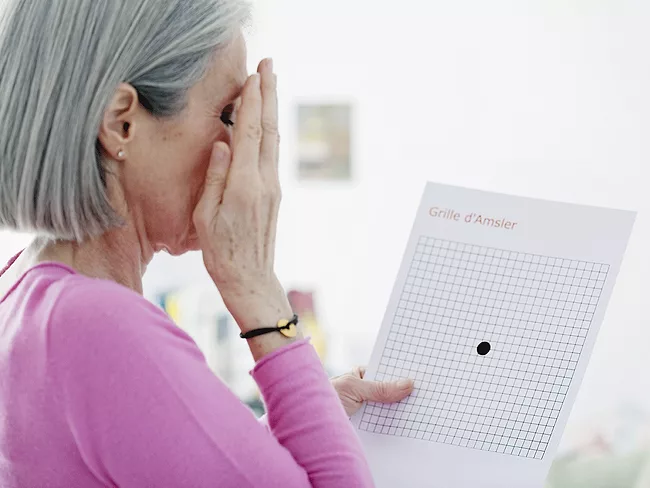
After hitting the safety and efficacy endpoints in a pivotal study of wet age-related macular degeneration (AMD), Outlook Therapeutics Inc.’s CEO said he had not expected to receive a complete response letter (CRL) from the U.S. FDA. The BLA for ONS-5010 (bevacizumab-vikg) now is on hold, the company said, because the agency said chemistry, manufacturing, and controls management problems were getting in the way, along with “open observations from pre-approval manufacturing inspections, and a lack of substantial evidence.”
The U.S. FDA has awarded Bristol Myers Squibb Co. (BMS) with its third approval for treating anemia with Reblozyl (luspatercept-aamt). Specifically, the approval is for treating anemia without previous erythropoiesis stimulating agent use in adults with very low- to intermediate-risk myelodysplastic syndromes who may require regular red blood cell transfusions.
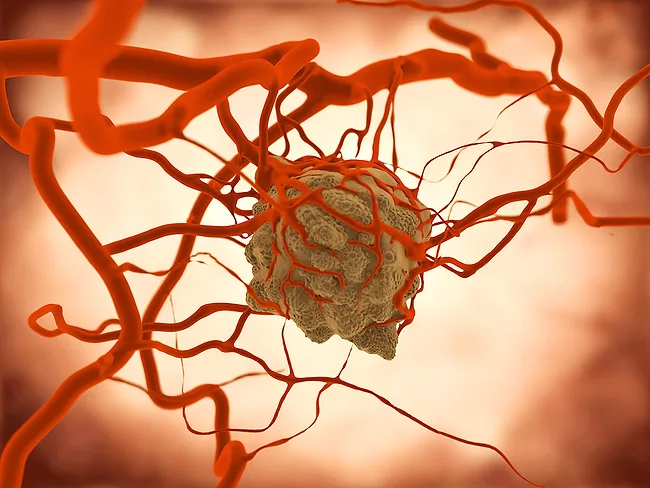
Tscan Therapeutics Inc. has received FDA clearance of its IND application for TSC-203-A0201, a T-cell receptor (TCR)-engineered T-cell therapy (TCR-T) targeting preferentially expressed antigen in melanoma (PRAME). PRAME is expressed in melanoma and other solid tumors, including head and neck cancers and non-small-cell lung cancers. TSC-203-A0201 is specific for patients with HLA type A*02:01.
The U.S. FDA has given Aquedeon Medical Inc. the green light to conduct an IDE clinical trial of its Duett vascular graft system. The device is designed to improve outcomes in surgical thoracic aortic procedures by simplifying treatment of target vessels and reducing overall procedure time.
Harbour Biomed Ltd. has received FDA clearance of its IND application to commence a phase I trial of HBM-9033 in advanced solid tumors. Developed in collaboration with Medilink Therapeutics (Suzhou) Co. Ltd., HBM-9033 is an antibody-drug conjugate that specifically targets human mesothelin (MSLN), an upregulated tumor-associated antigen in various solid tumors, including mesothelioma, ovarian cancer, lung cancer, breast cancer and pancreatic cancers. The fully human monoclonal antibody in HBM-9033, generated from the Harbour Mice platform, binds preferably to membrane bond MSLN over soluble MSLN, which minimizes the interference of the shedding MSLN on the binding and internalization of the membrane bond MSLN.
Biosimilars continue to pose cheaper alternatives to their established, blockbuster counterparts. The U.S. FDA has approved Tyruko (natalizumab-sztn) from Sandoz Inc., the generics business of Novartis AG. It is the first approved biosimilar to Biogen Inc.’s blockbuster Tysabri (natalizumab), an injectable monoclonal antibody for treating adults with relapsing forms of multiple sclerosis (MS).
Imeka Solutions Inc. has received U.S. FDA 510(k) clearance for the Advanced Neuro Diagnostic Imaging system designed to provide neurologists and radiologists with vital reference information on cerebral white matter for better management of brain diseases such as Alzheimer’s. This comes on the heels of two new CPT 3 codes for quantitative brain MRI assessment which Imeka expects its clients will begin taking advantage of by January 2024.
Dublin-based Medtronic plc. has invested considerable resources into its renal denervation program, but the company has not completed its regulatory journey for the U.S. market just yet. Medtronic failed to persuade an FDA advisory committee of the virtues of its Symplicity Spyral device due to inconsistent results from the two major studies presented at the hearing but vowed to keep working on the application despite the sustained headwinds.
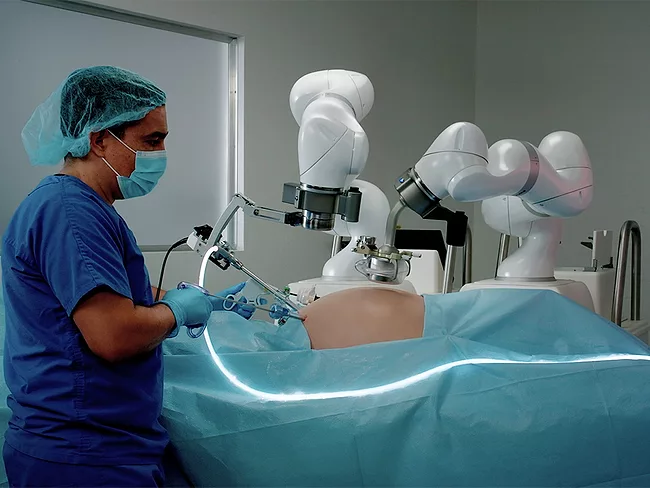
Levita Magnetics International Corp. received uplifting news this week as the U.S. FDA cleared its magnetic-Assisted Robotic Surgery (MARS) minimally invasive surgical platform. MARS builds on the company’s first product, the Levita magnetic surgical system, by providing greater control of surgical instruments to surgeons. The platform is cleared for use in bariatric, colorectal, gallbladder and prostate surgeries.
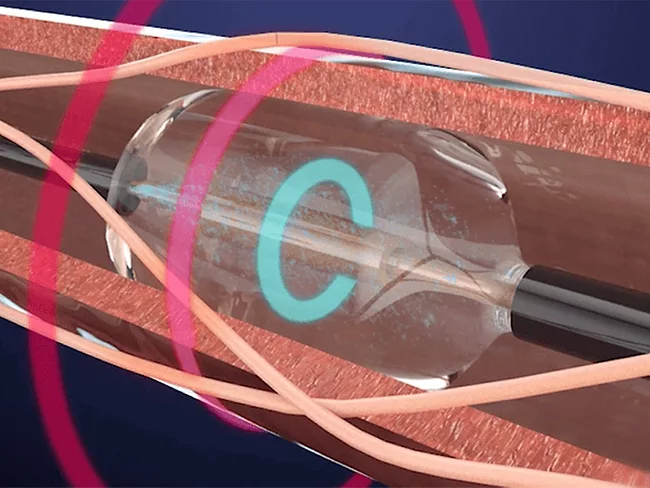
The age of renal denervation as a treatment for hypertension may have finally arrived in the U.S. with the affirmative U.S. FDA advisory vote for the Paradise system for renal denervation by Recor Medical Inc., of Palo Alto, Calif. The 12-member advisory committee vote unanimously that the data suggested the ultrasound-based device was safe and voted 8-3 in support of the Paradise’s efficacy, an outcome that the agency may find difficult to refute, given the large public health impact of hypertension in the U.S.
 RSS
RSS