As expected, the U.S. FDA gave its go-ahead to lecanemab, an amyloid-beta binder for mild cognitive impairment caused by Alzheimer’s disease (AD) and mild AD from Biogen Inc. and Eisai Co. Ltd, which have assigned to the compound the brand name Leqembi.
In the wake of ongoing criticism over the U.S. FDA’s 2021 accelerated approval of Biogen Inc.’s Alzheimer’s drug, Aduhelm, the percentage of novel drugs receiving accelerated approval last year was the lowest it’s been since 2018.
Lantern Pharma Inc.'s LP-284 has been awarded orphan drug designation by the FDA for the treatment of mantle cell lymphoma (MCL). LP-284 is a novel small-molecule agent that preferentially damages DNA in cancer cells harboring mutations in DNA damage repair pathways.
As expected, the U.S. FDA gave its go-ahead to lecanemab, an amyloid-beta binder for mild cognitive impairment caused by Alzheimer’s disease (AD) and mild AD – together known as early AD – from Biogen Inc. and Eisai Co. Ltd, which have assigned to the compound the brand name Leqembi.
Playwright George Bernard Shaw is credited with coining the phrase, “better late than never,” a piece of advice the U.S. FDA seems to have taken to heart when it comes to posting the regulations for first-of-a-kind devices. The agency has posted eight regulations for de novo devices just between Jan. 4 and Jan. 5, 2023, five of those arriving on the latter of those two days in a post-holiday scramble to catch up.
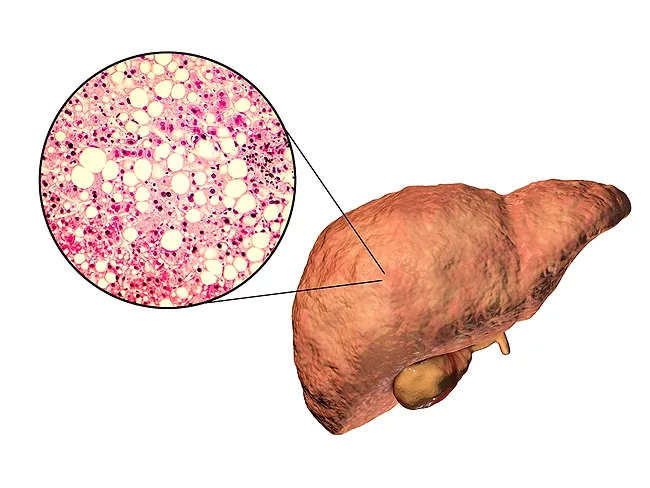
SFA Therapeutics Inc. has received FDA clearance of its IND application to investigate SFA-001N in patients with nonalcoholic steatohepatitis (NASH) with or without fibrosis.
After more than five years and extensive feedback, the U.S. FDA is finalizing its guidance on the format and content of risk evaluation and mitigation strategy (REMS) plans for prescription drugs and biologics associated with serious risks.
Phathom Pharmaceuticals Inc.’s shares sank 31% on news that the U.S. FDA will not take action on the company’s NDA for oral small-molecule potassium-competitive acid blocker vonoprazan by the Jan. 11 PDUFA date.
Hotspot Therapeutics Inc. has received FDA clearance of its IND application for HST-1011, the company's investigational small-molecule allosteric inhibitor of casitas B-lineage lymphoma-B (CBL-B), an E3 ubiquitin protein ligase critically involved in immune cell response.
Askgene Pharma Inc. has received FDA clearance of its IND application to start a phase I study of ASKG-915, a novel and proprietary anti-PD-1/IL-15 prodrug fusion molecule for the treatment of cancer.

 RSS
RSS