GSK plc may have pushed the door open Oct. 26 for the use of a new class of oral drugs to treat anemia in U.S. patients with chronic kidney disease who are dialysis dependent. The U.S. FDA’s Cardiovascular and Renal Drugs Advisory Committee voted 13-3 that the benefits of GSK’s daprodustat outweighed the risks in that population. However, the committee didn’t push the door wide enough for patients not on dialysis, voting 5-11 on the question of whether the drug’s benefits outweighed its risk in the nondialysis population, even though that group conceivably could see a greater benefit. The test now is whether the FDA will follow the committee’s lead.
Cellevolve Bio Inc. announced that the FDA has cleared its IND application for CE-VST01-JC, an allogeneic, off-the-shelf, JC-specific T-cell therapy (JC-VST) targeting JC polyoma virus (JCV), being studied for the treatment of progressive multifocal leukoencephalopathy (PML).
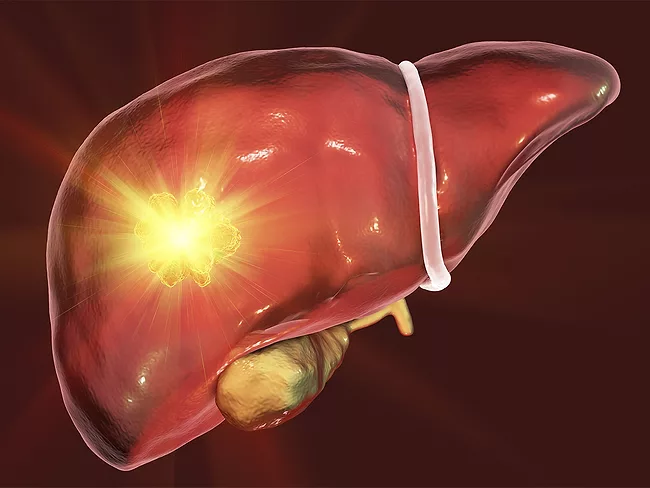
It’s been a long road, but Astrazeneca plc’s anti-CTLA4 antibody, tremelimumab, finally earned its first U.S. FDA nod, cleared for use in combination with anti-PD-L1 drug Imfinzi (durvalumab) to treat patients with unresectable hepatocellular carcinoma (HCC). The commercial impact of the dual checkpoint therapy, however, remains to be seen, as it goes up against Roche Holding AG’s combination of Avastin (bevacizumab) and Tecentriq (atezolizumab), which gained standard-of-care status in first-line HCC in 2021.
Hoping its drug, daprodustat, can succeed in the U.S. where two other hypoxia-inducible factor prolyl hydroxylase inhibitors (HIF-PHIs) have failed so far, GSK plc will present its case Oct. 26 to the FDA’s Cardiovascular and Renal Drugs Advisory Committee for the drug's potential use as a treatment for anemia in patients with chronic kidney disease regardless of dialysis dependency.
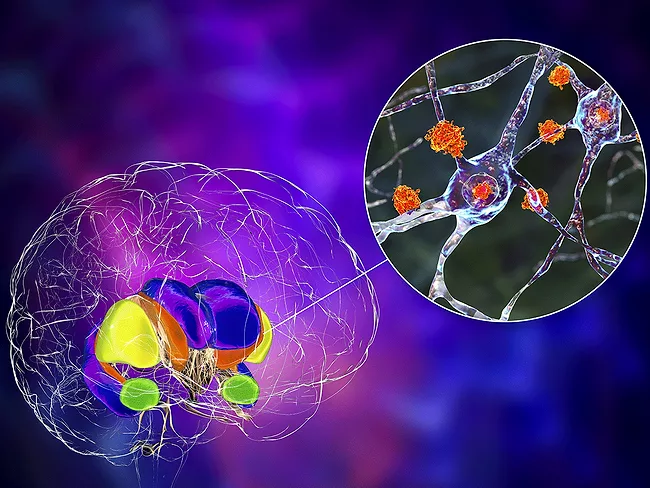
The U.S. FDA wants more data on PTC-518 before PTC Therapeutics Inc.'s phase II study of Huntington’s disease can continue enrollment. While stopped in the U.S., the study of the oral, small-molecule splicing modifier still is enrolling participants at sites in several European countries and in Australia.
In a bit of déjà vu, the U.S. FDA’s Obstetrics, Reproductive and Urologic Drugs Advisory Committee once again voted that Makena (hydroxyprogesterone caproate) should be withdrawn from the U.S. market while a second confirmatory trial is designed and conducted. But this time around, the committee’s 14-1 vote was much more decisive than its 9-7 vote in 2019.
Guangzhou Zhiyi Biotechnology Co. Ltd. has received IND approval from the FDA to conduct a phase I study in the U.S. with SK-10 for the treatment of chemotherapy-induced diarrhea.

 RSS
RSS