The Senate Health, Education, Labor and Pensions (HELP) Committee met April 5 to review the user fee agreements for the drug and device centers, but one member of the committee was quite vocal about the ever-growing volume of user fees. Sen. Richard Burr (R-N.C.) said the pace with which user fees are increasing suggests that the FDA is growing increasingly independent of Congress.
Even as many in the U.S. are looking for the end of the COVID-19 public health emergency, Health and Human Services (HHS) Secretary Xavier Becerra reinforced expectations April 5 that he will continue the emergency declaration into the summer, if not beyond. When asked during a Senate Finance Committee budget hearing if he saw the emergency ending this summer, Becerra declined to give a date, but reiterated his commitment to give stakeholders at least 60 days’ notice.
A patient’s death has prompted the FDA to place a partial clinical hold on Curis Inc.’s phase I/IIa study of emavusertib in leukemia. The patient, who had relapsed or refractory acute myeloid leukemia, experienced several conditions. One of them was rhabdomyolysis, a dose-limiting toxicity of emavusertib. Rhabdomyolysis is a breakdown of muscle fibers in the blood.
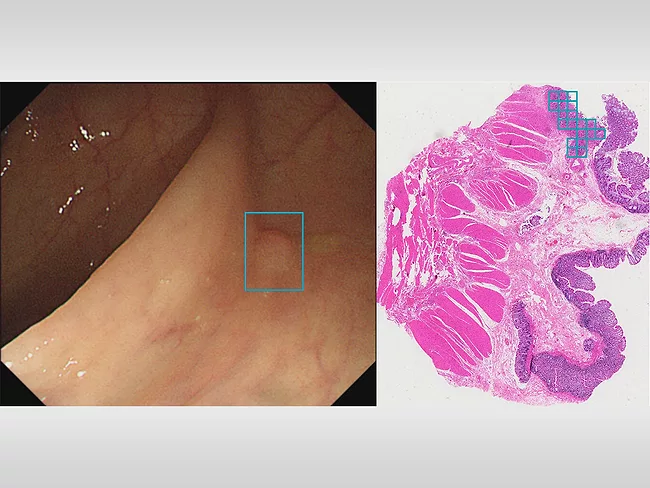
With FDA clearance of its Endoscreener that uses artificial intelligence (AI) to detect polyps during coloscopy procedures, Wision AI Ltd. is expanding its product portfolio to include colorectal histopathology tools.
Opinion on Wall Street said the matter could have gone either way, but in the end Akebia Therapeutics Inc.’s vadadustat, a HIF prolyl-hydroxylase inhibitor for anemia caused by chronic kidney disease (CKD), garnered a complete response letter (CRL) instead of approval from the FDA. The news slammed Akebia shares (NASDAQ:AKBA), which closed at 82 cents, down $1.61, or 66%. Specifically, the agency said that the data in the NDA do not support a favorable benefit-risk assessment of vadadustat in dialysis-dependent (DD) and non-DDs patients.
Unless the U.S. FDA once again overrides its Peripheral and Central Nervous System Drugs Advisory Committee, it looks like the ALS community will have a longer wait for an additional tool against the fatal, degenerative disease. After hearing from both Amylyx Pharmaceuticals Inc. and FDA reviewers, along with 26 people testifying during the open public hearing, the committee voted March 30 against approval of AMX-0035, a fixed-dose combination of sodium phenylbutyrate and taurursodiol, as a much-needed treatment for amyotrophic lateral sclerosis (ALS).
The ongoing tension between manufacturers of imaging systems and entities that perform extensive servicing activities has prompted activity on Capitol Hill in the form of H.R. 7253, the Clarifying Remanufacturing to Protect Patient Safety Act.
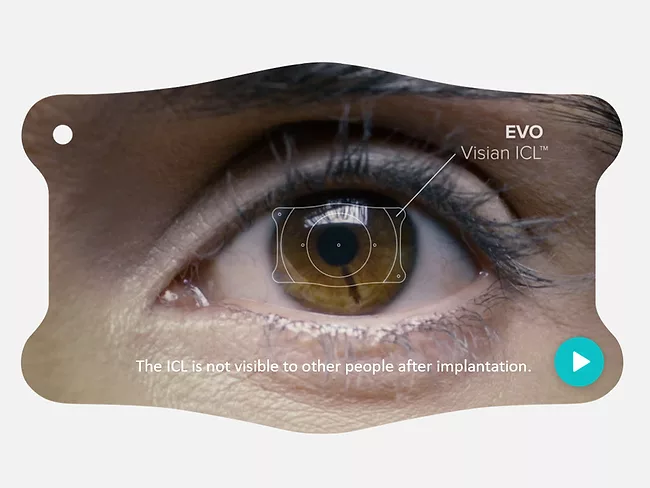
After more than 10 years on the market in Europe, Staar Surgical Co. can finally see a brighter future for its newest lenses in the U.S. This week, the company received FDA premarket supplement approval of its Evo/Evo+ Visian implantable lens for the correction of myopia and myopia with astigmatism in patients aged 21 to 45. Made of a proprietary poly(2-hydroxyethyl methacrylate)-based collagen co-polymer the company calls Collamer, the lens is inserted behind the iris in a quick procedure and can be removed, if needed. Unlike laser-assisted in situ keratomileusis (LASIK), the Evo procedure does not remove corneal tissue.
Biobeat Technologies Ltd. reported its remote patient monitoring system received FDA clearance to monitor respiratory rate and body temperature. The wireless chest and wrist monitoring device is already cleared for cuffless blood pressure monitoring, blood oxygen saturation and pulse rate. The artificial intelligence platform utilizes a photoplethysmography-based sensor at the surface of the skin that measures volumetric variations of blood circulation.
The beleaguered PI3K-delta inhibitor space took another blow after MEI Pharma Inc. and partner Kyowa Kirin Co. Ltd. said the U.S. FDA won’t greenlight zandelisib without data from a randomized study.
 RSS
RSS