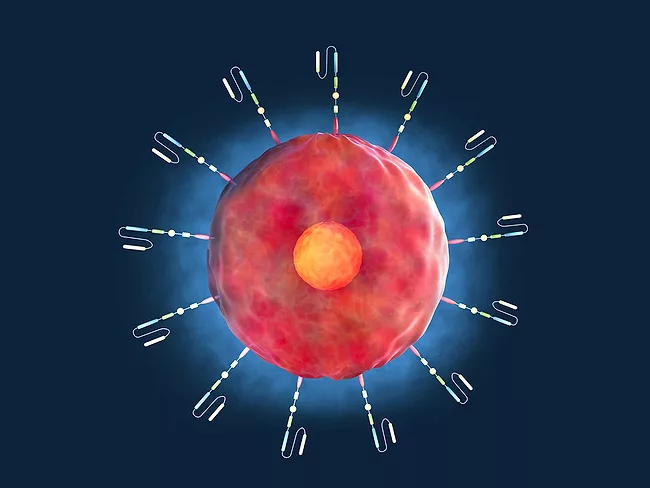
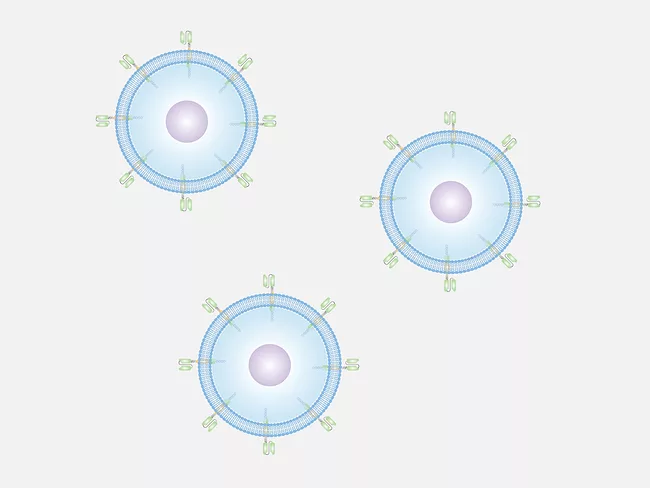
The field of cell and gene therapy is moving toward a new phase of scalability and clinical durability, with in vivo chimeric antigen receptor (CAR) T-cell therapeutics emerging as the dark horse in what speakers at BIO Asia-Taiwan 2026 described as CAR T’s second revolution.
Signs of recovery are emerging in the biotechnology investment sector, although investors across Asia say that capital is flowing selectively to companies that can demonstrate clinical differentiation, strong management teams and a clear path to commercialization.
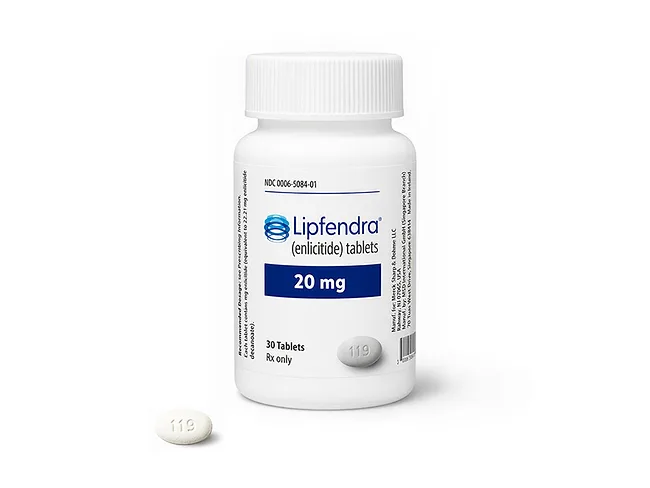
Branded Lipfendra, Merck & Co. Inc.’s oral PCSK9 inhibitor enlicitide, part of the FDA Commissioner’s National Priority Voucher pilot program, won U.S. approval to reduce low-density lipoprotein cholesterol (LDL-C) in adults with hypercholesterolemia, including heterozygous familial hypercholesterolemia.
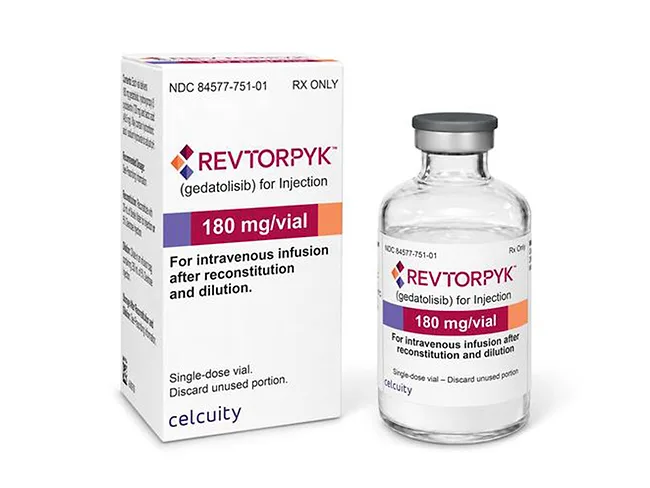
For the second time in two months, Celcuity Inc. failed to generate investor excitement despite disclosing positive news, this time following the U.S. FDA approval of Revtorpyk (gedatolisib) in a subset of breast cancer patients, marking the firm’s first foray into the commercial space and introducing a new treatment option for patients. Wall Street instead focused on an unanticipated launch delay, sending shares of Celcuity (NASDAQ:CELC) down 17.6% to close July 15 at $91.51.
Atrium Therapeutics Inc. has obtained IND clearance from the FDA for ATR-1072 for the treatment of protein kinase AMP-activated non-catalytic subunit γ2 (PRKAG2) syndrome.
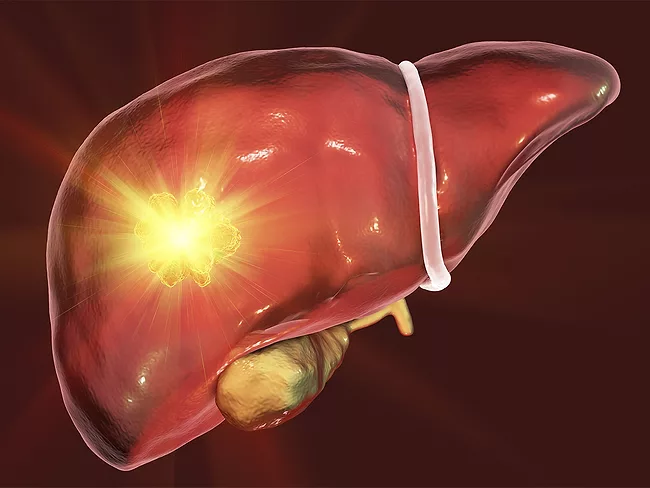
The U.S. FDA declined to approve, for a third time, an investigational liver cancer drug regimen comprising HLB Co. Ltd.’s rivoceranib and Jiangsu Hengrui Pharmaceutical Co. Ltd.’s camrelizumab, reportedly citing issues from a drug manufacturing facility inspection.
The U.S. FDA is proposing a rule to streamline its drug establishment registration regulations for distributed biopharma manufacturing facilities and to strengthen the country’s drug supply chain.
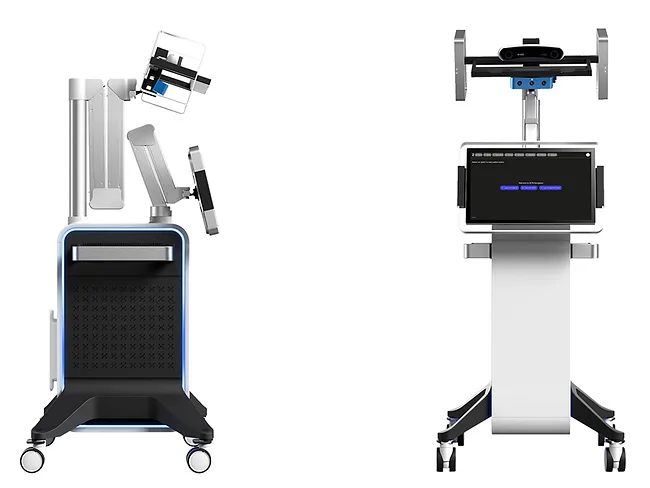
Zeta Surgical Inc. received U.S. FDA 510(k) clearance for its transcranial magnetic stimulation (TMS) robotic system which is designed to support precise and repeatable TMS therapy for patients with treatment-resistant depression.
The U.S. FDA declined to approve, for a third time, an investigational liver cancer drug regimen comprising HLB Co. Ltd.’s rivoceranib and Jiangsu Hengrui Pharmaceutical Co. Ltd.’s camrelizumab, reportedly citing issues from a drug manufacturing facility inspection.
Fate Therapeutics Inc. has obtained IND clearance from the FDA for FT-839, the company’s next-generation, off-the-shelf CAR T-cell product candidate targeting CD19 and CD38 for autoimmune diseases.
 RSS
RSS