By now, the story of last year’s dismal U.S. capital markets is hardly news. But when combined with increasing regulatory stresses, especially for biopharma and med-tech startups, there are elements of that story giving some Street-watchers pause, even as the market begins to show a few signs of recovery.
Having addressed the manufacturing issues that resulted in a few complete response letters, Alvotech Holdings SA and Teva Pharmaceutical Industries Ltd.’s biosimilars partnership is now on a roll, with the U.S. FDA approving the team’s second biosimilar, Selarsdi, less than two months after approving the first one, Simlandi, as an adalimumab interchangeable.
Before formally introducing legislation to spur R&D of treatments for long COVID, the U.S. Senate Health, Education, Labor and Pensions Committee is calling for stakeholder input on the proposal that would require $10 billion in dedicated, mandatory NIH funding to respond to the chronic condition over the next 10 years.
The U.S. Department of Health and Human Services (HHS) was quite vocal in its statement regarding a recent hospital cybersecurity breach, but HHS recently suffered an undisclosed data breach that cost $7.5 million in taxpayer monies.
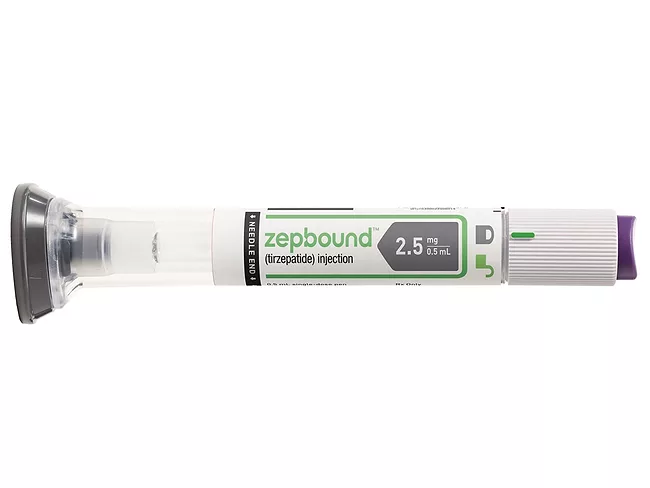
When it comes to whether Medicare Part D should cover the new anti-obesity drugs, the U.S. Centers for Medicare & Medicaid Services and lawmakers may be caught between the math and public pressure.
Although there’s bipartisan interest in the U.S. Congress to hold pharmacy benefit managers (PBMs) accountable for their contribution to the costliest drug prices in the world, the Biden administration ignored PBMs when it again focused on drug companies as the bad guys of pricing in its proposed 2025 budget.
After months of wrangling, the update of the EU pharmaceutical legislation passed an important milestone on March 19, when members of parliament on the health committee reconciled their opposing views and voted the file through.
The U.S. Court of Appeals for the Third Circuit may have ruled last year that the Department of Health and Human Services doesn’t get to fill in the gaps in the law that created the 340B prescription drug discount program, but some states and lawmakers are coming up with their own workarounds to force drug manufacturers to give the discounts to an unlimited number of contract pharmacies.
In what was more of a campaign speech accompanied by frequent chants of “four more years,” U.S. President Joe Biden loaded the annual State of the Union address March 7 with what sounded like campaign promises for a second term. Among those promises were calls to Congress to expand the prescription drug price provisions of the 2022 Inflation Reduction Act.
Several members of the U.S. Congress have inked legislation that provides taxpayer resources to help bring many types of manufacturing, including medical devices and equipment, back to the Western Hemisphere in general and, in some instances, the U.S.
 RSS
RSS