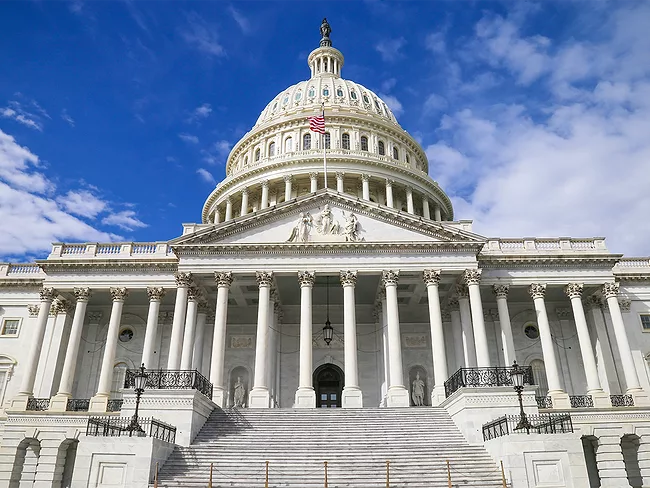
After the U.S. House passed a package of spending bills Jan. 22 to fund several agencies and departments, including Health and Human Services, through fiscal 2026, the Senate was expected to quickly follow suit to ensure that no part of the federal government would shut down when the current continuing resolution expires Jan. 30. That was before a confrontation with Immigration and Customs Enforcement in Minnesota turned deadly over the weekend.
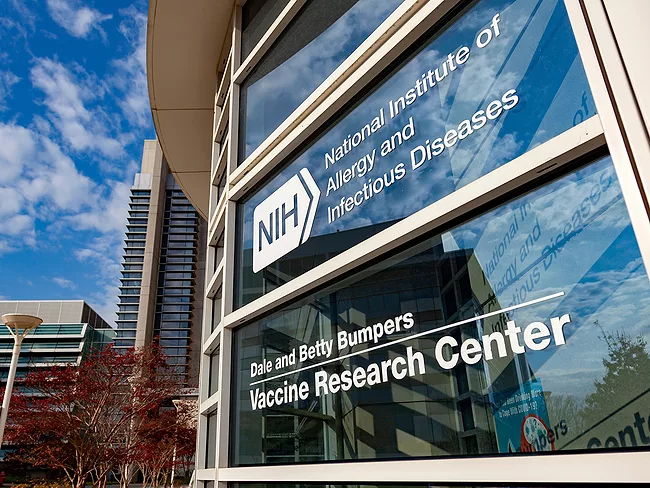
The U.S. NIH may be weathering the budget storm thanks to bipartisan congressional support, but another squall line is forming on the horizon over politicization of the research agency.
The good news is that the U.S. Congress is on track to pass a slate of fiscal 2026 spending bills before the current continuing resolution expires Jan. 30. So, barring any last-minute disputes or legislative hostage-taking, there should be no repeat of last year’s 43-day shutdown that impacted NIH grants and activities.
Software as a service has typically been less susceptible to liability than products, but that may soon come to an end if the AI LEAD Act, sponsored by a bipartisan pair of members of the Senate, gains sufficient traction.
After being unanimously passed by the U.S. House Dec. 1, the bipartisan Mikaela Naylon Give Kids a Chance Act seemed to be headed for sure passage in the Senate before it adjourned late last week.
“If at first you don’t succeed, try, try again” seems to be the motto of U.S. lawmakers – at least when it comes to the bipartisan Biosecure Act. After missing a ride last year in the must-pass annual defense spending bill, a version of the bill that seeks to protect the genetic data of Americans while securing U.S. pharmaceutical supply chains made it into the 2026 National Defense Authorization Act, which is now just a Senate vote away from becoming law.
“If at first you don’t succeed, try, try again” seems to be the motto of U.S. lawmakers – at least when it comes to the bipartisan Biosecure Act. After missing a ride last year in the must-pass annual defense spending bill, a version of the bill that seeks to protect the genetic data of Americans while securing U.S. pharmaceutical supply chains made it into the 2026 National Defense Authorization Act, which is now just a Senate vote away from becoming law.
The next stop on the comeback tour for the U.S. FDA’s Rare Pediatric Disease Priority Review Voucher program is the Senate, after the House unanimously passed the Mikaela Naylon Give Kids a Chance Act, H.R. 1262, Dec. 1.
U.S. and European organ-on-a-chip specialty biotechnology companies are driving development of organ-on-a-chip technologies, fueled by the U.S. FDA’s decision to phase out animal testing for investigational new drugs.
U.S. and European organ-on-a-chip specialty biotechnology companies are driving development of organ-on-a-chip technologies, fueled by the U.S. FDA’s decision to phase out animal testing for investigational new drugs.
 RSS
RSS