The Trump administration has made known that it intends to foster rapid adoption of AI, starting with a repeal of an executive order (EO) issued by the Biden administration. Now, the White House has issued an EO that would override state AI law, a move that addresses a task that Congress to date has failed to complete.
Zelluna ASA has submitted a clinical trial application (CTA) to the UK’s Medicines and Healthcare products Regulatory Agency (MHRA) for ZI-MA4-1 (ZIMA-101), the company’s lead candidate. ZI-MA4-1 is a novel MAGE-A4-targeting T-cell receptor-natural killer (TCR-NK) therapy.
The U.K. National Institute for Health and Care Excellence announced an increase in the cost effectiveness thresholds for its health technology assessment program, but this new threshold falls far short of where the figure should be when adjusting for inflation.
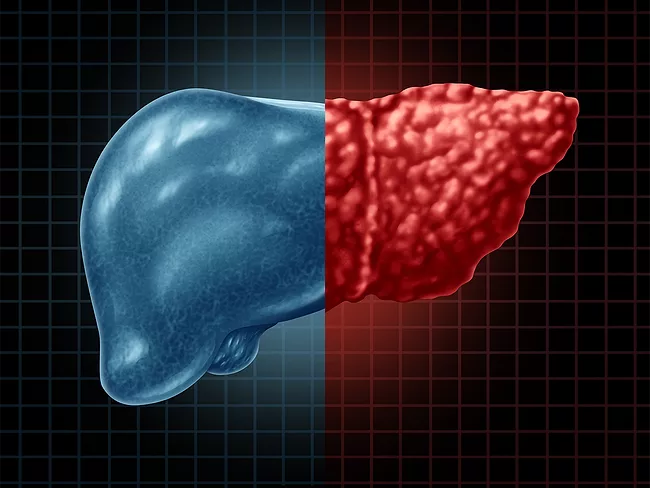
Tangram Therapeutics plc has submitted a clinical trial application (CTA) to the U.K.’s Medicines and Healthcare products Regulatory Agency (MHRA) to initiate a phase I/II trial of TGM-312 for metabolic dysfunction-associated steatohepatitis (MASH).
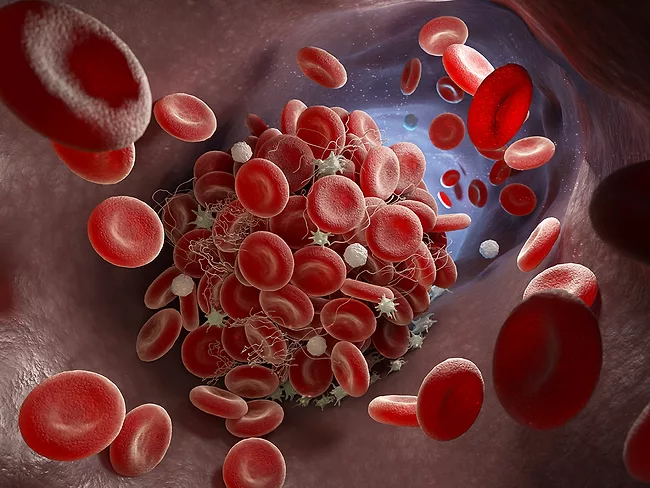
City Therapeutics Inc. has submitted a clinical trial application (CTA) to the U.K. Medicines and Healthcare Products Regulatory Agency (MHRA) to initiate a phase I study of CITY-FXI, an investigational RNAi therapeutic targeting factor XI (FXI) for the treatment of thromboembolic diseases.
The U.K. Medicines and Healthcare products Agency (MHRA) has committed to major reforms of how it regulates drugs for rare diseases, making it easier to run clinical trials and get approvals. The new rules will be published in full early in 2026 and come into effect later in the year, but following consultation with industry, academics and patients’ groups, the agency has released a position paper setting out its plans.
The U.K. Medicines and Healthcare Products Regulatory Agency reported the winners of the second phase of the AI Airlock challenge, which includes the Tortus AI, a medical scribe system developed by physicians in the U.K. National Health Service.
The U.K. Medicines and Healthcare Products Regulatory Agency (MHRA) reported that it will seek to deepen its collaboration with other regulators, a list that includes but is not limited to the FDA. MHRA said that the U.K.-U.S. reliance program would apply to not only class II devices under the 510(k) and de novo programs, but to class III PMA devices as well, promising a somewhat more streamlined path to a market ripe with opportunity for the devices and diagnostics industries.
The U.K. Medicines and Healthcare Products Regulatory Agency has decided to lean into personalized medicine with the adoption of the concept of a “preference zone” for determining when a therapy can and cannot be used for a specific patient, a concept that is liable to lead to more demanding postmarket surveillance.
The U.K. Medicines and Healthcare Products Regulatory Agency announced a new pilot program for modifications to clinical trials that allows for automatic approvals of those changes based on the risks those changes present.
 RSS
RSS