The ongoing controversy over the effectiveness of anti-amyloid drugs is about to get more heated, after a review of clinical trials showed statistically significant results do not read across to clinical benefit for patients with Alzheimer’s disease.
The U.S. confirmed the agreement in principle made last December to exempt U.K. pharmaceuticals from import tariffs, as the U.K government put its commitment to spend more on patented drugs into effect.
With incidence of kidney cancer rising in the U.K., the National Institute for Health and Care Excellence (NICE) published its first comprehensive guidelines for diagnosing and treating the disease.
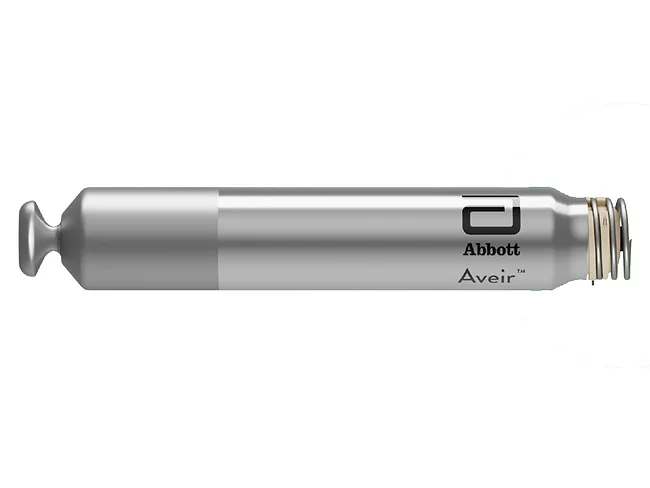
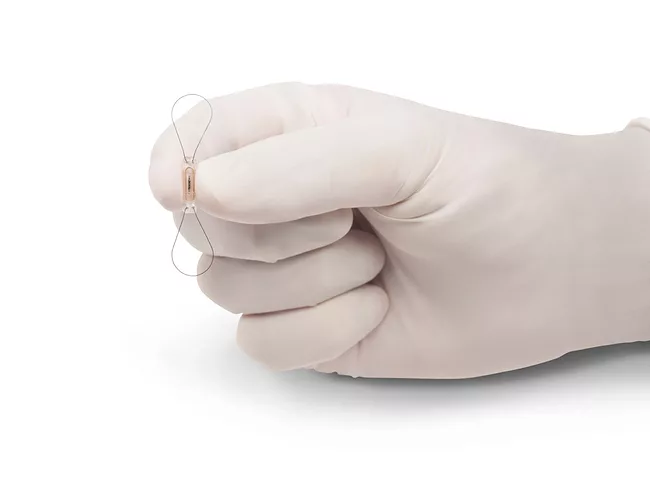
The U.K.’s National Institute for Health and Care Excellence (NICE) recommendation that leadless cardiac pacemakers be used as the standard of care for people with slow heart rhythms (bradyarrhythmias) is a boon for more than 2 million individuals living with the condition. The use of the technology will transform patients’ quality of life, reduce rates of infections and lower costs for the health care system.
The U.K.’s National Institute for Health and Care Excellence (NICE) has recommended the use of Abbott Laboratories’ Cardiomems HF system, giving people living with heart failure an option to monitor their condition daily from home. The implantable wireless sensor could transform care for individuals with the chronic condition as it will enable them to catch early warning signs before they escalate to medical emergencies.
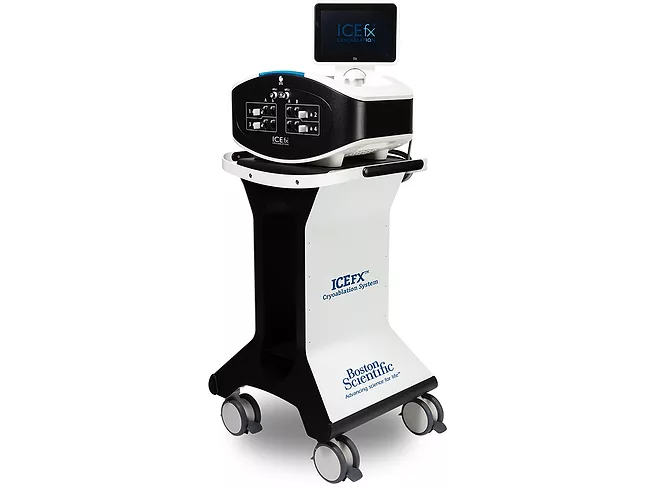
Cryoablation for Barrett’s esophagus is something of a novelty, and the U.K. National Institute of Health and Care Excellence is considering an endorsement of the treatment.
The U.K.’s National Institute for Health and Care Excellence is revisiting its policy for osteoporosis and may recommend that clinicians include vertebral fracture assessment with dual energy X-ray absorptiometry procedures.
The U.K. National Institute for Health and Care Excellence has offered a thumbs-up for eight digital technologies to help patients with asthma manage their conditions. The sponsors of these products have three years to turn out enough evidence to persuade NICE to fully endorse those products, after which these platforms could have access to a market of more than five million patients.
The U.K. National Institute for Health and Care Excellence posted a draft update on its recommendations for ovarian cancer testing, proposing several changes that may lead to earlier intervention in the ovarian cancer disease cycle.
Payers had their hands full in 2025 dealing with the raft of medical technologies that came through the globe’s regulatory review processes, although the nature of many of those challenges were conventional. On the other hand, payers struggled to keep pace with both the volume of conventional devices and the novelty of AI-driven devices in 2025, a problem that will carry over into the coming year.
 RSS
RSS