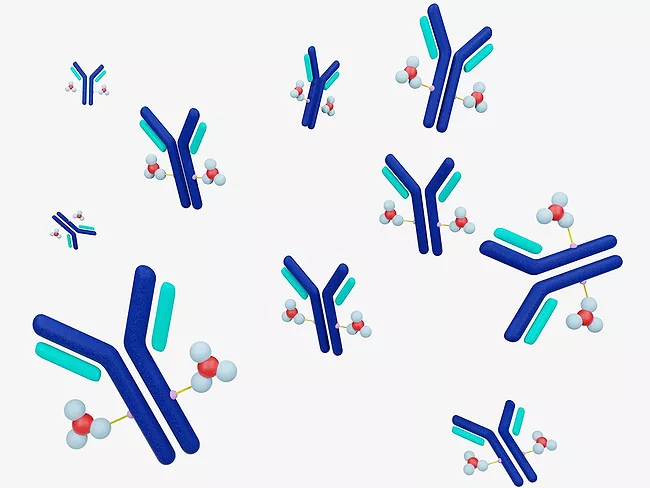
Glyconex Inc. has received approval from Japan’s Pharmaceuticals and Medical Devices Agency (PMDA) for the initiation of a first-in-human phase I trial of GNX-1021, the company’s lead antibody-drug conjugate (ADC) candidate, in patients with advanced gastrointestinal (GI) cancers.
For years, Japan’s “drug lag” was shorthand for slow regulatory reviews and delayed approvals compared with the U.S. and Europe. But even as regulatory timelines have shortened, review capacity has expanded and international alignment has improved, Japanese patients still face gaps in access to innovative drugs.
For years, Japan’s “drug lag” was shorthand for slow regulatory reviews and delayed approvals compared with the U.S. and Europe. But even as regulatory timelines have shortened, review capacity has expanded and international alignment has improved, Japanese patients still face gaps in access to innovative drugs.
Microsurgery is performed to connect small human vessels, but the technical difficulty required to conduct this type of surgery is quite specialized and limits the number of surgeons who can perform microsurgery.
Rakuten Medical Inc. raised $100 million in a series F round to support late-stage clinical development of ASP-1929, its Alluminox-derived photoimmunotherapy being tested with Keytruda (pembrolizumab) as a first-line treatment for recurrent head and neck cancer.
Japan has long been one of the premier markets for medical technology, but this market has suffered from a reputation for slow adoption of technologies outside the cardiovascular device space, a problem the Pharmaceuticals and Medical Devices Agency is keen to address.
Rakuten Medical Inc. is advancing a pipeline of solid tumor therapeutics built on its Alluminox platform worldwide, having gained conditional early approval of ASP-1929, an Alluminox-derived photoimmunotherapy, in Japan in 2020.
Japan’s Pharmaceuticals and Medical Devices Agency has traditionally been less than receptive to clinical data from other nations, but that aversion is slowly giving way. Ames Gross of Pacific Bridge Medical told BioWorld that a trial conducted in another nation with significant representation of those of Japanese ancestry can go a long way toward obviating the need for a trial conducted in Japan.
Japan’s Pharmaceuticals and Medical Devices Agency has traditionally been less than receptive to clinical data from other nations, but that aversion is slowly giving way. Ames Gross of Pacific Bridge Medical told BioWorld that a trial conducted in another nation with significant representation of those of Japanese ancestry can go a long way toward obviating the need for a trial conducted in Japan.
Latest findings on Healios K.K.’s stem cell therapy to treat acute respiratory distress syndrome (ARDS), coined Multistem (invimestrocel; HLCM-051), found the regenerative medicine effective in reducing the number of patient days on ventilator treatment, as well as mortality benefits.
 RSS
RSS