COVID-19 complications involve activated T cells that contribute to inflammation. Foralumab, a fully human anti-CD3 monoclonal antibody, targets the T-cell receptor and regulates T-cell function to suppress inflammation. In a pilot trial, foralumab reduced lung inflammation, serum IL-6 and C-reactive protein in cases of moderate COVID-19.
UT-Battelle LLC has divulged covalent nonstructural protein 3 (nsp3; PLpro) (SARS-CoV) inhibitors reported to be useful for the treatment of coronavirus acute respiratory syndrome.
Current prophylactic and therapeutic approaches for SARS-CoV-2 are effective, but the need for new approaches with broad activity makes virus-host interactions an essential piece to look at.
For COVID-19, the limited durability of vaccines requires multiple injections, and their effectiveness is continuously challenged by emerging new spike variants of the virus. The SARS-CoV-2 main protease Mpro plays a role in major polyprotein processing events and is essential for viral replication.
Nucleoside or nucleotide antivirals are a common first-line treatment for viral diseases, acting as direct inhibitors of viral replication and transcription. The nucleoside GS-441524 and its prodrug remdesivir have shown broad-spectrum antiviral activity against several virus families, including Flaviviridae, Filoviridae, Pneumoviridae, paramyxoviruses and Coronaviridae.
Pardes Biosciences Inc. has patented 3C-like proteinase (3CLpro; Mpro; nsp5) (SARS-CoV-2; COVID-19 virus) inhibitors reported to be useful for the treatment of viral infections.
Exevir Bio BV has announced research detailing a novel, highly potent, anti-S2 camelid single-domain antibody, discovered at the VIB-Ugent Center for Medical Biotechnology, and developed as a candidate drug molecule by Exevir as XVR-013.
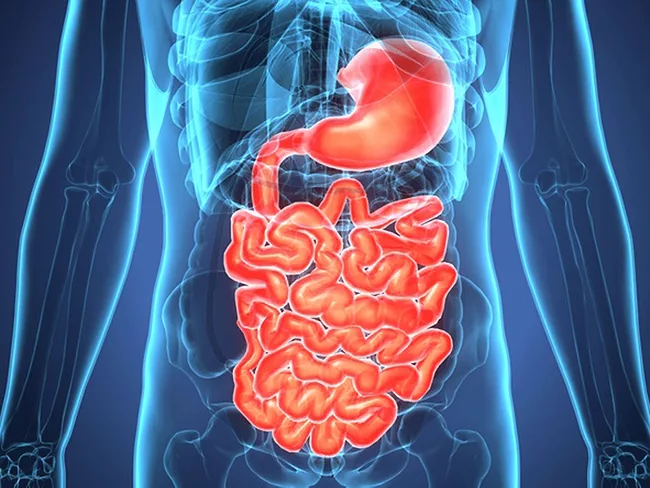
Researchers from Case Western Reserve University presented data from a study that aimed to investigate gut integrity, oxidized lipids and inflammatory markers associated with the pathogenesis of post-acute sequelae of COVID-19 (PASC).
 RSS
RSS