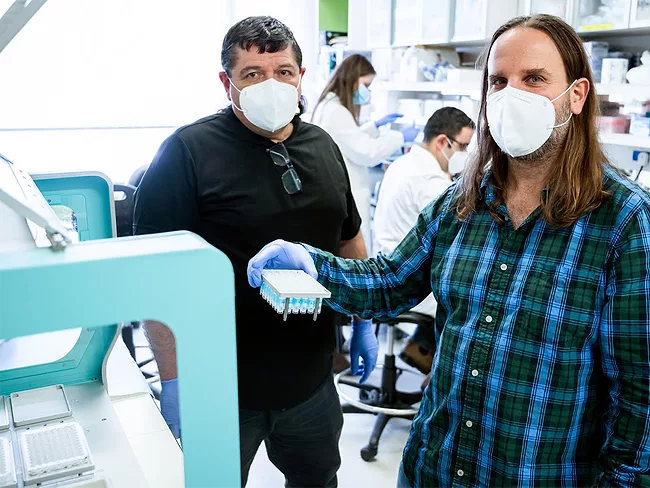
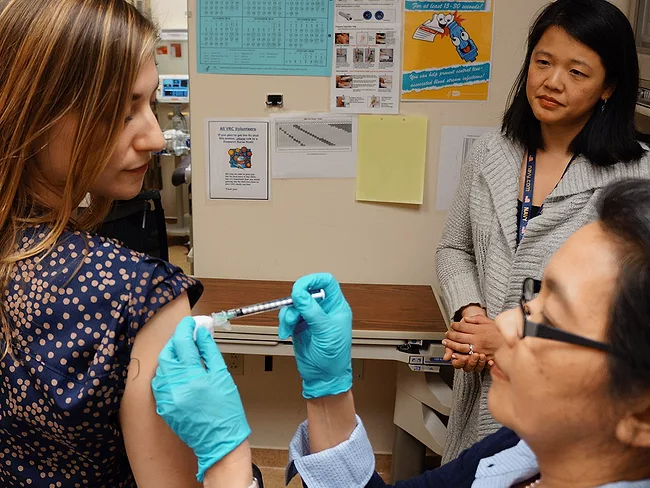
NEW DELHI – A COVID-19 diagnostic test kit developed by the Indian Institute of Technology (IIT) in New Delhi is the latest to join a growing pool of low-cost kits domestically developed in a country where the number of cases topped 2 million in August and continues to rise. The push to develop test kits domestically is part of a national effort to shake off a heavy dependence on imports of medical devices, including diagnostic kits.
The latest global regulatory news, changes and updates affecting medical devices and technologies, including: The American Medical Association, Obelisk Ventures, Philips, Quest Diagnostics.
Regulatory snapshots, including global submissions and approvals, clinical trial approvals and other regulatory decisions and designations: Ctl Amedica, Medtronic, Roche, T2 Biosystems, Transmed7.
The latest global regulatory news, changes and updates affecting medical devices and technologies, including: The International Contrast Ultrasound Society.
Med-tech happenings, including deals and partnerships, grants, preclinical data and other news in brief: Coghlin Companies, Cogmedix, Concord Medical, Dominion Aesthetics, Formsense, Genesis Medtech, Nowdiagnostics, Ontrak, Todos Medical.
Generex Biotechnology Corp.’s wholly owned subsidiary Nugenerex Health partnered with Worldwide Digitech (WWDT) LLC to create a 50/50 joint venture, Nugenhealth LLC. The new company will draw on WWDT’s software to develop an end-to-end software-as-a-service (SaaS) solution for chronic care management using remote patient monitoring.
Pooled testing was hailed early in the COVID-19 pandemic as a way to quickly and efficiently increase the number of people tested for the virus. But the approach has fallen short of its promise for a variety of reasons, from supply and labor shortages to high community infection rates. Now, a new testing method – recently approved for use by laboratories in Israel – could help chip away at some of those issues.
With COVID-19, questions about how infections cause lasting immunity, or don’t, and how you know and what it all means for vaccines have become a matter of public focus. But some immunologists have been pondering those questions for years. “The immune system has a very good memory,” Bali Pulendran told BioWorld. “Clearly, some viruses and some pathogens can enter the body and stimulate the immune system, and the immune system can remember that encounter for decades.”
 RSS
RSS