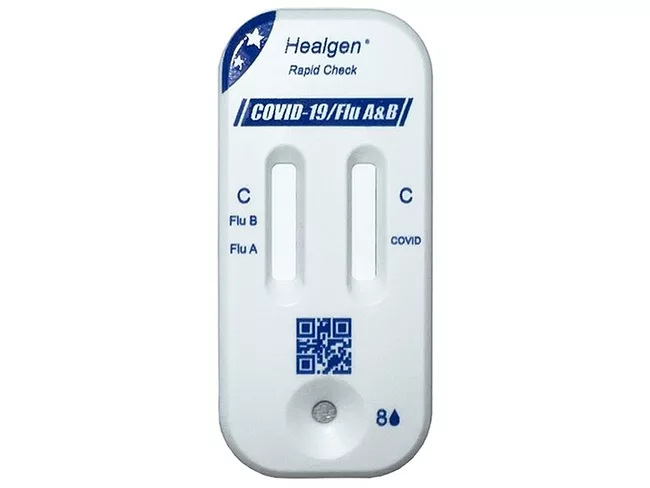
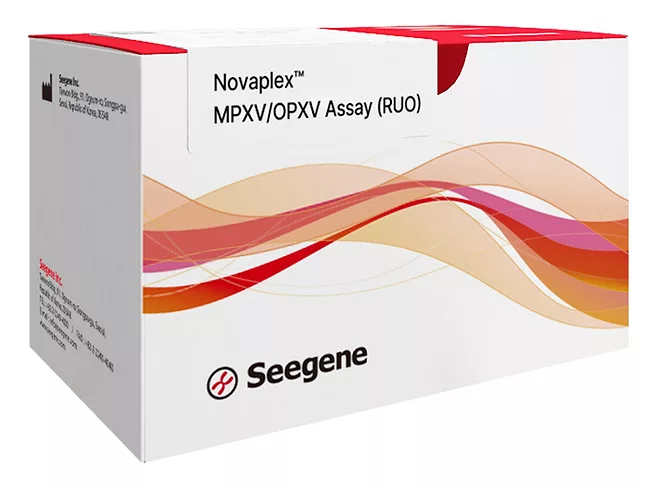
Shares of Chinese and South Korean med-tech companies continued to rise after the World Health Organization declared mpox a public health emergency of international concern Aug. 14 after recent outbreaks.
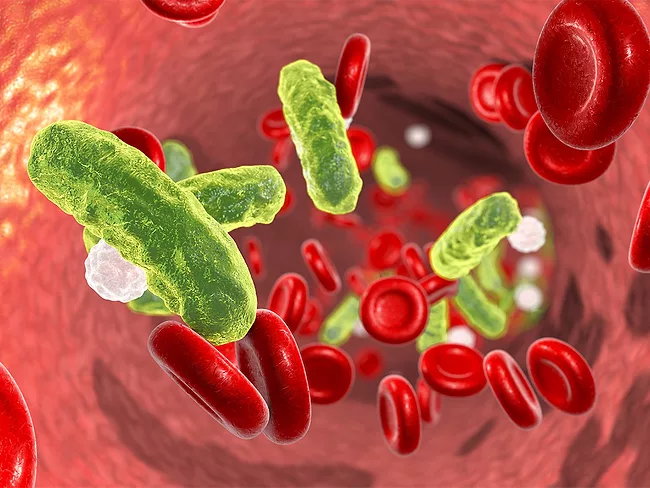
New research has pinpointed gene signatures that determine what immune responses will be activated in the development of sepsis, pointing to novel targets and opening the way for the stratification of clinical trials and for patients to be treated on the basis of their immune response, rather than their symptoms.
The U.S. Trade Representative (USTR) once again called out the usual cast of characters in this year’s Special 301 Report for not playing by the rules when it comes to protecting intellectual property. And once again, industry asked the USTR to go further by placing new players on the list.
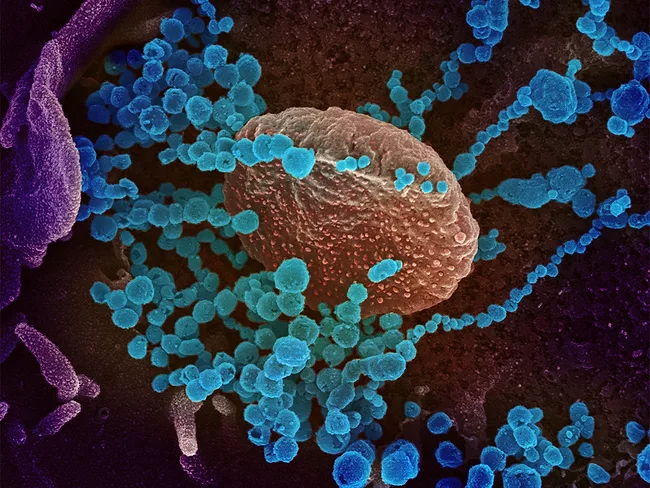
SARS-CoV-2 could proliferate in the lungs causing severe COVID-19 through a special type of immune cell. A group of scientists from Stanford University observed how this coronavirus infected interstitial macrophages through a CD209 receptor, triggering the inflammatory response observed in hospitalized patients.
Unless there’s a last-minute meeting of the minds, it looks like any extension of the World Trade Organization’s (WTO) five-year intellectual property waiver for COVID-19 vaccines will be shelved, at least for now.
COVID-19 severity remains open to several questions. Researchers at the University of California Los Angeles (UCLA) have revealed how SARS-CoV-2 causes acute inflammation instead of the symptoms of a common cold. This effect could be initiated by the peptide fragments of the coronavirus released when the host eliminates the virus, which can form pro-inflammatory complexes that trigger an amplified immune response.
Researchers at ETH Zurich have identified a proteomic signature that could recognize long COVID six months after acute infection. Biologically, the signature indicated that the complement system remained active in patients with long COVID six months after infection. Translationally, it could lead to a diagnostic test for long COVID, and suggests that targeting the complement system could be a therapeutic approach to prevent or treat the disorder.
An FDA culture that discourages scientific disagreement with U.S. administration policies may be a perennial problem regardless of the party in power. That’s one of the between-the-lines takeaways from a Jan. 3 letter the Republican leadership of the House Energy and Commerce Committee sent to FDA Commissioner Robert Califf – along with a stern warning that the agency had better respond in a timely manner.
Six months out from the World Health Organization ending the global health emergency brought on by the pandemic, there’s no need for the World Trade Organization to expand a five-year intellectual property (IP) waiver for vaccines to COVID-19-related drugs, devices and diagnostics.
 RSS
RSS