Keeping you up to date on recent developments in diagnostics, including: A simple point-of-care COVID-19 test; A deep-learning method to predict AMD risk; AP-1 and antidepressant action; Orasure collection device included in Miradx EUA.
The need for self-administered surveillance testing finally has a few candidates, thanks to labs and test developers across the globe, and the U.S. FDA is keen on exploiting the opening. Tim Stenzel, director of the FDA’s Office of In Vitro Diagnostics and Radiological Health, said on the agency’s Sept. 2 testing town hall that the agency is interested in a test intended to be self-administered multiple times compared to a test validated under a single test approach, a flexibility that may prove critical in advancing the U.S. approach to testing for the COVID-19 pandemic.
As the COVID-19 pandemic continues into the fall, Roche Group is planning to launch its latest tool later this month. And while its SARS-CoV-2 Rapid Antigen Test will be available in markets accepting the CE mark, the company is expecting the filing for emergency use authorization (EUA) from the U.S. FDA. Roche’s test is a rapid chromatographic immunoassay intended for the qualitative detection of a specific antigen of SARS-CoV-2 present in human nasopharynx.
Regulatory snapshots, including global submissions and approvals, clinical trial approvals and other regulatory decisions and designations: Biohit, Cardiac Dimensions, Detectachem, Exsomed, Pq Bypass, Tissue Regeneration Technologies.
TORONTO – Its Canadian medical device establishment licence now firmly in hand, Toronto-based Internet of Things Inc. (ITT) is set to launch a fever-detection system for identifying possible COVID-19 carriers at the entrances of airports, long term care facilities, schools and other places where people congregate. The Thermalpass is an AI-enabled, deep learning screening system that got its start as a road-related weather sensing system, today detecting elevated body temperature.
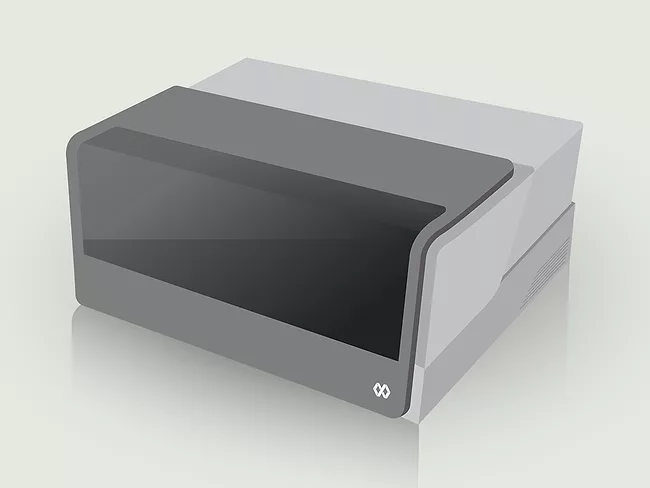
The idea of being able to produce vaccines at the point of care with the push of a button may sound futuristic, but Codex DNA Inc. claims it will have the first fully automated, tabletop vaccine printer ready for the market in 18-24 months. Will this be a game-changer in rolling out a COVID-19 vaccine? Probably not. But the technology could better position health officials to respond to the next pandemic, or eventually to produce a better, faster influenza vaccine each year.

 RSS
RSS