Researchers from Puhe Biopharma Co. Ltd. presented the discovery and preclinical evaluation of PH027-1, a novel small-molecule Werner syndrome protein (WRN) inhibitor targeting microsatellite instability high (MSI-H) tumors.
Myeloperoxidase-antineutrophil cytoplasmic antibody (MPO-ANCA)-associated vasculitis is a systemic condition affecting the small vessels with production of MPO-ANCA in serum. It has been suggested that the formation of neutrophil extracellular traps (NETs) induced by MPO-ANCA is a driver of pathogenesis, with involvement of neutrophil elastase (NE), which in turn is activated by the enzyme cathepsin C.
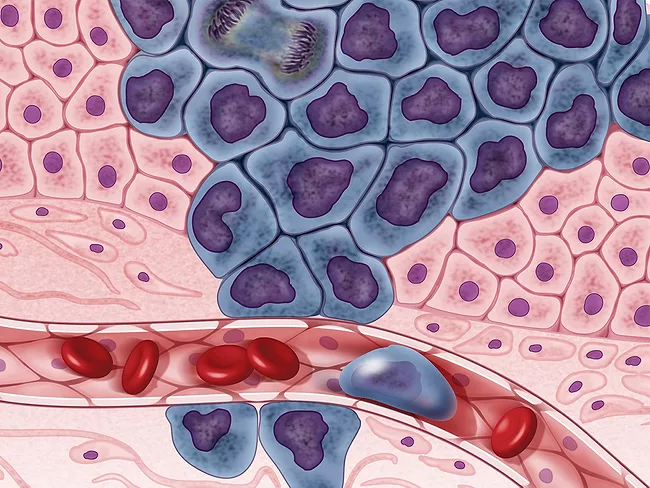
Prior to this year’s Annual Meeting of the American Association for Cancer Research (AACR), it had been 14 years since metastasis had been the subject of a plenary session. So, the Tuesday session on “Evolution of the genome, microenvironment, and host through metastasis” had plenty of new insights to share.
Obesity is a chronic disorder tied to other disorders such as hyperglycemia, type 2 diabetes or cardiovascular disease, among others. Recent findings have suggested that EphB tyrosine kinase receptor and its ligand, ephrin B, may be involved in insulin signaling.
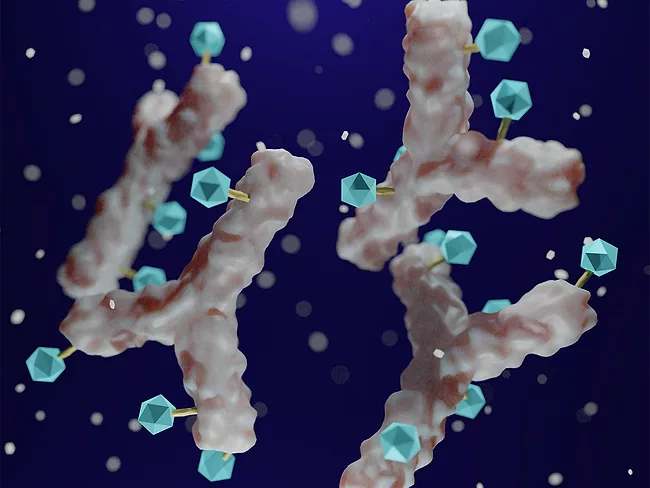
M-9140 (Merck KGaA) is an antibody-drug conjugate (ADC) that carries a DNA topoisomerase 1 (TOP1) inhibitor payload plus an antibody directed against carcinoembryonic antigen-related cell adhesion molecule 5 (CEACAM5). CEACAM5 is a cell surface protein that is overexpressed in colorectal cancer and other solid tumors.
Work at Escient Pharmaceuticals Inc. has led to the discovery of novel Mas-related G protein-coupled receptor member X4 (MRGPRX4) antagonists as potential therapeutic candidates for the treatment of cholestatic and uremic pruritus.
ABM Therapeutics Inc. presented a novel small-molecule, ATP-uncompetitive, phosphorylated MEK (pMEK) inhibitor – ABM-4095 – that potently prevents phosphorylation of MEK by RAF with moderate inhibition of MEK kinase activity; it is being investigated for the potential treatment of pancreatic cancer.
At the AACR meeting, Innovent Biologics Inc. discussed the discovery and preclinical evaluation of a B7-H3/EGFR bispecific antibody-drug conjugate (bsADC).
The formation of neutrophil extracellular traps (NETs) is a common feature in the renal glomeruli of patients with antineutrophil cytoplasmic autoantibody (ANCA) vasculitis. The use of a DNA repair antibody, such as PAT-DX-1 from Patrys Ltd., could inhibit NET formation by interfering with DNA damage responses in the neutrophil, which lead to the release of DNA.
Shasqi Inc. recently reported the discovery of novel candidates using their proprietary Click Activated Protodrugs Against Cancer (CAPAC) platform, which aims to selectively activate high doses of cancer drugs directly at the tumor site. To achieve this, CAPAC consists of two separate components: a tumor-targeted activator and an inactivated payload.
 RSS
RSS