Acetaminophen overdose is still a major cause of liver toxicity (acute liver failure, ALI) in Western countries. It occurs by accumulation of the toxic metabolite NAPQI and the subsequent mitochondrial oxidative stress mediated by pJNK translocation to the mitochondria.
Retinoids are derivatives of vitamin A that target the retinoid receptors and induce antiproliferative effects and cell death. George Washington University has tested a series of different retinoids, including alitretinoin, tazarotene and AM-80, also known as tamibarotene, for their efficacy against HIV-infected CD4+ T cells regarding their ability to enhance the cytotoxic effect of NK cells.
Investigators at Ileadbms Co. Ltd. have discovered a new cyclin-dependent kinase 12 (CDK12) and CDK13 inhibitor, IL6-110, which is being developed for the treatment of cancer.
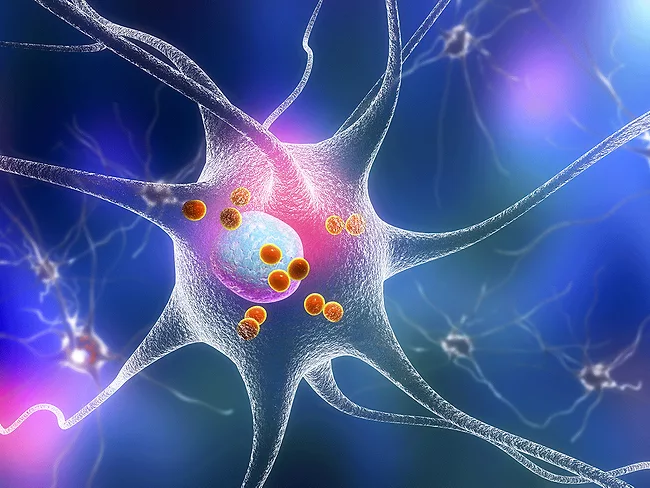
Alterations in mitochondrial dynamics are hallmarks of Parkinson’s disease (PD) and other neurodegenerative disorders such as Alzheimer’s disease (AD).
Mutations in the gene encoding calpain-3, CAPN3, are causative for autosomal recessive limb-girdle muscular dystrophy-1 (LGMDR1), a type of muscular dystrophy characterized by muscle weakening around the shoulders and hips for which there is currently no treatment.
Advances in understanding the processes underlying brain neurodegeneration have allowed lots of new treatment and prevention strategies to begin to flourish. Several presentations at the 2024 Alzheimer’s & Parkinson’s Diseases Conference recently held in Lisbon reflect that eyes are now on some individuals who, despite showing pathological signs in their brains, stay cognitively healthy across several endogenous mechanisms of resilience.
In a new study, researchers from Harvard Medical School and Regulus Therapeutics Inc. further investigated the role of miR-155 in Alzheimer's disease (AD).
TET2 is a master epigenetic enzyme that converts 5-methylcytosine (5-mC) to 5-hydroxymethylcytosine (5-hmC), reprograming tumor cells and causing them to enter a dormant state.
Hidradenitis suppurativa (HS) is an inflammatory skin disease with significant diagnostic delay. Type XXII collagen is a fibrillar collagen located in the skin epidermis. Reliable biomarkers to aid in the diagnosis of HS and monitor the severity of disease are needed.

 RSS
RSS