Nicorandil is a potent K(ATP) channel activator and a sulfonylurea receptor 2 (SUR2) selective agonist launched for the treatment of angina pectoris. Nicorandil binds to ATP-sensitive KATP channels in the mitochondrial inner membrane to preserve mitochondrial function during ischemia.
Frontotemporal dementia (FTG-GRN) is a fatal neurodegenerative disease caused by heterozygous mutations in the GRN gene, encoding progranulin (PRGN). Researchers at Arkuda Therapeutics Inc. reported on ARKD-104, a novel potent orally bioavailable PGRN-enhancing compound that increased PRGN secretion and lysosomal granulins in multiple relevant cell lines.
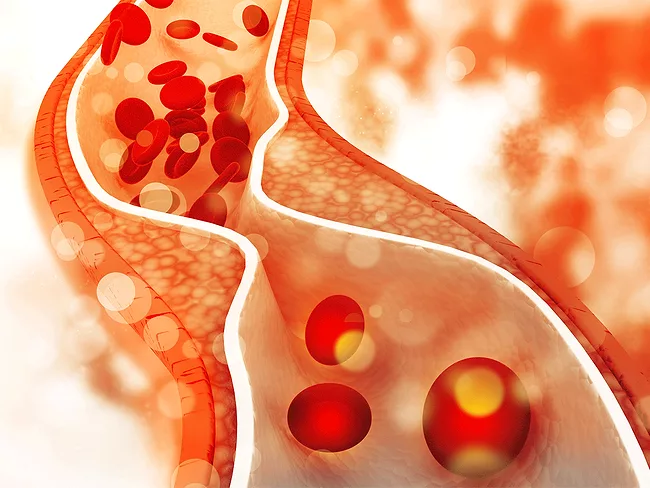
Merck & Co. revealed the structure of an orally active and potent proprotein convertase subtilisin/kexin-type 9 (PCSK9) inhibitor macrocyclic peptide, MK-0616, which is being developed for the potential treatment of hypercholesterolemia and atherosclerosis.
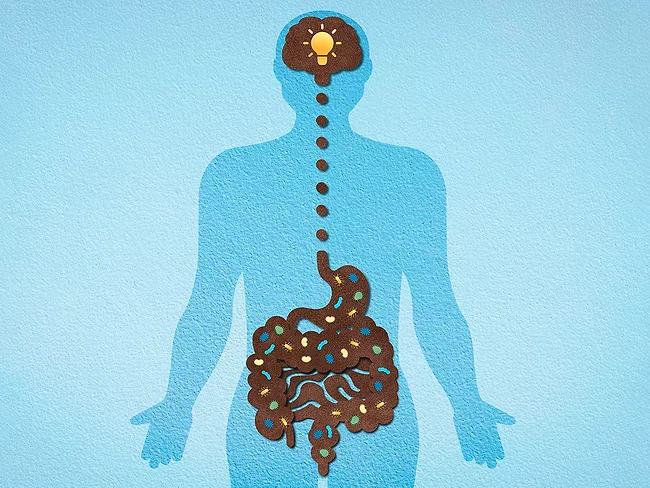
The accumulation of α-synuclein fibrils in the brain is the primary pathogenic hallmark in Parkinson’s disease (PD), the second most prevalent neurodegenerative disorder. Current therapies are mainly focused on late-stage symptoms and hence there is a need to find therapies tackling the disease at early stages. Recent studies validate that gut microbiome of PD patients as different from the one of healthy people.
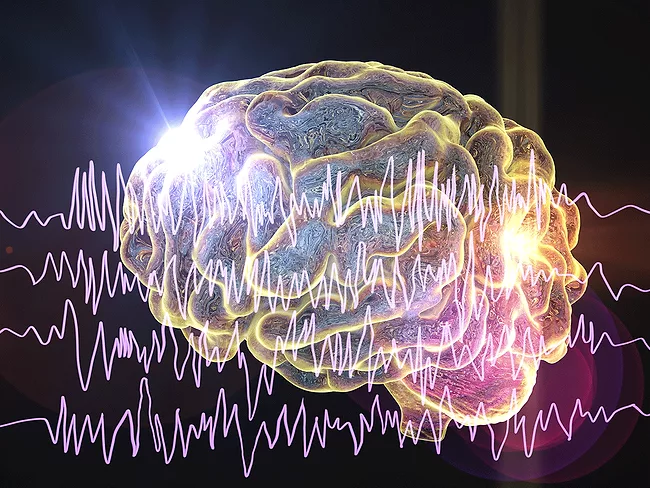
One of the features associated with early-stage Parkinson’s disease (PD) diagnosis is the presence of cognitive impairment. Other neurological conditions such as dementia, synucleopathies or amyloid disorders share the same impact on mental deterioration where the disruption of frontal-subcortical circuits is involved.
Liver glycogen storage disease type IX (GSD IX) accounts for 25% for all GSD cases, with a prevalence of 1 out of 100,000 patients. GSD IX is caused by deficiency in phosphorylase kinase (PhK), which is comprised of four subunits (α2, β, δ and γ2), with γ2 being the catalytic domain.
 RSS
RSS