GSK plc scientists have presented findings from studies on the therapeutic potential of GSK-5862611, an anti-Sortilin antibody, in addressing neurodegenerative disease mechanisms linked to the TDP43 G298S mutation.
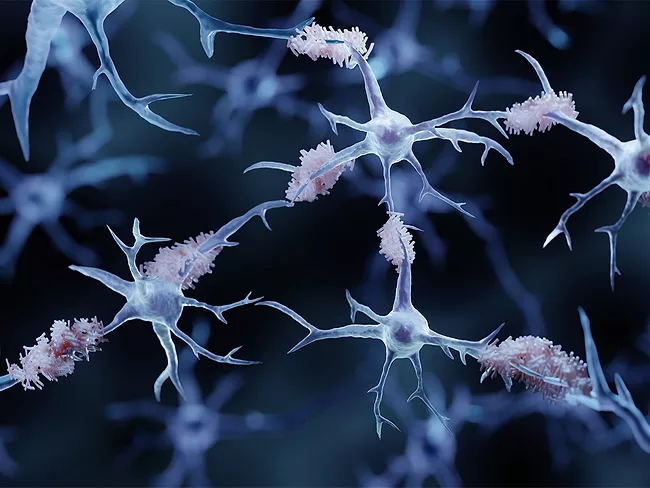
Investigators at Yonsei University have reported findings from studies conducted to identify small molecules capable of disaggregating amyloid-β42 (Aβ42) aggregates, a hallmark of Alzheimer’s disease.
Dysregulation of cholinergic neurotransmission through muscarinic receptors, particularly the M1 and M4 subtypes, has been implicated in the pathophysiology of schizophrenia. Muscarinic M4 receptor agonists and positive allosteric modulators (PAMs) have demonstrated the ability to modulate the disrupted neural circuits associated with this disorder.
Researchers from Insmed Inc. presented findings on INM-901, a novel synthetic cannabinoid analogue, demonstrating its effects in the 5xFAD mouse model of Alzheimer’s disease. Alzheimer’s disease is a progressive neurodegenerative disorder characterized by cognitive decline and sensorimotor impairments, with no available treatments that effectively halt disease progression.
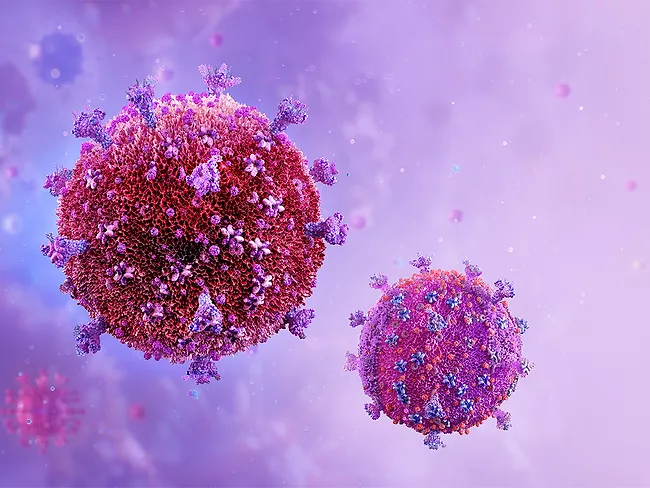
We all look different to HIV, a virus that destroys the immune system. The defensive cells record every interaction with foreign agents, infections from viruses and bacteria, but also with mechanisms occurring within the body, such as microbiome metabolism, the effects of aging, or the development of diseases. At a preconference session at the 13th IAS Conference on HIV Science (IAS 2025), scientists explained the interactions of different microorganisms with HIV.
Graves disease (GD)-associated hyperthyroidism is an autoimmune disorder characterized by the presence of autoantibodies that stimulate the thyroid-stimulating hormone receptor (TSHR), leading to excessive production of thyroid hormones.
There is still no effective vaccine or cure for HIV. Scientists are considering options ranging from longer-term antiretroviral therapy (ART) that space out injections by several years to long-lasting pre-exposure prophylaxis (PrEP) that acts as a vaccine while immunization is achieved. What else can be done? The “Innovations in HIV virology: Translating discoveries into novel therapies” symposium in basic science at the 13th IAS Conference on HIV Science (IAS 2025), which took place from July 13 to 17, 2025, in Kigali, Rwanda, showcased some of the new ideas that the scientific community are developing.
Incretin-based therapies have demonstrated substantial efficacy in the treatment of metabolic diseases such as obesity and type 2 diabetes but the need for frequent injections remains a major barrier to patient adherence and comfort.
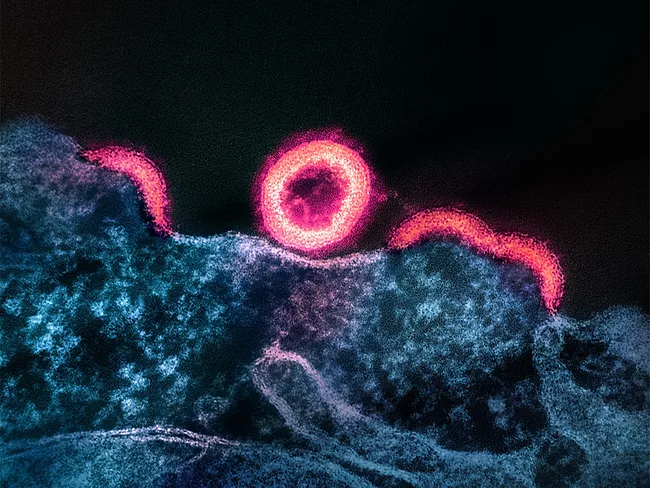
While people living with HIV can lead virtually normal lives thanks to antiretroviral therapy (ART), HIV persists in a latent state within cellular reservoirs that scientists do not know how to eliminate. “Transcription is a critical step in the viral life cycle. … But there are currently no drugs suppressing HIV transcription, and that may be one of the reasons why current antiretroviral therapy is not curative,” Melanie Ott told the audience at the 13th IAS Conference on HIV Science this week in Kigali, Rwanda.
 RSS
RSS