AGEN-1721 was designed as an Fc-enhanced bifunctional antibody to selectively target FAP and neutralize TGF-β via an optimized TGF-βR2 TRAP moiety fused to an engineered Fc region, with the aim of maximizing effector functions.
Researchers from SL Bigen Inc. and collaborators presented the preclinical characterization of BM-205, a novel entity of engineered MSCs designed to exert antitumor functions.
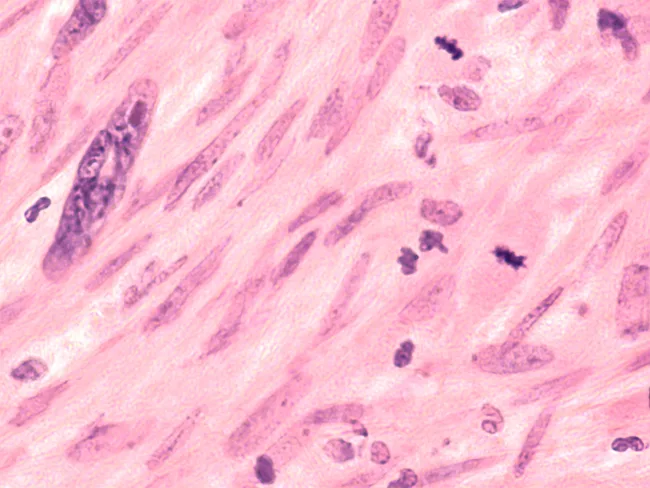
Investigators from the University of Turin have developed and characterized a new murine immunocompetent model of Usp18-knockout leiomyosarcoma (LMS). LMS is a rare malignant soft tissue cancer with limited therapeutic options when in advanced stages.
Compared to normal tissues, where the expression of ULBP2/5/6 protein is restricted, in non-small-cell lung cancer (NSCLC), head and neck cancer and squamous urothelial carcinoma, the levels of ULBP2/5/6 remain high even following relapse from standard-of-care therapies and is retained in metastatic lesions. Besides, these squamous cell cancers showed a high proportion of CD2+ tumor-infiltrating lymphocytes compared to other co-stimulatory receptors.
Investigators from Duke University hypothesized that hirudin-like protease inhibitors could be generated by linking exosite-binding aptamers with small-molecule active site inhibitors, thus generating more potent “EXACT” inhibitors.
NLRP3 inflammasome activation, pro-inflammatory cytokine production and pyroptosis are key features of inflammation that contribute to liver fibrosis progression, cirrhosis and end-stage liver failure. Pyroptosis, a lytic form of inflammatory-regulated cell death, is regulated by multiprotein complexes expressed in both parenchymal and nonparenchymal hepatic cells. Researchers from Genfit SA presented preclinical efficacy data on CLM-022, a synthetic pentacyclic triterpenoid derivative designed to target the NLRP3 complex.
Seismic Therapeutic Inc.'s S-1117 was designed as a pan-IgG protease fused to an effector function silent human IgG1 Fc domain. The candidate, being developed for the treatment of autoantibody-mediated diseases, was engineered for chronic subcutaneous administration using a proprietary machine learning-enabled platform, with the aim of reducing immunogenicity while maintaining potency.
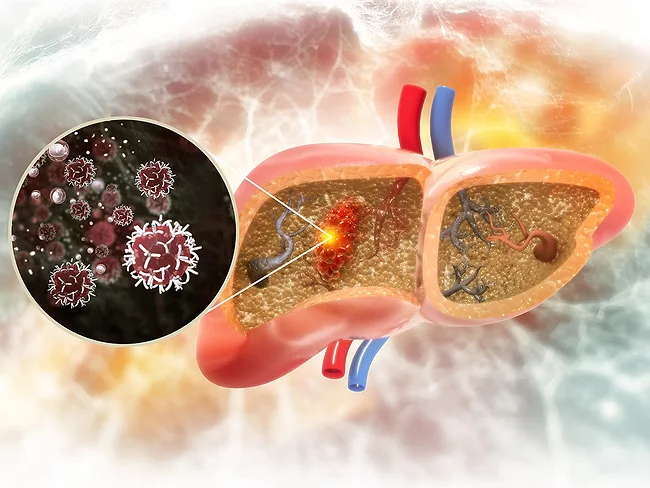
Researchers from Astrazeneca plc presented the discovery and preclinical characterization of AZD-9793, a novel CD8-guided T-cell engager (TCE) being developed for the treatment of hepatocellular carcinoma (HCC).
Researchers from Pyxis Oncology Inc. presented preclinical data for PYX-201, an antibody drug conjugate (ADC) that targets extra domain B of fibronectin (EDB+FN).
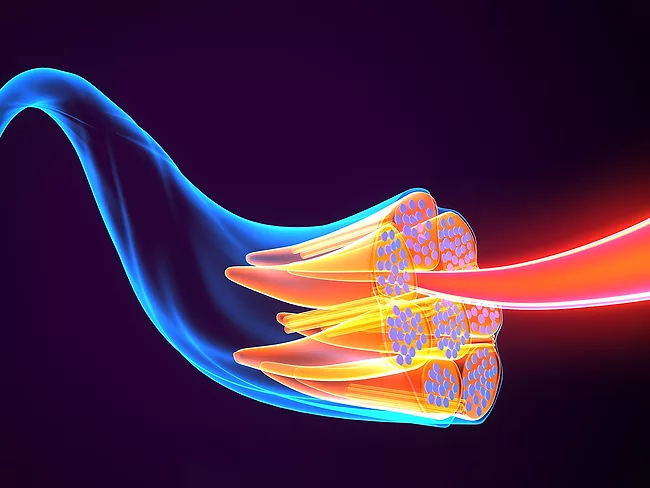
At the Breakthroughs in Muscular Dystrophy special meeting held in Chicago Nov. 19-20, 2024, and organized by the American Society of Gene & Cell Therapy (ASGCT), multiple interventions at the RNA level were among the approaches that were presented to fight muscular dystrophies.

 RSS
RSS