Metastatic solid tumors may be curable now. Among the most profound results presented over the weekend at the European Society for Medical Oncology (ESMO) 2024 Congress were the 10-year data from the Checkmate-067 and Keynote-006 trials, the phase III trials that tested Opdivo (nivolumab, Bristol Myers Squibb Co.) and Keytruda (pembrolizumab, Merck & Co. Inc.) as first-line agents in advanced or metastatic melanoma.
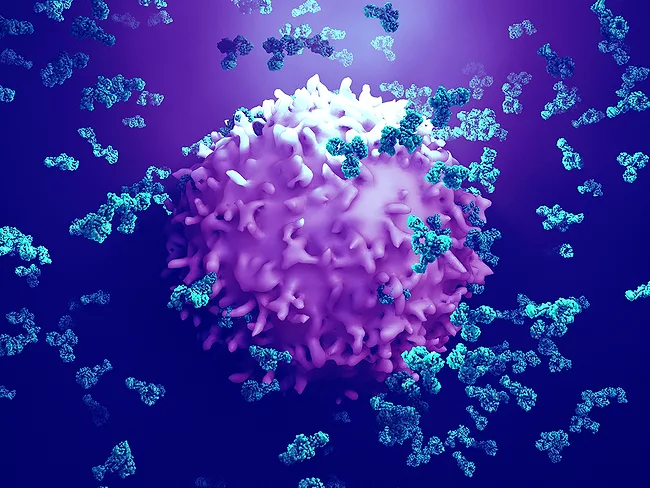
Researchers from Sensei Biotherapeutics Inc. presented preclinical data for the novel CD28xVISTA bispecific antibody (BsAb), SNS-201, being developed for the treatment of prostate cancer.
Tankyrases (TNKS) are involved in relevant cellular functions such as telomere maintenance or Wnt signaling, and their inhibition may be a potential treatment strategy for the management of hyperproliferative disorders because it counteracts profibrotic changes and blocks the synthesis of extracellular matrix proteins.
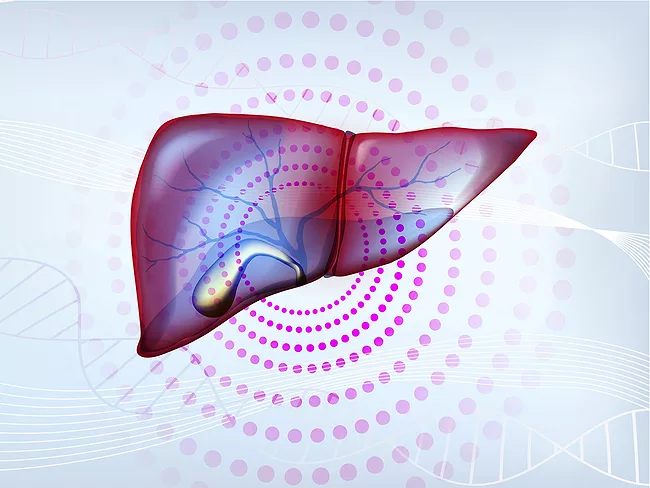
Researchers from Janssen Research & Development LLC presented preclinical data for JNJ-75220795 (ARO-PNPLA3), a GalNAc-conjugated small interfering RNA (siRNA) therapeutic targeting the PNPLA3 gene, being developed for the treatment of metabolic dysfunction-associated steatohepatitis (MASH).
Incretins are not just metabolic hormones that regulate glucose levels after eating. Their functions go beyond stimulating the release of insulin from the pancreas. Glucagon-like peptide-1 (GLP-1) and glucose-dependent insulinotropic polypeptide (GIP), the two main incretins, have receptors and effects in different organs, including the heart, brain, bone and kidneys. Even if they do not directly play those keys, other organs such as the liver and muscle receive signals from the same score and join the orchestra.
Researchers from Japan Tobacco Inc. presented the discovery and preclinical characterization of novel highly potent Keap1-Nrf2 protein-protein interaction (PPI) inhibitors.
Neuroinflammation underlies neurodegeneration in Alzheimer’s disease (AD) and other brain disorders. The stimulation of nicotinic α7 receptors, involved in the regulation of neuroinflammation, has shown efficacy in improving memory and learning in AD models.
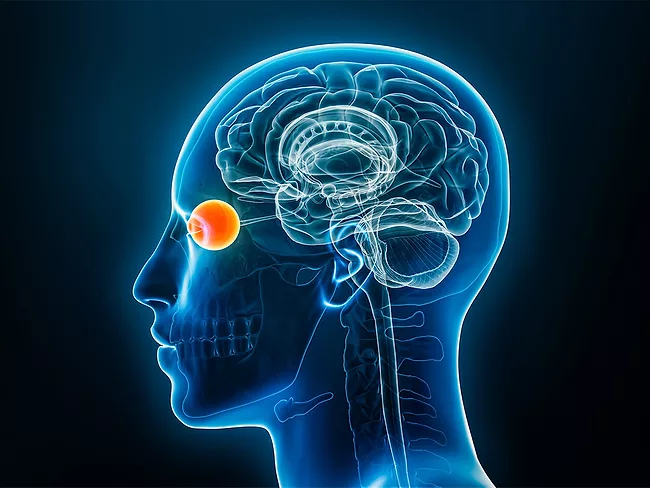
A novel gene therapy that leads to cellular rejuvenation could restore vision after non-arteritic anterior ischemic optic neuropathy (NAION) and glaucoma. The technique is based on a reprogramming process that reverses the epigenetic DNA alterations caused by aging. Preclinical studies in glaucoma mice and nonhuman primates (NHP) models for this stroke-like disorder that affects the eye, showed an improvement of vision and restoration of the damaged axons of the optic nerve.
Astrazeneca plc recently provided details on the discovery of the potent, direct and selective NLPR3 inflammasome inhibitor AZD-4144 for the treatment of inflammatory diseases.
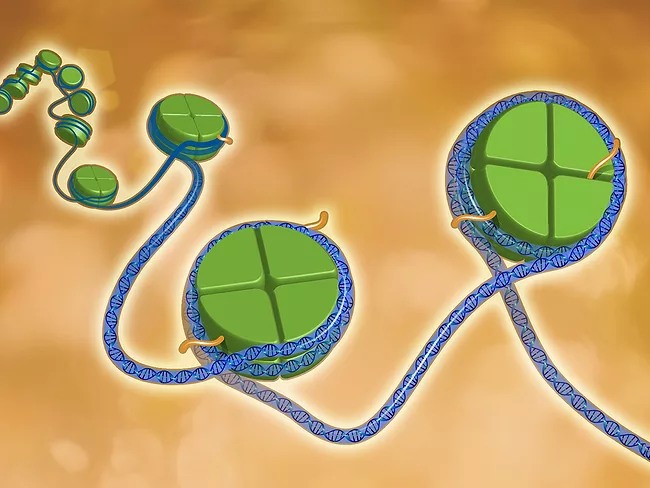
Researchers from Chroma Medicine Inc. presented preclinical data for the novel PCSK9-targeted epigenetic editor (PCSK9-EE) being developed as cardiovascular therapy for the reduction of low-density lipoprotein cholesterol.
 RSS
RSS