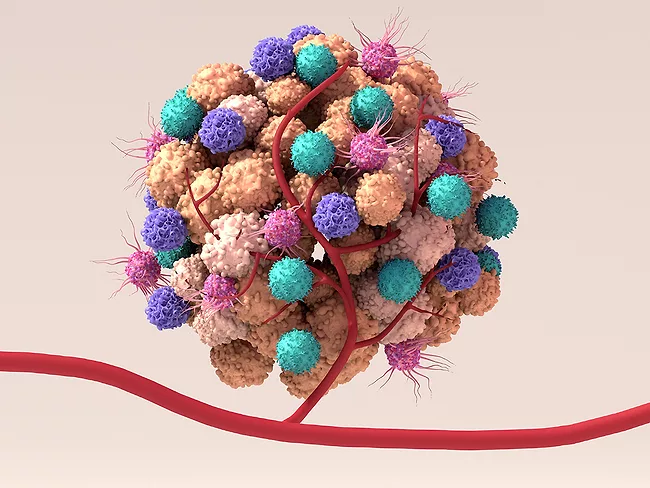
Blueprint Medicines Corp. has synthesized EGFR (HER1; erbB1) inhibitors reported to be useful for the treatment of cancer, particularly non-small-cell lung cancer.
Shenzhen Maxinovel Pharmaceuticals Co. Ltd. has disclosed proteolysis targeting chimeras (PROTACs) comprising a cereblon E3 ubiquitin ligase binding moiety covalently bonded to a Wee1-like protein kinase (Wee1)-targeting moiety through a linker.
The FDA has awarded U.S. orphan drug designation and rare pediatric disease designation to Huidagene Therapeutics Co. Ltd.’s HG-204 (AAV-hfCas13Y-gMECP2), an RNA editing therapy based on CRISPR/Cas13Y, for the treatment of methyl-CpG binding protein 2 (MeCP2) duplication syndrome (MDS).
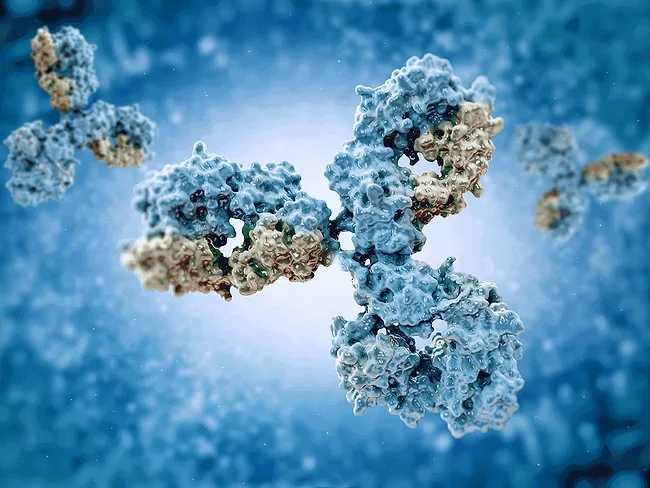
Ibio Inc. has expanded its artificial intelligence (AI)-powered technology offering with the launch of Shieldtx, an antibody masking technology designed to enable specific, highly targeted antibody delivery to diseased tissue without harming healthy tissue.
Engine Biosciences Pte. Ltd. has completed a $27 million series A extension to support the progression of the company’s biomarker and target discoveries toward the clinic through internal development, collaborations and partnerships.
Researchers from Taisho Pharmaceutical Co. Ltd. have discovered new heparanase-1 (HPSE1) inhibitors for the treatment of cancer and proteinuric kidney diseases.
Virpax Pharmaceuticals Inc. expects to submit an IND application for Envelta (MET-LENK) around the middle of next year following review of comments made by the FDA on the company’s pre-IND submission. If successful, first-in-human trials would also be expected to begin around the middle of the year.
Researchers from Medigene AG recently presented the discovery and preclinical evaluation of first-in-class, third-generation T-cell receptor T-cell (TCR-T) therapies, MDG-1015 and MDG-2011.
In work conducted at China Pharmaceutical University, synthesis and optimization of a new series of cyclin-dependent kinase 9 (CDK9) inhibitors bearing a flavonoid scaffold led to the identification of compound [I] as the lead candidate, with IC50 of 6.7 nM for CDK9 and >80-fold selectivity over CDK2 and most other CDK family members.
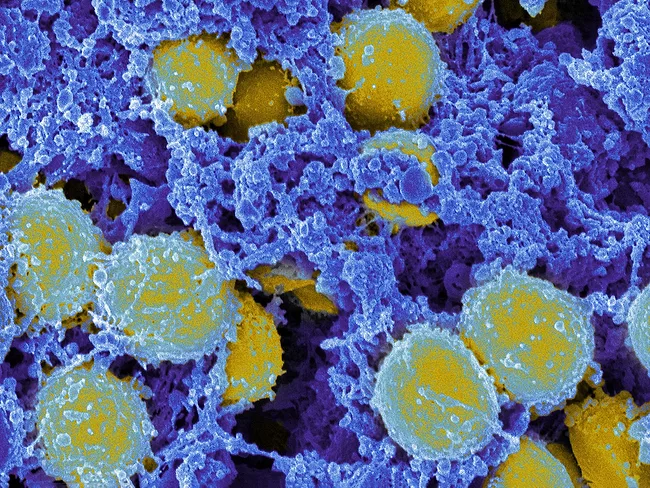
Antibiotic resistance represents a global threat that leads to high morbidity and mortality. There is an urgent need for new strategies to combat persistent and resistant bacteria.

 RSS
RSS