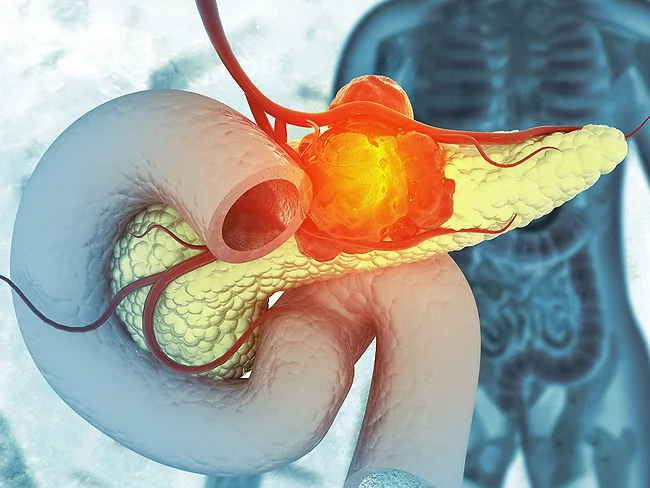
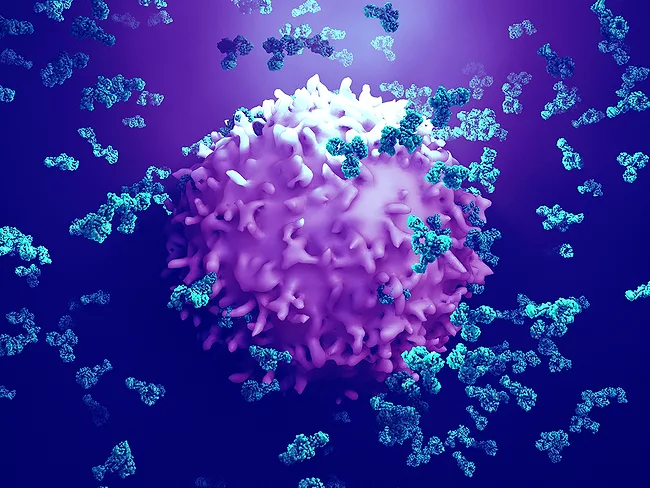
Some strategies seek to alter molecular mechanisms that can redirect the programmed death of tumor cells. If you can’t selectively eliminate them or stop their proliferation, ask them to die, but don’t tell any other cells. That is the idea proposed by a group of researchers participating in a Chinese-American collaboration for the design of the new drug N6F11. In a mouse model, the compound caused death by ferroptosis only of cancer cells without altering immune cells.
Researchers from Genequantum Healthcare (Suzhou) Co. Ltd. have presented the first preclinical data on GQ-1007, an antibody immune agonist conjugate (AIAC) targeting HER2, for the treatment of cancer. GQ-1007 is an anti-HER2 antibody conjugated via Genequantum’s highly stable linker and enzymatic conjugation technology to a Toll-like receptor 7/8 (TLR7/8) agonist.
Chong Kun Dang Pharmaceutical Corp. has described histone deacetylase 6 (HDAC6) inhibitors reported to be useful for the treatment of cancer, inflammation, neurodegeneration, autoimmune and neurological disorders.
Biolexis Therapeutics Inc. has divulged CDK9/cyclin T1 inhibitors reported to be useful for the treatment of cancer, inflammation and autoimmune disease.
North Carolina State University has synthesized vancomycin derivatives containing a 2,3-pyrrolidinedione moiety and reported to be useful for the treatment of bacterial infections.
Previous studies have identified a homozygous CDK9 variant in five different families (four Arabic and one Japanese) with CHARGE syndrome, suggesting that CDK9 could be a causative gene in autosomal recessive CHARGE-like syndrome. Researchers from the University of Kuwait and affiliated organizations thus aimed to further investigate this disease-gene association.
Briacell Therapeutics Corp. has received IND clearance from the FDA to begin clinical studies with Bria-OTS, the first generation of the company’s personalized off-the-shelf cellular immunotherapy for breast cancer.
CSPC Pharmaceutical Group Ltd.’s SYS-6011 has been cleared by China’s National Medical Products Administration (NMPA) to enter clinical trials in China for solid tumors.
 RSS
RSS