Chongqing Fochon Pharmaceuticals Co. Ltd. has divulged apoptosis regulator Bcl-2 inhibitors reported to be useful for the treatment of cancer, Addison’s disease, allergy, asthma, atherosclerosis, ankylosing spondylitis, Alzheimer’s disease and systemic lupus erythematosus, among others.
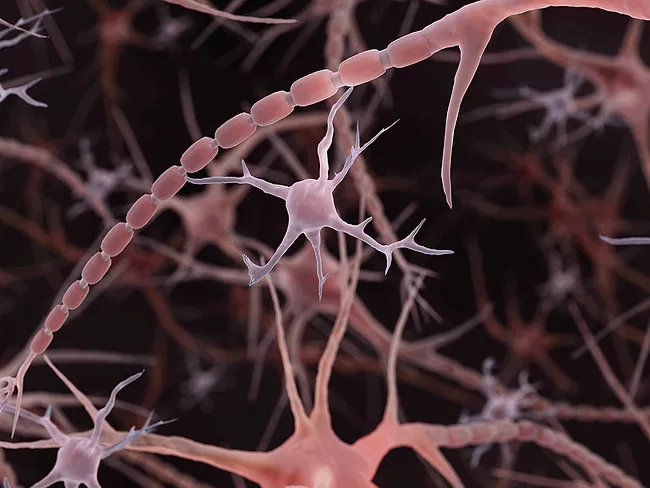
Charcot-Marie-Tooth disease (CMT) is a group of neuropathies characterized by sensory and motor dysfunction that progress with aging. It is considered that about 60% of the axonal forms of the disease, such as CMT2, remain genetically undiagnosed.
Ether lipids (EL) are glycerophospholipids with a different structure and functional characteristics than fatty acids, thus requiring a specialized biosynthesis pathway. Peroxisomal fatty acyl-CoA reductase 1 (FAR1) is a rate-limiting enzyme for ether lipid synthesis, with mutations associated with a rare human disease. Moreover, altered EL homeostasis has been observed in various prevalent human diseases.
While microglia constitute the immune cells of the brain, their potential role in the early development of neuronal circuitry is poorly understood. Investigators at the Karolinska Institutet, together with eight other institutions, characterized an anatomically distinct microglial cell population identified as expressing the arginase-1 (ARG1) enzyme.
Treatment failure after repeated administration of cisplatin, one of the most used cancer chemotherapeutics, is due to either development of treatment resistance or chemotherapy-induced neuropathic pain.
Xtalpi Inc. has entered into an artificial intelligence (AI) drug discovery collaboration with Eli Lilly & Co. The collaboration, valued at up to $250 million in upfront and milestone payments, will leverage Xtalpi’s integrated AI capabilities and robotics platform to de novo design and deliver drug candidates for an undisclosed target. Xtalpi seeks to deliver a novel compound, which Lilly will pursue in clinical and commercial development.