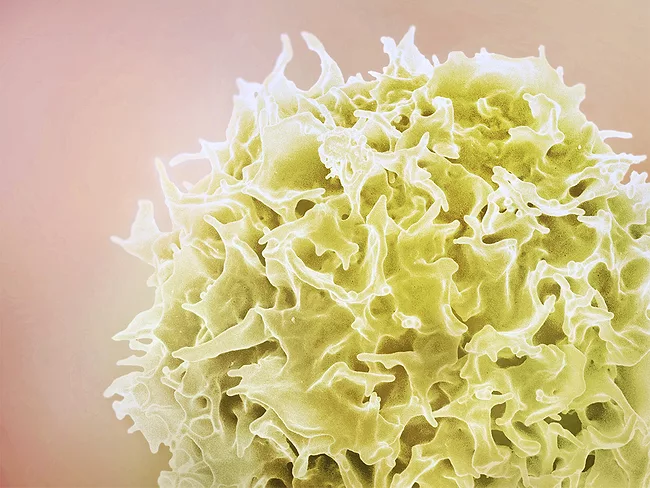
Globally, over half of people living with HIV are women. But in clinical cure trials, they make up only about 20% of participants. And that gender imbalance is causing researchers to miss out on ways to improve cure strategies. Because women’s immune systems appear to be better at controlling HIV infection in a way that silences the reservoir – the provirus integrated into host cells in infected persons.
Globally, over half of people living with HIV are women. But in clinical cure trials, they make up only about 20% of participants. And that gender imbalance is causing researchers to miss out on ways to improve cure strategies. Because women’s immune systems appear to be better at controlling HIV infection in a way that silences the reservoir – the provirus integrated into host cells in infected persons.
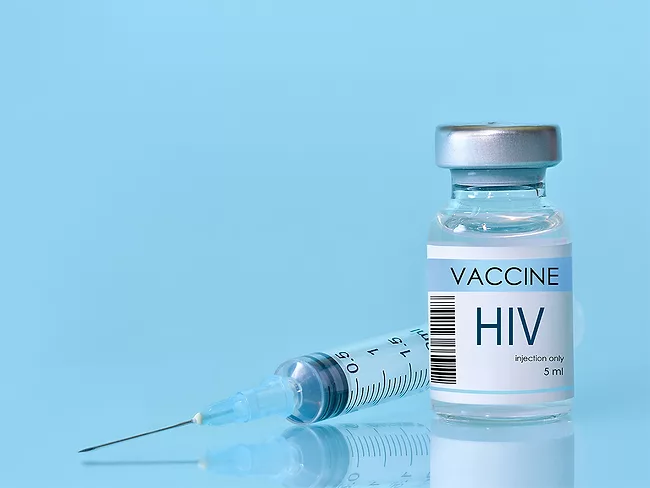
The National Institute of Allergy and Infectious Diseases (NIAID) has awarded a 5-year $20.8 million grant to a multi-institutional team led by Weill Cornell Medicine investigators for advanced preclinical development of a promising experimental HIV vaccine.
Nucleoside reverse transcriptase translocation inhibitors (NRTTIs) are a novel class of antiretroviral agents that inhibit HIV replication by targeting the viral reverse transcriptase enzyme and specifically blocking its translocation step during DNA synthesis, a critical process in the viral replication cycle.
In August, a press release from HHS announced the cancellation of 22 vaccine research projects based on mRNA, the latest available technology aimed at developing therapies for viral infections, cancer, and genetic conditions. What happens to mRNA innovation when funding dries up? This series explores how reductions in funding could impact mRNA technology, affecting innovation, research and future therapies.
Researchers from the California Institute of Technology and collaborating institutions have developed a novel HIV vaccine candidate, a new germline-targeting Env SOSIP trimer called 3nv.2, that is designed to elicit antibodies targeting three key epitopes on the HIV envelope protein.
Around 10 million people globally live with the life-threatening human T-cell lymphotropic virus type-1 (HTLV-1), yet it remains a poorly understood disease that currently has no preventative treatments and no cure.
Around 10 million people globally live with the life-threatening human T-cell lymphotropic virus type-1 (HTLV-1), yet it remains a poorly understood disease that currently has no preventative treatments and no cure. That could soon change after Australian researchers discovered that existing HIV drugs can suppress transmission of the HTLV-1 virus in mice.
 RSS
RSS