BioWorld. Link to homepage.

Clarivate
  • BioWorld
  • BioWorld Science
  • BioWorld Asia
  • Data Snapshots
    • Biopharma
    • Medical technology
    • Infographics: Dynamic digital data analysis
    • Index insights
    • NME Digest
  • Special reports
    • Infographics: Dynamic digital data analysis
    • Trump administration impacts
    • Med-tech outlook 2026
    • Under threat: mRNA vaccine research
    • BioWorld at 35
    • Biopharma M&A scorecard
    • Bioworld 2025 review
    • BioWorld MedTech 2025 review
    • BioWorld Science 2025 review
    • Women's health
    • China's GLP-1 landscape
    • PFA re-energizes afib market
    • China CAR T
    • Alzheimer's disease
    • Coronavirus
    • More reports can be found here

BioWorld. Link to homepage.

  • Sign In
  • Sign Out
  • My Account
Subscribe
BioWorld - Wednesday, April 22, 2026
Home » Topics » Disease categories and therapies » Genetic/congenital

Genetic/congenital
Genetic/congenital RSS Feed RSS

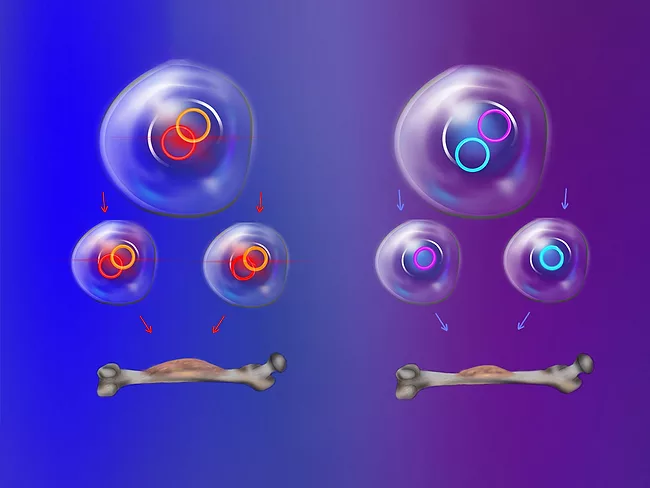
Illustration of ecDNA inheritance in cancer

Extrachromosomal DNA acts as joker for cancer cells

Nov. 13, 2024
By Mar de Miguel
Cancer therapies can eliminate specific tumors based on their genetic content. However, some cancer cells survive. How do they do it? Part of the answer lies in extrachromosomal DNA (ecDNA), an ace up the tumors’ sleeve to adapt and evade attack. Three simultaneous studies in the journal Nature lay all the cards on the table, revealing ecDNAs’ content, their origin, their inheritance, their influence in cancer, and a way to combat them.
Read More
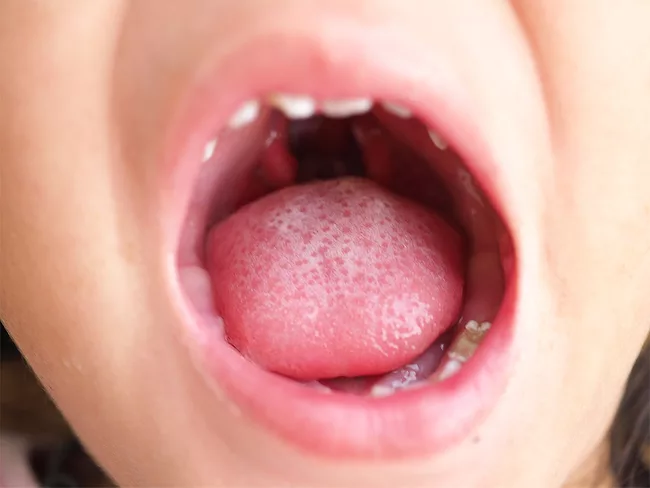
Mouth open wide showing cleft palate
Biomarkers

GRHL2, GRHL3 variants tied to orofacial clefting

Nov. 13, 2024
Orofacial clefting is a common birth defect that affects 1 in 700 newborns, and includes cleft lip, cleft palate and cleft lip and palate, with a strong genetic component, thus being highly heritable. Researchers have identified new gene variants tied to orofacial clefting.
Read More
Genetic/congenital

GTF2H1 de novo genetic variants tied to developmental delay

Nov. 13, 2024
At the annual meeting of the American Society for Human Genetics, scientists presented three new cases of Kabuki syndrome presented with developmental delay, autism and myopia as the common traits.
Read More
Illustration of ecDNA inheritance in cancer

Extrachromosomal DNA acts as joker for cancer cells

Nov. 12, 2024
By Mar de Miguel
Cancer therapies can eliminate specific tumors based on their genetic content. However, some cancer cells survive. How do they do it? Part of the answer lies in extrachromosomal DNA (ecDNA), an ace up the tumors’ sleeve to adapt and evade attack. Three simultaneous studies in the journal Nature lay all the cards on the table, revealing ecDNAs’ content, their origin, their inheritance, their influence in cancer, and a way to combat them.
Read More
Illustration highlighting the adrenal glands and kidneys
Biomarkers

CASZ1 found as possible monogenic cause of primary aldosteronism

Nov. 12, 2024
Primary aldosteronism (PA), caused by bilateral adrenal hyperplasia or aldosteronomas, is the leading cause of endocrine hypertension, with an estimated prevalence of 10%-20% in patients in tertiary hospitals.
Read More
DNA illustration
Genetic/congenital

New gene therapy and mouse model for Ogden syndrome

Nov. 12, 2024
Investigators from New York State Office for People with Developmental Disabilities (OPWDD) and affiliated organizations have reported the discovery and preclinical characterization of a gene therapy as well as a new animal model for Ogden syndrome.
Read More
Biomarkers

BIRC6 revealed as candidate gene for intellectual disability

Nov. 12, 2024
Complex genomic rearrangements (CGRs) involve large-scale genomic alterations with multiple breakpoints and are implicated in genetic diseases such as malformation syndromes, intellectual disability and neurodevelopmental disorders.
Read More
Biomarkers

Amplification of PRKN gene linked to fetal demise

Nov. 11, 2024
Previous research linked copy number variations involving the PRKN gene with multiple birth defects, including neurodevelopmental disorders.
Read More
Illustration of ecDNA inheritance in cancer
Cancer

Extrachromosomal DNA acts as joker for cancer cells

Nov. 11, 2024
By Mar de Miguel
Cancer therapies can eliminate specific tumors based on their genetic content. However, some cancer cells survive. How do they do it? Part of the answer lies in extrachromosomal DNA (ecDNA), an ace up the tumors’ sleeve to adapt and evade attack. Three simultaneous studies in the journal Nature lay all the cards on the table, revealing ecDNAs’ content, their origin, their inheritance, their influence in cancer, and a way to combat them.
Read More
Ocular

RNA-editing strategy to treat RHO-related retinitis pigmentosa

Nov. 7, 2024
Retinitis pigmentosa (RP) is the most common hereditary degenerative eye disease that leads to progressive vision loss, primarily caused by retinal degeneration.
Read More
Previous 1 2 … 14 15 16 17 18 19 20 21 22 … 40 41 Next

Popular Stories

  • Today's news in brief

    BioWorld
    BioWorld briefs for April 21, 2026.
  • Man holding raised arm with illustrated overlay of nerves

    Biohaven reports details on discovery of BHV-2100

    BioWorld Science
    Transient receptor potential melastatin 3 (TRPM3) is a calcium-permeable TRP channel that is highly expressed in somatosensory neurons, including nociceptors of...
  • Elderly woman holding illustration of brain with missing puzzle piece

    Meta-analysis: Anti-amyloid Alzheimer’s drugs not ‘clinically meaningful’

    BioWorld
    The ongoing controversy over the effectiveness of anti-amyloid drugs is about to get more heated, after a review of clinical trials showed statistically...
  • New GABA(B) receptor PAMs revealed in Addex Pharma patents

    BioWorld Science
    Addex Pharma SA has disclosed new GABA(B) receptor positive allosteric modulators (PAMs) potentially useful for the treatment of chronic cough, urinary...
  • MMP inhibitors divulged in Accure Therapeutics patent

    BioWorld Science
    Accure Therapeutics has reported new oligopeptide derivatives acting as matrix metalloproteinase-2 (MMP-2) and MMP-9 inhibitors. As such, they are described as...
  • BioWorld
    • Today's news
    • Analysis and data insight
    • Clinical
    • Data Snapshots
    • Deals and M&A
    • Financings
    • Medical technology
    • Newco news
    • Opinion
    • Regulatory
  • BioWorld Science
    • Today's news
    • Biomarkers
    • Cancer
    • Conferences
    • Endocrine/metabolic
    • Immune
    • Infection
    • Neurology/psychiatric
    • NME Digest
    • Patents
  • BioWorld Asia
    • Today's news
    • Analysis and data insight
    • Australia
    • China
    • Clinical
    • Deals and M&A
    • Financings
    • Newco news
    • Regulatory
    • Science
  • More
    • About
    • Advertise with BioWorld
    • Archives
    • Article reprints and permissions
    • Contact us
    • Cookie policy
    • Copyright notice
    • Data methodology
    • Infographics: Dynamic digital data analysis
    • Index insights
    • Podcasts
    • Privacy policy
    • Share your news with BioWorld
    • Staff
    • Terms of use
    • Topic alerts
Follow Us

Copyright ©2026. All Rights Reserved. Design, CMS, Hosting & Web Development :: ePublishing