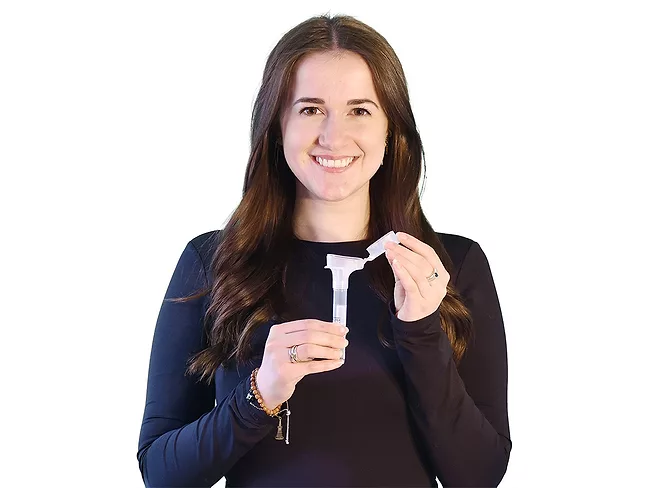
Ziwig SAS, which leads the race for a simple diagnostic for endometriosis, picked up the pace with a fast-track reimbursement decision in France for its Endotest, the first saliva-based diagnostic assay for endometriosis.
The Comma Collective Inc. raised $2 million in a seed round to support the launch of its secure period tracker and disease detection app, Sara, and further development of its products.
Curently the only available blood test to tell which women are at risk of postpartum depression (PPD) is the one that confirms their pregnancy – and a one in seven chance of developing the condition which can have long-term implications for both mother and child. Research out of the University of Virginia and Weill Cornell Medicine could soon change that by identifying biomarkers in the third trimester of pregnancy that indicate which women have the greatest risk of developing PPD.
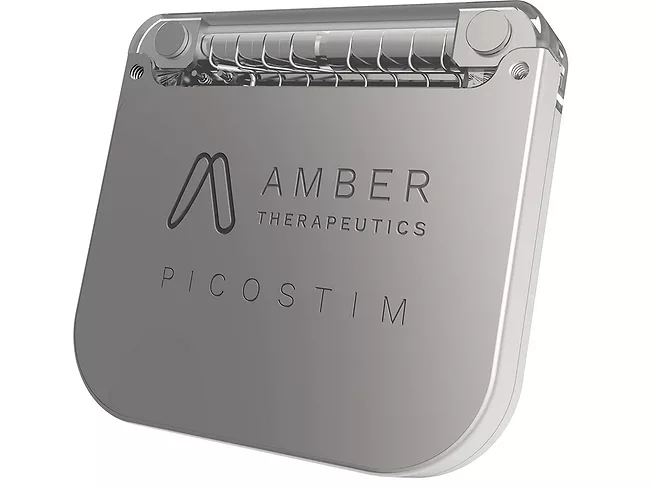
At least half of women experience urinary incontinence at some point in their lives but few discuss the condition with their physicians. In part, that’s because most women believe few effective treatments exist for urinary leakage – and until recently, they were right. Several advances in 2024, however, offer new hope.
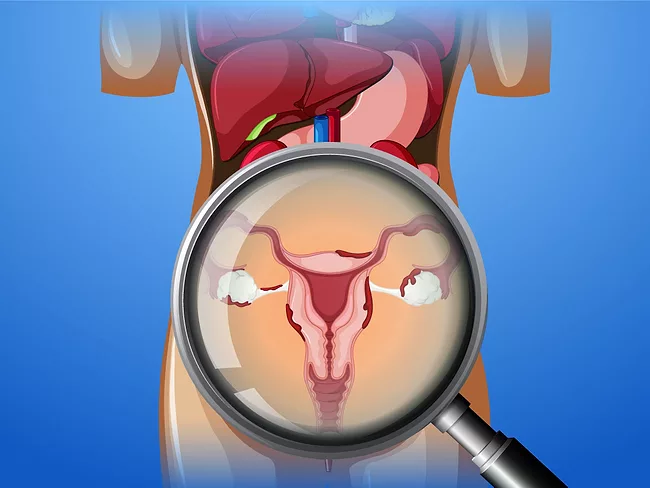
Women with endometriosis may soon be able to have a simple blood test to diagnose their disease thanks to a breakthrough by Proteomics International Ltd. that has developed a plasma protein biomarker panel that identifies all stages of endometriosis.
For more than a decade, HIV remained the only sexually transmitted infection (STI) with U.S. FDA approval of at-home sample collection, but a growing number of tests for sexually transmitted infections have received the regulatory greenlight for patients to swab themselves in the privacy of their own homes in recent years. With STIs reaching levels not seen in decades, regulators and physicians hope that the move will increase diagnostic rates and reduce disease spread by overcoming stigma and access barriers.
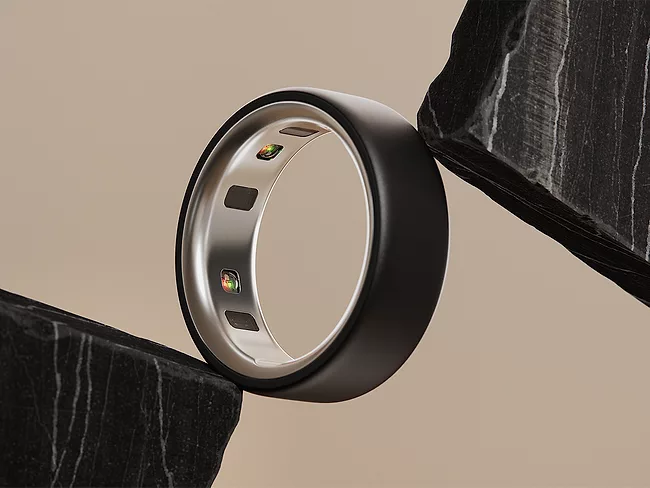
Dexcom Inc. put real money behind expanding its integration efforts, with a $75 million investment in the $200 million series D for Ōura Health Oy, the maker of the Ōura smart ring. Ōura and Dexcom also provided details on a strategic partnership that integrates data from Dexcom’s continuous glucose monitors with vital sign, sleep, stress, heart health and activity data from the Ōura ring.
A gene therapy based on an enhanced lipid nanoparticle (LNP) loaded with vascular endothelial growth factor (VEGF) mRNA could be developed for the treatment of preeclampsia, according to a study in mice in which it alleviated maternal hypertension until the end of gestation and improved fetal health. Preeclampsia is a disease that affects 3% to 5% of pregnant women, who suffer from hypertension and proteinuria, elevated levels of protein in the urine, during pregnancy.
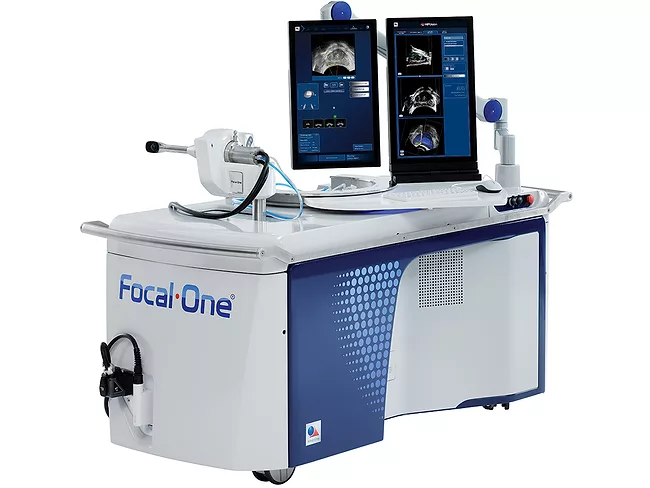
Edap TMS SA recently published data showing that its Focal One high intensity focused ultrasound technology is non-inferior to radical prostatectomy as a first-line treatment for localized prostate cancer. The company is also working towards gaining approval for the technology as a therapy for endometriosis.
Nua Surgical Ltd. secured €6.5 million ($6.9 million) in series A financing to support regulatory clearance in the U.S. and early commercialization of its Stericision C-section retractor. The device is a self-retaining surgical retractor designed to improve outcomes for mothers undergoing a caesarean section.
 RSS
RSS