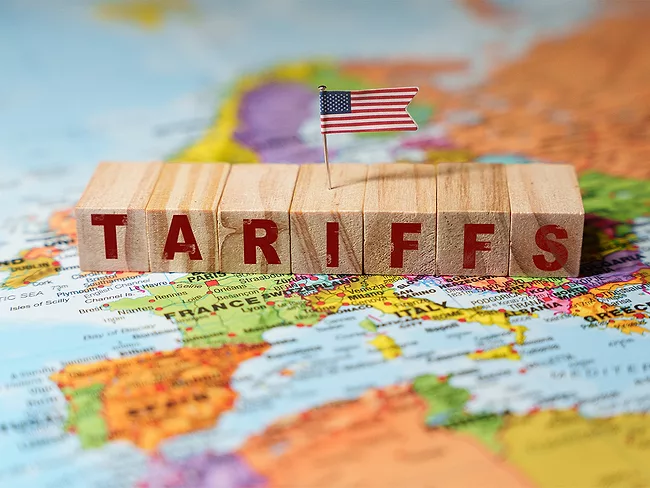
No matter what level of tariff the Trump administration ends up imposing on biopharmaceuticals across the world, drugs and their precursors originating in the EU will face no more than a 15% tariff when imported to the U.S., according to an Aug. 21 EU-U.S. joint statement regarding the trade framework agreement between the two trade partners.
For more than 30 years, the U.S. CDC’s Advisory Committee for Immunization Practices (ACIP) and the American Academy of Pediatrics (AAP) worked together to harmonize their evidence-based vaccine schedules. Not anymore.
Several cardiology societies in the U.S. have updated their guidelines for management of hypertension, which for the first time includes and endorsement of renal denervation (RDN). Two companies are poised to benefit from the news, including Medtronic plc with its Symplicity Spyral device and Recor Medical Inc., and its Paradise RDN system.
The amounts invested in third-party litigation funding (TPLF) are expected to increase more than three-fold in the coming years, and the U.S. Congress has finally taken note of the predicament. Both the House and the Senate have introduced bills to tackle the problems of TPLF.
Eli Lilly and Co. has fallen into line with U.S. President Donald Trump’s May 12 executive order on most-favored nation pricing, announcing it will put up drug prices in Europe in order to make them lower in the U.S. In a statement on Aug. 14, the company said it supports the Trump administration’s objective of more fairly sharing costs of “breakthrough medical research” across developed countries.
In his latest effort to incentivize domestic manufacturing of drugs and their key ingredients, U.S. President Donald Trump issued an executive order Aug. 13 to replenish the country’s nearly empty Strategic Active Pharmaceutical Ingredients Reserve (SAPIR), giving a preference to U.S.-produced APIs.
Billing it as a necessary reform to protect tax dollars from frivolous government spending, redundancy and waste, U.S. President Donald Trump issued a new executive order (EO) requiring his political appointees to sign off on grants and awards from agencies such as the NIH and to monitor those awards over time to ensure they’re being used properly.
Location, location, location. While location is as important in manufacturing as it is in buying a home, it could become even more so for drug companies when, and if, the global biopharma sector tariff U.S. President Donald Trump continues to tease becomes a reality. In the shadow of the impending tariff, the FDA is working on a draft framework, the two-phase FDA PreCheck, to make it faster and easier for biopharma companies to relocate their manufacturing to the U.S.
The U.S. Department of Health and Human Services has tapped Sean Keveney for the job of FDA chief counsel, but the recent history of the position muddies the waters when it comes to HHS oversight of FDA legal affairs.
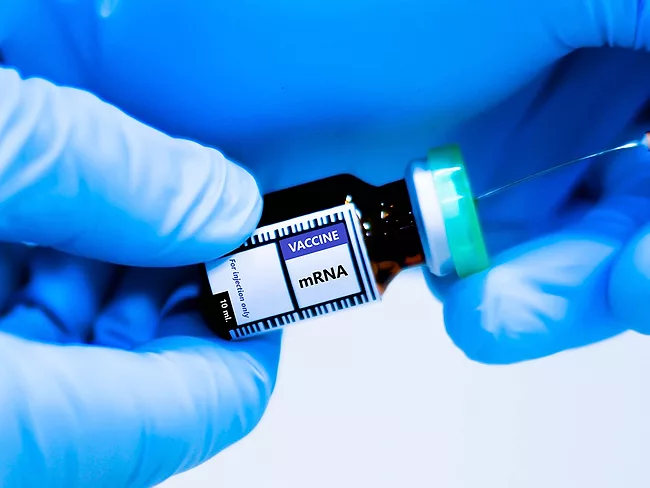
Cancel culture continues at the U.S. Department of Health and Human Services (HHS) as it observes National Immunization Awareness Month with another strike against vaccines. This time, a $500 million strike specifically targets 22 mRNA vaccine R&D programs at the Biomedical Advanced Research and Development Authority (BARDA), marking the beginning of the end of BARDA’s funding for mRNA vaccines.
 RSS
RSS