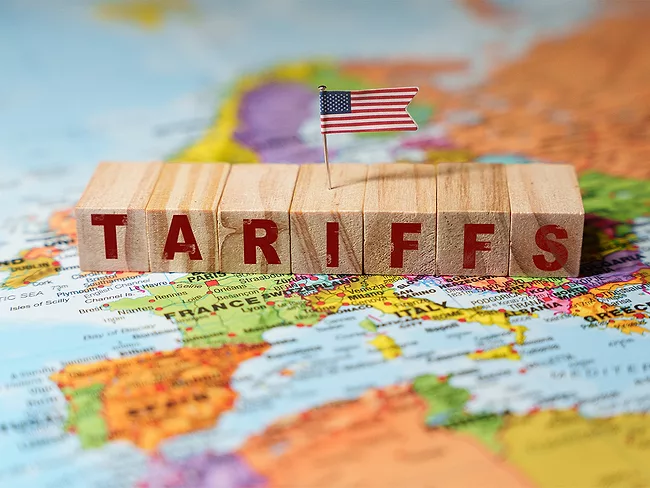
The Trump administration has launched an investigation into the national security effects of imports of medical equipment, devices, consumables and equipment, laying the groundwork for a potential increase in tariffs targeting the industry. A separate investigation into robotics and industrial machinery began the same day. Med-tech stocks dropped significantly in response to the news as investors fear increased tariffs on the sector. In April, the administration initiated a similar review of the pharmaceutical industry and in August threatened 200% tariffs on that sector.
The struggle to avoid a partial U.S. government shutdown at midnight Sept. 30 is getting a lot of attention, as the stakes increase every day of the political standoff. Meanwhile, Sept. 30 also could be the end of the 43-year-old Small Business Innovation Research (SBIR) program, which has been a funding boon for biotech and med-tech startups, if Congress can’t come together on a reauthorization bill.
Breaking with its long-held, oft-recited mantra that observational studies are great for generating hypotheses but not as evidence for approval, the U.S. FDA is initiating the approval of leucovorin calcium tablets for patients with cerebral folate deficiency, a neurological condition that affects folate transfer into the brain.
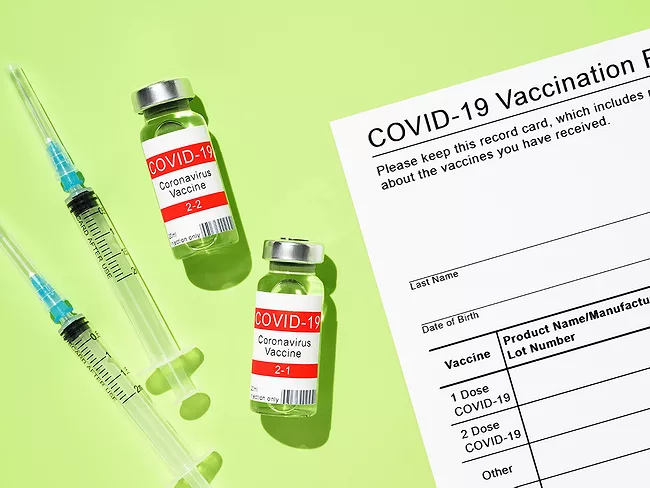
The second day’s meeting of the U.S. CDC’s Advisory Committee for Immunization Practices (ACIP) took up guidelines related to COVID-19 vaccines, of which an outspoken skeptic is Health and Human Services Secretary Robert Kennedy – who in June fired all 17 members of ACIP and replaced them with names more to his liking.
The second day’s meeting of the U.S. CDC’s Advisory Committee for Immunization Practices (ACIP) took up guidelines related to COVID-19 vaccines, of which an outspoken skeptic is Health and Human Services Secretary Robert Kennedy – who in June fired all 17 members of ACIP and replaced them with names more to his liking.
Despite some expectations that the U.S. CDC’s Advisory Committee for Immunization Practices (ACIP) would dramatically change the childhood vaccine schedule for hepatitis B, the committee is poised to vote Sept. 19 on a much smaller change that would move the current birth dose to 1 month for infants born to mothers who test negative for hepatitis B.
The American Academy of Pediatrics (AAP) and a few other medical professional groups were no-shows at the Sept. 18 meeting of the U.S. CDC’s Advisory Committee for Immunization Practices. The absence of the liaison groups was noted, especially that of the AAP. In opening the two-day meeting, ACIP Chair Martin Kulldorff said he lamented that the AAP has ended its association with the committee.
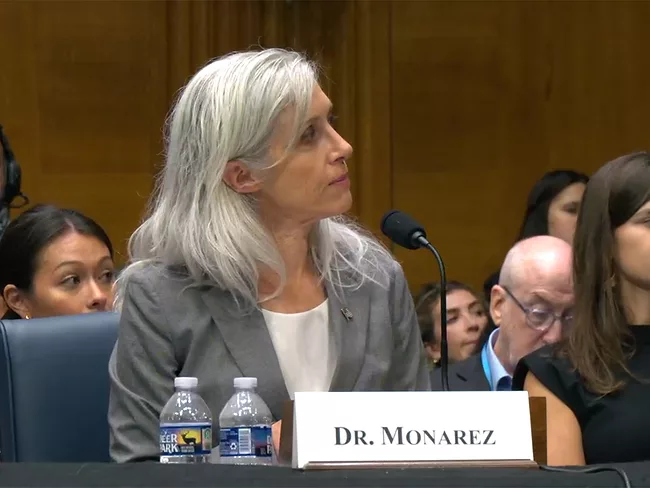
For enquiring minds that want to know, Susan Monarez laid out the details Sept. 17 of how she was fired as CDC director for the Senate Health, Education, Labor and Pensions Committee.
The Sept. 17 U.S. Senate Health, Education, Labor and Pensions Committee hearing on the CDC is throwing even more shade on the upcoming meeting of the agency’s reconstituted Advisory Committee for Immunization Practices (ACIP), which is expected to recommend changes to the childhood vaccine schedule.
China was already making strides to lead the biotechnology industry in many key areas such as cell therapies and AI, but the chaotic nature of the Trump administration and the turmoil in the U.S. has catapulted China’s status as a more “dependable” partner, presenters said during the Bio Hong Kong conference, Sept. 10 to 13.
 RSS
RSS