Nature Medicine has retracted a widely publicized Chinese lung cancer study that suggested administering immunotherapy before 3 p.m. could dramatically improve survival in a decision that comes amid heightened scrutiny of research integrity and data transparency in high-impact biomedical journals.
The field of BCI is continually evolving; as such, companies are increasingly highlighting the potential of their technologies to transform care. For advanced players, with fully developed BCI systems, the sector is approaching an inflection point as the technology transitions from early feasibility studies into pivotal trials. The focus now for many is on generating the long-term safety, efficacy and real-world usability data needed to support regulatory approval and broader clinical adoption.
Corxel Pharmaceuticals Ltd.’s oral small-molecule GLP-1 receptor agonist, CX-11, met the primary endpoints in a phase II trial evaluating the candidate in obese and overweight patients in the U.S., according to top-line results.
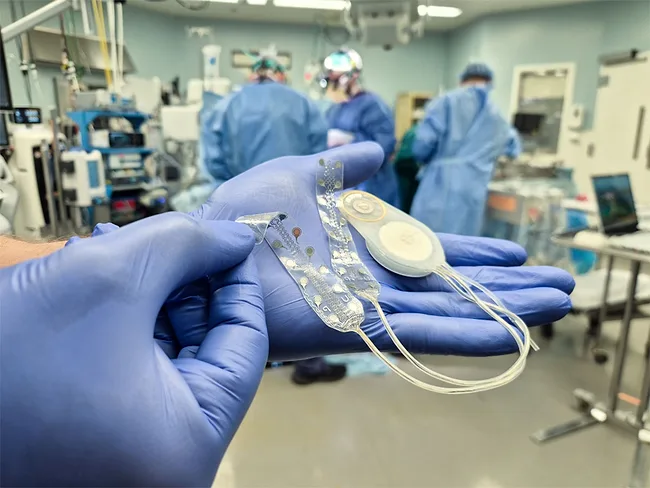
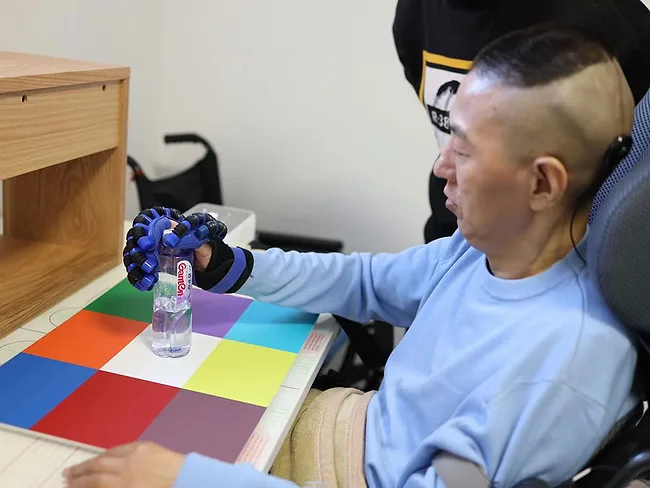
Decades of research are helping unravel the “black box” of the brain. The second article in BioWorld’s series on the Brain-Computer Interface (BCI) field looks at how simultaneous breakthroughs in AI technology are pushing the BCI field from a theoretical concept to a potential real-world, clinical option for individuals, particularly in China where the National Medical Products Administration greenlighted the world’s first invasive BCI system – Neuracle Medical Technology Co. Ltd.’s Neural Electronic Opportunity – for clinical use in March 2026.
Missing statistical significance on the primary overall survival phase III endpoint with antibody-drug conjugate (ADC) sigvotatug vedotin compared with docetaxel in non-small-cell lung cancer (NSCLC), Pfizer Inc., which gained the candidate through its $43 billion buyout of Seagen Inc. in 2023, is forging ahead based on subgroup signals, phase I data and an ongoing phase III Keytruda combination effort currently underway.
Neither of Cynata Therapeutics Ltd.’s pivotal trials for its Cymerus stem cell platform met the primary endpoints, with no statistically significant differences between active and control groups on primary or key secondary efficacy measures, CEO Kilian Kelly told investors during a June 22 conference call.
Definium Therapeutics Inc. CEO Rob Barrow hailed a “profound change” in the treatment of major depressive disorder (MDD) as his firm rolled out positive top-line results from Emerge, the first randomized, double-blind, placebo-controlled phase III study evaluating a single dose of DT-120 (lysergide, otherwise known as LSD), given to adults as an orally disintegrating tablet 100 µg.
J-Pharma Co. Ltd. is progressing the most clinically advanced L-type amino acid transport 1 (LAT1) inhibitor, nanvuranlat (JPH‑203), in a global phase III Beacon-BTC study of biliary tract cancer following U.S. FDA alignment.
Three years on from the rebuff of a U.S. FDA complete response letter, F2G Ltd. now has the data needed to resubmit the NDA for the first novel antifungal drug in more than two decades. Along with partner Shionogi & Co. Ltd., F2G has released positive phase III results for orally administered olorofim, showing noninferiority against I.V.-administered Ambisome (amphotericin B, Gilead Sciences Inc.) in patients with refractory aspergillosis infections, or who were unsuitable for mainstay azole therapy.
HMNC Brain Health GmbH has raised $50 million in the first close of a series B, enabling the company to prepare the way for phase III trials of its two lead programs.
 RSS
RSS