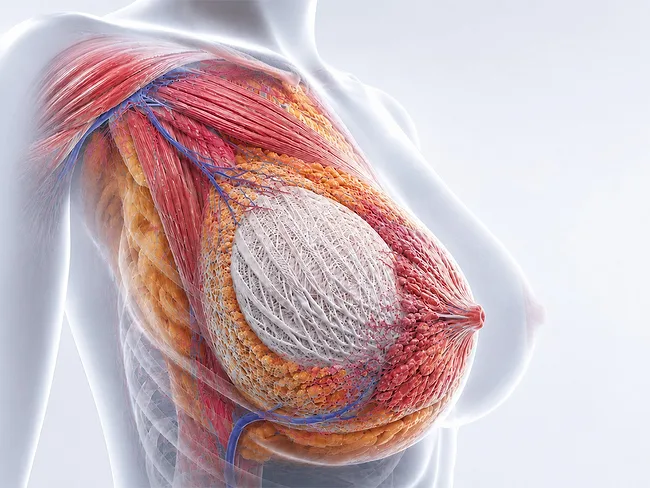
Regenerative medicine company Bellaseno GmbH is accelerating development of its absorbable breast scaffold, with a pivotal Australian trial recruiting faster than expected and a newly announced licensing deal with Johnson & Johnson subsidiary Mentor Worldwide LLC positioning the technology for global commercialization.
To Ivan Oransky, China’s paper-mill problem is best understood as an incentives story. “This is literally organized crime,” the Retraction Watch co-founder told BioWorld. “Follow the money. When there’s an opportunity to make money, they will find it, and if your whole career is based on how often you publish and what journals you publish in and how often you’re cited, it’s not surprising that leads to bad behavior.”
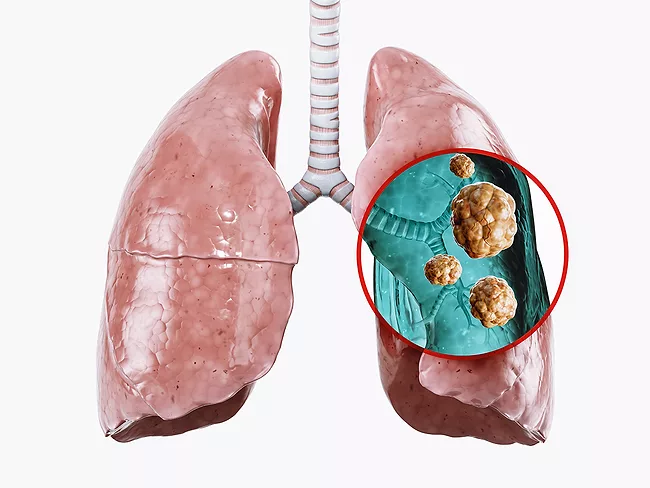
Roche Holding AG’s Genentech unit achieved superior phase III results with its KRAS G12C inhibitor divarasib over approved therapies in previously treated non-small-cell lung (NSCLC) cancer patients.
The House Select Committee on China launched an investigation into clinical trials involving U.S. companies that are conducted at Chinese military hospitals and in Xinjiang, China.
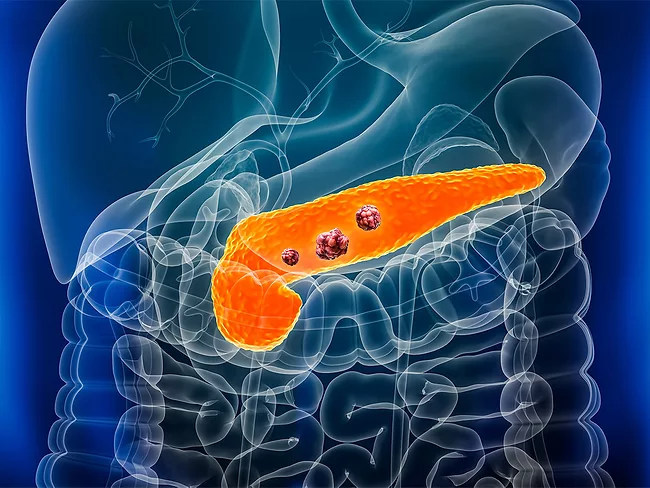
The data mill continues to churn out encouraging results in pancreatic ductal adenocarcinoma (PDAC), with shares of Ramat Gan, Israel-based Can-Fite Biopharma Ltd. benefiting from the latest, phase IIa dispatch that pushed shares (NYSE:CANF) up 58%, or $1.73, to close July 1 at $4.70.
Top-line phase III Palisade-4 results of Vistagen Therapeutics Inc.’s fasedienol showed the intranasal pherine candidate failed to hit primary and secondary endpoints in the acute treatment of social anxiety disorder (SAD), issuing a near death knell as company’s shares (NASDAQ:VTGN) plunged more than 70% to close at 22 cents on June 30.
Wall Street breathed easier, and shares of Abivax SA found relief as further phase III data from the Abtect maintenance trial were disclosed with obefazimod in ulcerative colitis (UC).
AI, data and wearable technologies are transforming health care, giving patients greater access to information about their health and enabling faster, more responsive clinical trials, Anthony Costello, CEO of Medidata Solutions Inc., told BioWorld. As more people use wearable devices to monitor their health, they are increasingly able to react to those insights, while pharmaceutical companies are gaining a clearer picture how patients respond to treatments during clinical trials.
Deep brain stimulation (DBS) through implanted electrodes has enabled fundamentally new ways of treating certain disorders. More than 100,000 severely ill patients have received an implant to treat Parkinson’s disease, which is DBS’ greatest success story.
Samsung Bioepis Co. Ltd. announced positive top-line phase I and phase III data for SB-27, a proposed biosimilar to Merck & Co. Inc.’s blockbuster immunotherapy Keytruda (pembrolizumab). Preliminary analysis of parallel-run global phase I and phase III studies demonstrated SB-27’s clinical and pharmacokinetic (PK) equivalence to the reference product, according to a company announcement.
 RSS
RSS