Biopharma dealmaking surged in the first quarter of 2025, totaling $66.86 billion, well ahead of the $44.16 billion recorded in the same period last year. March contributed $29.48 billion to the total, a 237% increase from February’s $8.76 billion and closely matching January’s $28.63 billion.
Two days after pharma companies sounded an alarm that their investments were headed out of Europe, Novartis AG has announced plans to increase investment in the U.S. by $23 billion, bringing the total it invests over the next five years to nearly $50 billion.
Biopharma companies brought in $13.08 billion in financing during the first quarter (Q1) of 2025, marking a significant drop from every quarter of 2024. The number of financings also declined, with 239 transactions completed in Q1 this year, down from a quarterly average of approximately 299 deals in 2024.
With a promising IL-36 inhibitor for atopic dermatitis (AD, or eczema) at the phase II stage, Turn Therapeutics Inc. has gained $75 million in post-public commitments and meanwhile is pursuing a grassroots strategy to keep the coffers in balance.
In a roadmap to change animal testing requirements for INDs, the U.S. FDA said its new approach will improve drug safety, hasten the evaluation process, and lower costs for companies and patients. It’s another step in a process of changing rules put in place decades ago.
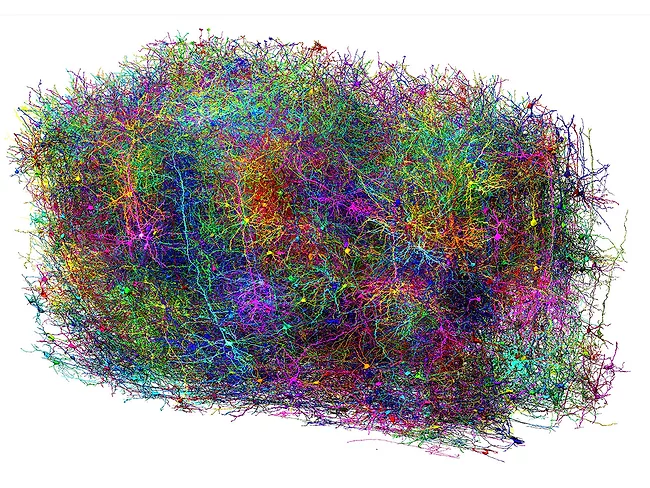
Scientists from the Machine Intelligence from Cortical Networks (MICRONS) consortium have published the microconnectome of a cubic millimeter of the mouse brain. This is the most complete map of this organ to date at nanometer resolution for a mammal. It not only contains the structure and connections of each and every cell in that volume of tissue, but is also linked to the neuronal activity of that portion of the CNS, linking anatomy and function in the same cells.
The Trump administration applied a 90-day hold on nation-specific tariffs, but a group of 26 House Democrats urged the administration to think carefully before acting on a threat to impose tariffs on pharmaceuticals.
Regulatory snapshots, including global drug submissions and approvals, clinical trial approvals and other regulatory decisions and designations: BMS, GC Biopharma, Idorsia, Novavax.

 RSS
RSS